Persistent Headaches: Know the Warning Signs of Serious Conditions | Quick Digest
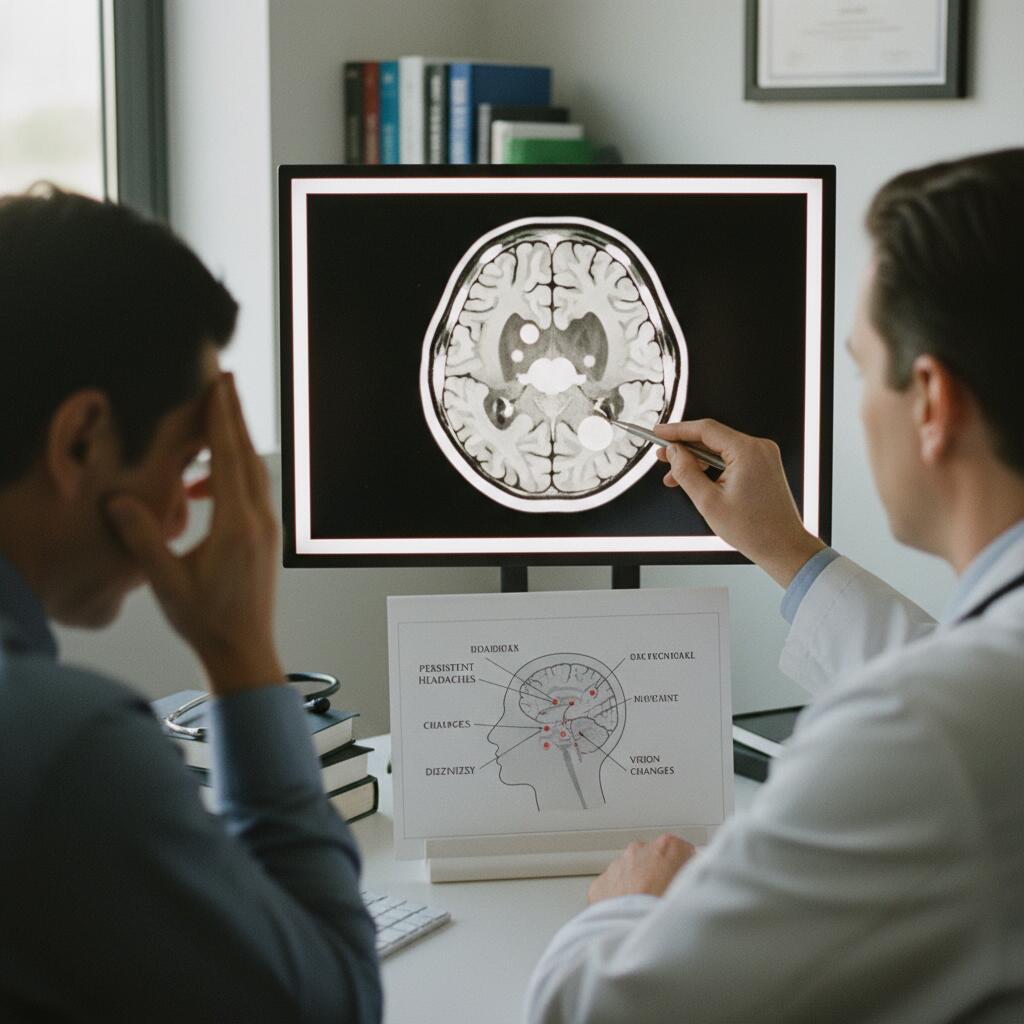
Persistent headaches, especially those worsening over time or accompanied by other neurological symptoms, should never be ignored as they could signal serious underlying conditions, including brain tumours. Medical experts advise seeking timely consultation for 'red flag' headache symptoms. Early diagnosis significantly improves treatment outcomes.
Persistent headaches, especially if worsening, require medical attention.
Headaches often signal serious conditions like brain tumours.
Red flag symptoms include morning headaches, vomiting, vision changes, seizures.
Early diagnosis and treatment are crucial for better neurological outcomes.
Most headaches are benign, but new or unusual patterns need evaluation.
Persistent and long-lasting headaches should always be taken seriously, as they can sometimes indicate grave underlying health issues, including brain tumours. While many headaches are benign and commonly linked to stress, dehydration, or migraines, certain 'red flag' characteristics necessitate prompt medical evaluation. Doctors, such as Dr. Aditya Gupta from Artemis Hospital, Gurugram, emphasize that headaches that do not respond to typical medications, become more severe in the early morning, worsen progressively, or are accompanied by other neurological symptoms like vomiting, blurred vision, seizures, limb weakness, balance problems, or changes in speech and behaviour, warrant immediate attention.
These types of headaches often stem from increased intracranial pressure caused by a tumour pressing on brain tissues or blocking cerebrospinal fluid flow. Although headaches are among the most common symptoms reported by brain tumour patients, they are rarely the sole indicator. Other warning signs include sudden severe pain (thunderclap headache), fever with neck stiffness, and new headaches in individuals over 50. It is critical to distinguish these from common headaches to avoid delays in diagnosis. While not all persistent headaches signify a brain tumour, timely clinical assessment, often involving neurological examinations and imaging tests like MRI or CT scans, is vital to either rule out serious conditions or initiate early and effective treatment, thereby significantly improving patient outcomes. Public awareness and proactive health-seeking behaviour are paramount in managing neurological diseases.
Read the full story on Quick Digest