Israel-Hezbollah conflict: 11 killed in Lebanese town strikes
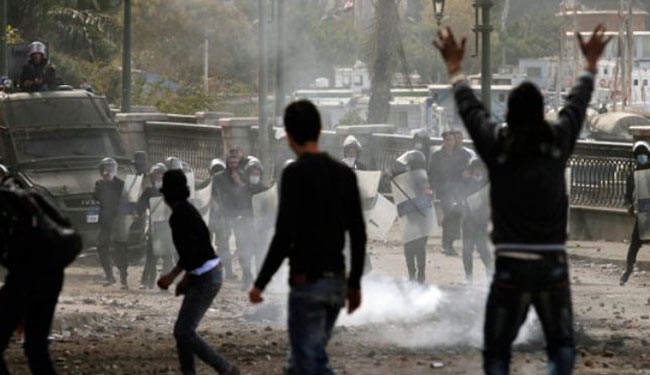
Israeli airstrikes on the southern Lebanese town of Kfar Rumman have resulted in the deaths of at least 11 people, including children and medics. This escalation follows a period of intensified bombardment despite a June ceasefire, with strikes occurring without prior evacuation warnings. Israel states these actions are in retaliation for Hezbollah drone attacks.
Key Highlights
- Israeli airstrikes killed at least 11 in Kfar Rumman, Lebanon.
- Children and medics were among the victims of the recent attacks.
- Strikes occurred despite a June ceasefire between Israel and Hezbollah.
- Israel claims retaliation for Hezbollah drone attacks.
- Concerns rise over escalation amid ongoing conflict.
A series of Israeli airstrikes on the southern Lebanese town of Kfar Rumman on Monday morning (September 7, 2026) resulted in the deaths of at least 11 people, including two children and two medics, according to Lebanon's state news agency. This escalation in violence comes despite a ceasefire agreement brokered in June between Israel and Hezbollah, which was intended to halt hostilities. Reports indicate that the strikes, which included an attack on a residential building and a separate drone strike on a vehicle, occurred without an online evacuation warning from the Israeli military.
Lebanon's National News Agency reported that nine people were killed in a post-midnight strike on a three-storey residential building, while the two medics died when a separate drone strike hit their vehicle. The Lebanese Health Ministry's figures varied slightly, with reports suggesting that one strike on a building killed eight people, including a child and two women, and wounded eleven, including four children and two women. The Israeli military stated that these actions were in retaliation for drone attacks launched by Hezbollah on its troops in occupied Lebanese territories. However, the Israeli military did not immediately respond to queries regarding their awareness of the presence of civilians, including children and medics, at the strike locations and the absence of evacuation warnings. A spokesperson for the Israeli military did issue a separate evacuation warning later for areas around a building in another town where they intended to strike Hezbollah facilities.
This latest exchange of fire has raised concerns about a potential escalation of the conflict. Lebanese President Joseph Aoun described the attacks as a "dangerous escalation" that could undermine the U.S.-brokered ceasefire aimed at resolving the conflict between Israel and Hezbollah. The situation remains tense, with Israel having intensified its bombardment of southern Lebanon in recent days.
Background to the current conflict indicates that since March 2, 2026, when Hezbollah launched rockets at Israel following U.S. and Israeli strikes on Iran, Israel has conducted a massive air and ground offensive on Lebanon. Lebanese citizens have suffered significantly, with over 4,300 deaths reported since the offensive began. Israel has maintained a military presence in occupied areas of southern Lebanon, continuing to raze villages within a self-declared security zone and carrying out strikes both within and north of this zone, often without evacuation warnings.
Previous incidents of significant casualties have also been reported. On August 15, 2026, Israeli strikes on the southern Lebanese towns of Ansar and Deir al-Zahrani resulted in 11 deaths, including three children, making it one of the deadliest attacks since the June truce. In that instance, Israel's military claimed to have targeted Hezbollah infrastructure, while Lebanese officials condemned the strikes, stating that civilians, including children and women, were killed and were not military targets. The conflict's roots can be traced back to the broader regional tensions, particularly following U.S. and Israeli actions against Iran, which then drew Lebanon into the conflict through Hezbollah's retaliatory actions.
The ongoing cycle of violence highlights the fragility of the ceasefire and the persistent threat of escalation in the region. International efforts to broker peace and stability continue, but the immediate impact on civilian populations in southern Lebanon remains severe, underscoring the urgent need for de-escalation and adherence to international humanitarian law. The lack of evacuation warnings before strikes raises serious questions about the protection of civilians in the conflict zone.
Frequently Asked Questions
What happened in Kfar Rumman, Lebanon?
Israeli airstrikes targeted the southern Lebanese town of Kfar Rumman, resulting in the deaths of at least 11 people, including children and medics.
Why did Israel launch these strikes?
Israel stated that the strikes were in retaliation for drone attacks launched by Hezbollah on its troops.
Was there a ceasefire in place?
Yes, a ceasefire between Israel and Hezbollah was brokered in June, but concerns are rising about its violation due to recent intensified bombardments.