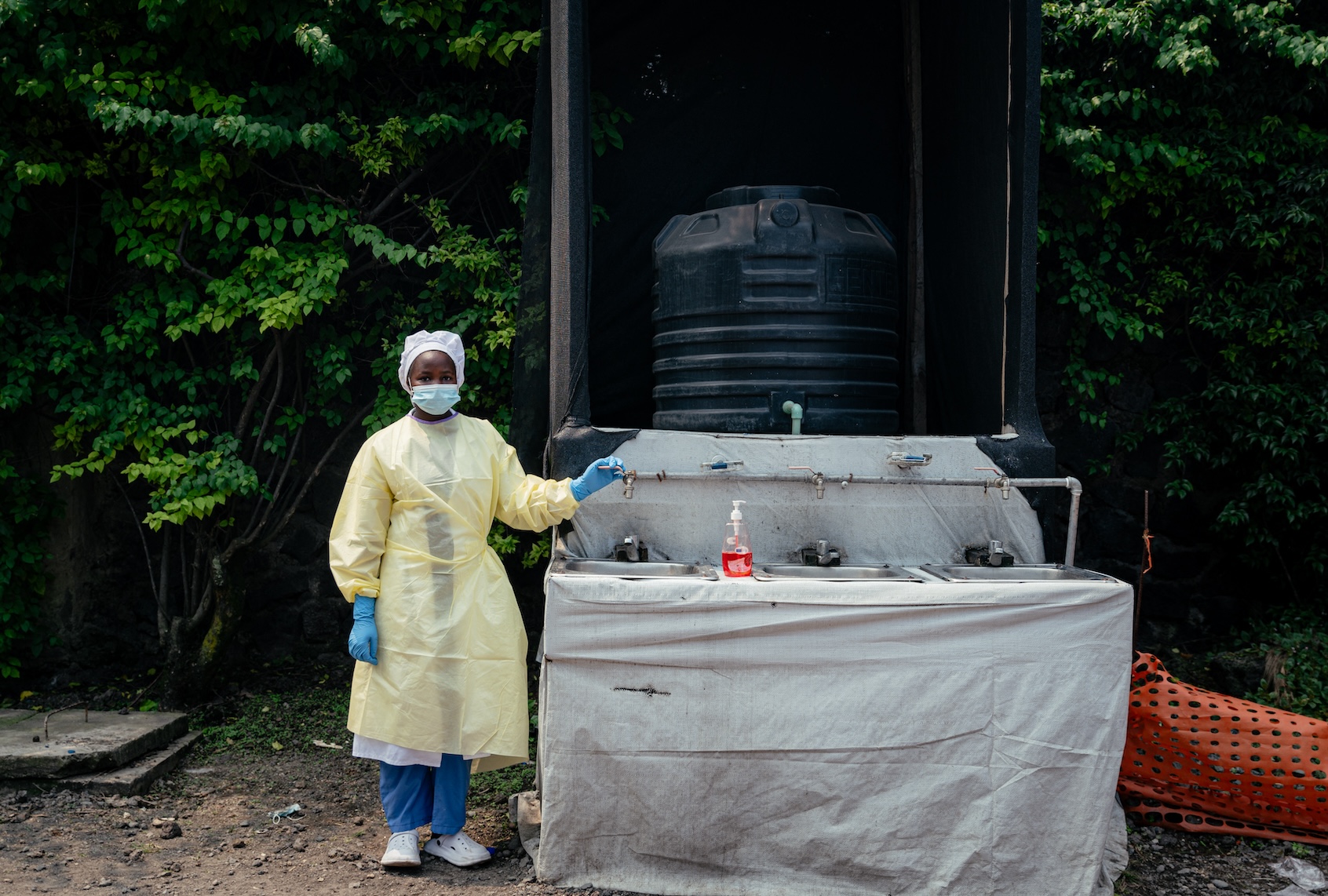
Ebola Outbreak in Central Africa: India Bolsters Surveillance Amid Global Health Emergency
India has significantly ramped up nationwide surveillance and preparedness measures following the World Health Organization's declaration of a Public Health Emergency of International Concern due to a deadly Ebola outbreak in the Democratic Republic of Congo and Uganda. While no cases have been reported in India, authorities are enhancing screening at entry points to prevent the rare Bundibugyo strain's entry.
Key Highlights
- Deadly Bundibugyo Ebola outbreak declared global emergency by WHO.
- Outbreak centered in DRC and Uganda with over 500 suspected cases.
- No approved vaccine or treatment currently exists for Bundibugyo strain.
- India intensifies surveillance, screening at airports and seaports.
- Indian Health Ministry confirms no Ebola cases in the country yet.
- Global risk assessed as low, but high at regional levels in Africa.
A new and concerning outbreak of Ebola virus disease, caused by the rare Bundibugyo strain, has prompted the World Health Organization (WHO) to declare it a Public Health Emergency of International Concern (PHEIC) on May 16, 2026. This decision was made amidst rapidly increasing cases and deaths in the Democratic Republic of Congo (DRC) and Uganda, with concerns about cross-border spread and the overall scale of the epidemic. As of May 19-20, 2026, health officials reported almost 600 suspected cases and more than 130 suspected deaths in the affected regions. This marks the 17th Ebola outbreak in the DRC since 1976 and occurs just five months after the end of a previous outbreak.
The Bundibugyo strain of the Ebola virus is particularly challenging as there are currently no approved vaccines or specific treatments available for it, unlike the more common Zaire ebolavirus. Experts indicate that the development and availability of a specific vaccine for this strain could take an estimated six to nine months. The outbreak is unfolding in a complex humanitarian crisis area in eastern DRC, plagued by insecurity, population displacement, and conflict, which severely hampers detection, contact tracing, and public health response efforts.
In response to the escalating situation, India has proactively strengthened its public health surveillance system and preparedness measures nationwide. The Union Health Ministry has confirmed that no Ebola cases have been detected in India so far, and officials have urged the public not to panic. This robust response is a precautionary step to prevent any potential importation of the virus into the country. High-level review meetings, chaired by Union Health Secretary Punya Salila Srivastava, have been held with health secretaries of all states and Union Territories to assess and enhance preparedness and response measures.
Detailed Standard Operating Procedures (SOPs) covering pre-arrival and post-arrival screening, quarantine protocols, case management, referral systems, and laboratory testing have been shared with all states and UTs. Enhanced monitoring has been introduced at airports, seaports, and other key entry points to screen international travelers from affected regions. The National Centre for Disease Control (NCDC) is closely monitoring developments, and India's past experience in handling high-risk infectious disease threats, including the 2014 Ebola outbreak in West Africa, has informed its current robust preparedness strategy.
While the WHO assesses the risk of global transmission as low, the threat remains high at national and regional levels within the affected African countries due to intense cross-border movement, mining-related mobility, and weak infection prevention and control measures. Indian health experts emphasize that Ebola does not spread as easily as respiratory viruses like COVID-19, as it requires direct contact with infected body fluids. However, they stress the critical importance of early detection, strict screening of international travelers, and rapid isolation of suspected cases to prevent the virus from entering the country. All concerned ministries and departments in India have been sensitized and are coordinating with the Health Ministry on preventive and surveillance measures, reinforcing the government's commitment to swiftly respond to any emerging situation.
Frequently Asked Questions
What is the current status of the Ebola outbreak in Central Africa?
As of May 2026, a significant Ebola outbreak caused by the Bundibugyo strain is ongoing in the Democratic Republic of Congo (DRC) and Uganda, with almost 600 suspected cases and over 130 deaths reported. The World Health Organization (WHO) declared it a Public Health Emergency of International Concern (PHEIC) on May 16, 2026, due to its rapid spread and regional risks.
Are there any approved vaccines or treatments for the Bundibugyo strain of Ebola?
Currently, there are no approved vaccines or specific treatments available for the Bundibugyo strain of the Ebola virus. While vaccines exist for other Ebola strains (like Zaire ebolavirus), a specific vaccine for Bundibugyo is still in development and could take six to nine months to become available.
Has India reported any Ebola cases?
No, India has not reported any confirmed cases of Ebola virus disease. However, the Indian government has initiated comprehensive precautionary measures, including heightened surveillance and screening at international entry points, to prevent the virus from entering the country.
How is Ebola transmitted and what are its symptoms?
Ebola is transmitted through direct contact with the blood, body fluids, or tissues of infected people or animals. It does not spread through the air like respiratory viruses. Symptoms can appear suddenly and include fever, fatigue, malaise, muscle pain, headache, sore throat, followed by vomiting, diarrhea, abdominal pain, rash, and impaired kidney and liver functions.
What measures is India taking to prevent the spread of Ebola?
India's Union Health Ministry has implemented enhanced nationwide disease surveillance and hospital preparedness. This includes intensifying screening at airports and seaports, holding high-level review meetings with states, and circulating detailed Standard Operating Procedures (SOPs) for screening, quarantine, case management, and laboratory testing.