West Bengal launches free HPV vaccination drive for adolescent girls
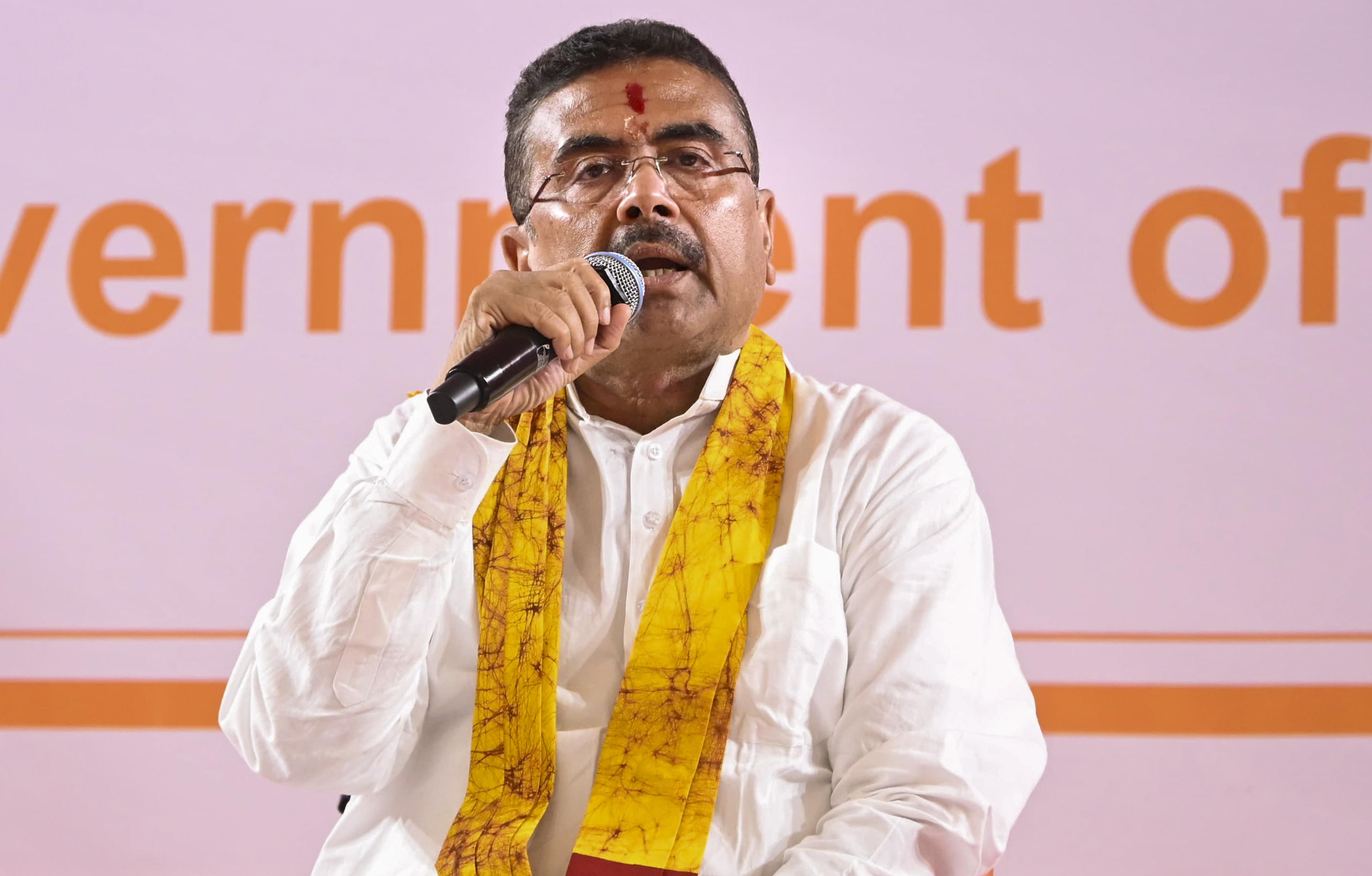
West Bengal Chief Minister Suvendu Adhikari launched a statewide HPV vaccination campaign targeting over 7.65 lakh adolescent girls aged 14 years to combat cervical cancer. This initiative aligns with India's national HPV vaccination program, which began earlier this year, aiming to reduce the incidence of cervical cancer across the country.
Key Highlights
- West Bengal CM launched statewide HPV vaccination drive.
- Campaign targets over 7.65 lakh adolescent girls.
- Focus is on preventing cervical cancer.
- Vaccine administered free of cost.
- Aligns with India's national vaccination program.
West Bengal Chief Minister Suvendu Adhikari has launched a significant statewide initiative to combat cervical cancer by initiating a free Human Papillomavirus (HPV) vaccination drive for adolescent girls. The campaign, which commenced on May 30, 2026, aims to administer the HPV vaccine to approximately 7.65 lakh girls across the state who are aged 14 years. This program is a crucial step in West Bengal's public health efforts, directly contributing to the national goal of eliminating cervical cancer as a public health threat. The vaccine being administered is the quadrivalent Gardasil-4 vaccine, provided free of cost at designated government health facilities. These include medical colleges, district hospitals, sub-divisional hospitals, state general hospitals, and block primary health centers. The initiative is a single-dose regimen for girls who have completed 14 years but are yet to turn 15, aligning with recent global and national recommendations for HPV vaccination. The launch of this drive in West Bengal follows the nationwide rollout of the HPV vaccination program in India, which commenced on February 28, 2026. The national campaign, spearheaded by Prime Minister Narendra Modi, aims to vaccinate approximately 1.15 to 1.2 crore girls aged 14 years annually across all states and union territories. India faces a considerable burden of cervical cancer, being home to a significant percentage of global cases and deaths. Cervical cancer is the second most common cancer among women in India, with an estimated 127,526 new cases and 79,906 deaths recorded in 2022 [9, 16]. The HPV vaccine is a critical tool in preventing this disease, as persistent infection with high-risk HPV types, particularly HPV 16 and 18, accounts for a large majority of cervical cancer cases [9, 19]. The World Health Organization (WHO) has set a global strategy to eliminate cervical cancer by 2030, emphasizing vaccination of 90% of girls by age 15, screening 70% of women, and ensuring treatment for precancerous and cancerous conditions [9]. India's national program, by adopting a single-dose strategy for the Gardasil-4 vaccine, aims for wider reach and efficiency, a move supported by global evidence suggesting comparable protection to multi-dose schedules [12]. The choice of Gardasil-4 is significant as it protects against HPV types 16 and 18 (responsible for most cervical cancers) and types 6 and 11 (responsible for genital warts) [4, 19, 24]. The West Bengal government has ensured the availability of sufficient vaccine doses, with reports indicating that the Union Health Minister provided over 7.72 lakh doses for the state's campaign [24]. The vaccination is voluntary, and parental or guardian consent is mandatory, with mechanisms for digital consent registration on the U-WIN platform and provision for hard copies in areas without internet connectivity [25]. The initiative is supported by a network of 881 designated government health facilities across West Bengal [3, 5, 7, 21, 25, 26]. The state government also announced the establishment of a control room to monitor healthcare facilities and address patient grievances, alongside other health initiatives like integrating Swasthya Sathi beneficiaries into the Ayushman Bharat scheme [6]. The United News of India (UNI), the source of the original article, is a well-established Indian news agency with a long history of providing news services in multiple languages [30, 31, 32, 33]. While the agency has faced financial challenges in recent years [34], it remains a significant player in the Indian news landscape. The credibility of the information is high, as multiple reputable news outlets, including The Hindu, The Indian Express, and The Economic Times, have reported on this event with consistent details [3, 5, 22]. The news category is primarily 'India' and 'Health,' with a focus on 'Public Health' and 'Disease Prevention.' The story is specific to India. The date of publication for this news is May 30, 2026. The overall importance score for this story is 7, given its significant public health implications for a major national health challenge like cervical cancer. The urgency is high due to the proactive public health measure to prevent a widespread disease. The content is factual news reporting.
Frequently Asked Questions
What is the HPV vaccine and why is it important?
The HPV (Human Papillomavirus) vaccine is crucial for preventing cervical cancer. Persistent infection with certain high-risk HPV types, particularly HPV 16 and 18, causes most cervical cancers. The vaccine helps protect against these infections, significantly reducing the risk of developing the disease.
Who is eligible for the free HPV vaccination in West Bengal?
The free HPV vaccination in West Bengal targets adolescent girls who have completed 14 years of age but are yet to turn 15. This aligns with the national program's focus on 14-year-old girls.
Is the HPV vaccination in West Bengal voluntary?
Yes, the HPV vaccination is voluntary. Parental or guardian consent is mandatory before the vaccine can be administered to an adolescent girl.