South-East Asia Marks 15 Years Since Last Wild Polio Case | Quick Digest
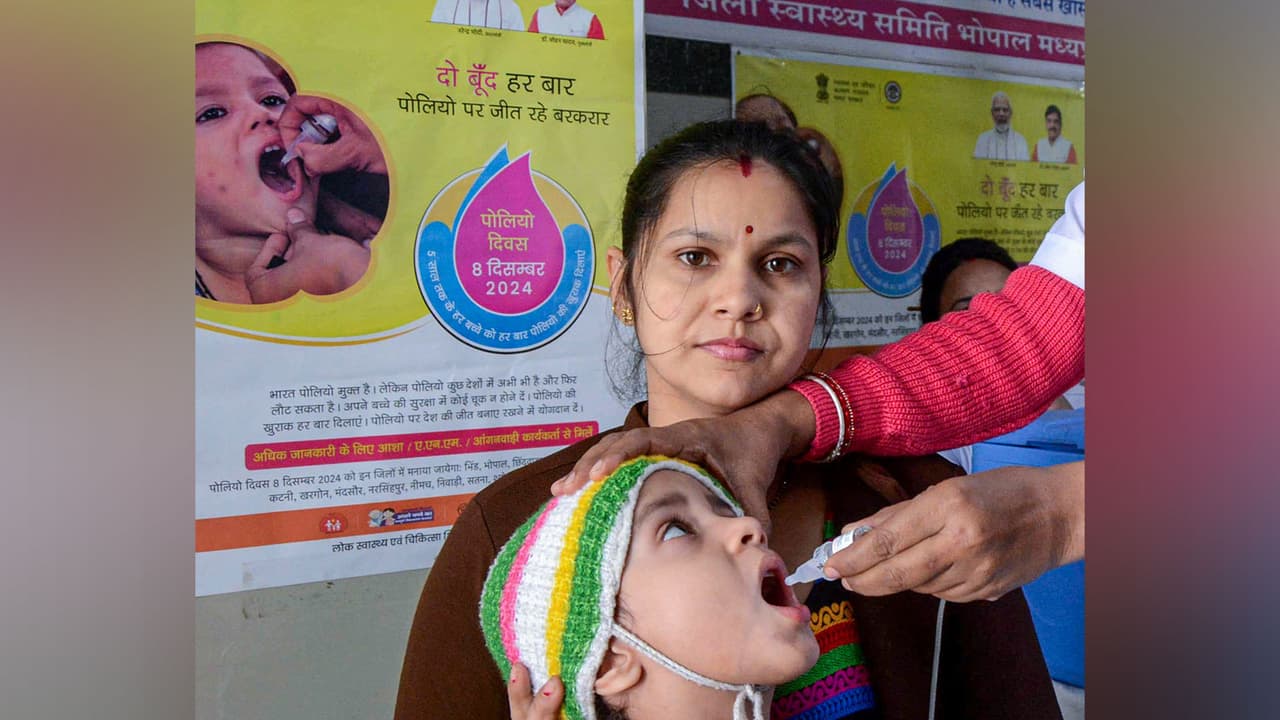
The WHO South-East Asia Region, including India, celebrates 15 years since its last wild poliovirus case. The region was certified polio-free in 2014, a major public health triumph. Vigilance and strong immunization programs remain crucial to sustain this status.
South-East Asia Region marks 15 years since its last wild poliovirus case.
Last wild polio case recorded in India on January 13, 2011.
WHO certified the region polio-free on March 27, 2014.
Achievement highlights strong government leadership and dedicated health workforce.
Continued high immunization coverage and surveillance are vital.
Polio eradication lessons strengthen broader public health initiatives.
The World Health Organization (WHO) South-East Asia Region (SEAR), encompassing eleven countries including India, is celebrating a significant public health milestone: 15 years since the last reported case of wild poliovirus. The last case was detected in an 18-month-old girl in Howrah, West Bengal, India, on January 13, 2011.
Following three years of sustained efforts with no new indigenous wild polio cases, the WHO officially certified the South-East Asia Region as polio-free on March 27, 2014. This achievement was particularly remarkable given that India was once considered the global epicentre of polio, accounting for nearly 60% of worldwide cases in 2009.
This success is attributed to unparalleled government leadership, the tireless dedication of millions of health workers and volunteers, and robust partnerships with communities and international organizations. Extensive and intensive immunization campaigns, including door-to-door vaccinations, ensured high coverage, protecting millions of children.
While the region maintains its polio-free status, continuous vigilance, sensitive surveillance systems, and high immunization coverage are essential to prevent the re-establishment of the virus, especially as wild poliovirus remains endemic in a few other countries globally. The infrastructure and lessons learned from polio eradication efforts are now being utilized to strengthen routine immunization, enhance disease surveillance for other vaccine-preventable diseases, and advance broader public health goals across the region.
Read the full story on Quick Digest