Qatar Halts LNG Production Amid US-Israel-Iran Conflict, Impacting India
Qatar has fully shut down its gas liquefaction operations and declared force majeure following recent US-Israeli strikes on Iran and subsequent Iranian retaliatory attacks targeting Qatari facilities. This critical escalation in the Middle East significantly impacts global energy markets, with India facing substantial liquefied natural gas (LNG) supply cuts.
Key Highlights
- US-Israel launched strikes on Iran starting February 28, 2026.
- Iran retaliated, hitting Gulf states including Qatar's energy facilities.
- QatarEnergy halted LNG production, declared force majeure on gas exports.
- India, a major importer, faces up to 40% cuts in Qatari LNG supplies.
- Global gas prices have surged, and the Strait of Hormuz shipping is disrupted.
- Restarting Qatar's LNG production could take weeks, prolonging market instability.
The Middle East is currently grappling with a severe geopolitical and energy crisis following a series of coordinated military actions between the United States, Israel, and Iran. The unfolding events have led to a complete shutdown of Qatar's vital liquefied natural gas (LNG) production, triggering global energy market instability and posing significant challenges for major importers like India.
The crisis commenced on February 28, 2026, when Israel and the United States launched a series of coordinated strikes against Iran. These attacks reportedly targeted Iran's leadership, security forces, nuclear program, and missile sites, with stated aims including inducing regime change and addressing concerns over Iran's nuclear capabilities. The initial strikes were extensive, with reports indicating that they caused both military and civilian casualties in Iran and led to the death of Supreme Leader Sayyid Ali Khamenei, Iran's defense minister, and other high-ranking officials.
In response to these strikes, Iran initiated a wave of retaliatory attacks, codenamed Operation True Promise IV, targeting Israel, US military bases in the region, and military and civilian locations in Arab states that house US forces. These retaliatory strikes included missile and drone attacks on countries such as Kuwait, Qatar, the United Arab Emirates, Oman, and Saudi Arabia. Notably, Qatari facilities in Ras Laffan Industrial City and Mesaieed Industrial City were hit by these military attacks. Qatar's airspace was also temporarily closed, disrupting flights from Hamad International Airport, and the Qatari government reported shooting down Iranian aircraft and intercepting missiles.
Following these direct attacks on its energy infrastructure, QatarEnergy, the state-owned energy giant, announced on March 2, 2026, that it had ceased production of liquefied natural gas (LNG) and associated products. Subsequently, on March 4, 2026, QatarEnergy declared force majeure on its gas exports, a contractual clause that exempts parties from liability when unforeseen and uncontrollable events prevent them from fulfilling supply obligations. This declaration means that global gas markets will face shortages for an indefinite period, as Qatar accounts for approximately 20% of the world's LNG exports.
The shutdown process is gradual, involving a reduction in production, stopping gas supply, and reducing pressure in upstream facilities to protect equipment. Restarting these complex operations will also be a time-consuming process. According to Reuters sources, Qatar's facilities would need at least two weeks to resume initial operations and another two weeks to reach full capacity after a decision to restart is made. Analysts warn that a prolonged disruption could result in significant lost supply, with estimates ranging from 4.3 million tonnes for a 15-day halt to 11.2 million tonnes for a four-to-five-week interruption in 2026.
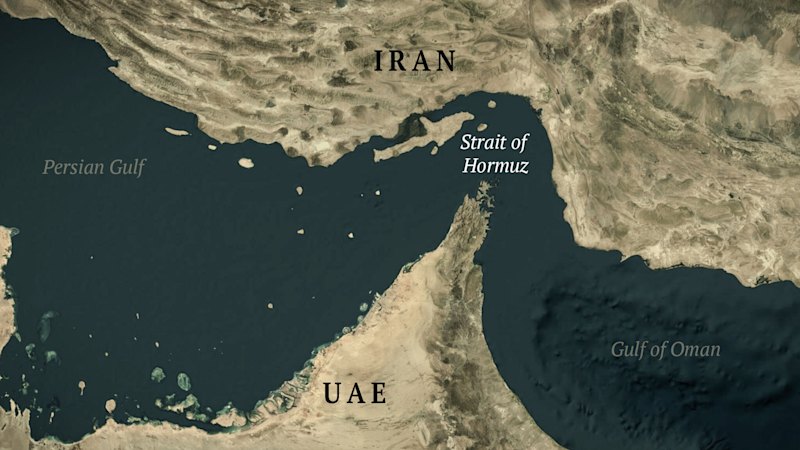
The impact on global energy markets has been immediate and severe. Gas prices in Europe and Asia, as well as LNG shipping rates, have surged to multi-year highs, intensifying competition for available LNG cargoes. The Strait of Hormuz, a critical maritime chokepoint through which a significant portion of global oil and gas shipments—including virtually all Qatari LNG exports—passes, has seen shipping grind to a near halt due to the escalating conflict and threats to maritime security.
For India, the implications are particularly acute. Qatar is India's single largest supplier of imported natural gas, accounting for approximately 40-45% of its annual LNG imports. Indian gas importer Petronet LNG Ltd has informed its gas marketers, such as GAIL (India) Ltd and Indian Oil Corporation (IOC), about the halt in supplies. Consequently, Indian industries are facing supply cuts ranging from 10% to 40%, although flows for CNG retailing and piped cooking gas networks are being prioritized. This disruption forces Indian companies to seek alternative supplies in an already firming spot market, exacerbating energy security concerns and potentially leading to higher costs.
The current situation underscores the interconnectedness of global energy supplies and geopolitical stability. The ongoing conflict between the US, Israel, and Iran, coupled with the direct impact on a major energy producer like Qatar, has created a critical global crisis with far-reaching economic and political ramifications.
Frequently Asked Questions
What triggered Qatar's decision to halt LNG production?
Qatar's state-owned energy company, QatarEnergy, halted LNG production and declared force majeure due to military attacks on its operating facilities in Ras Laffan and Mesaieed Industrial Cities. These attacks were part of Iran's retaliatory strikes following initial US and Israeli military actions against Iran.
What does 'force majeure' mean in this context?
'Force majeure' is a contractual clause that allows a party to suspend or be excused from its contractual obligations when an unforeseen and uncontrollable event, such as war or a natural disaster, makes it impossible to fulfill those obligations. In this case, QatarEnergy invoked it due to military attacks disrupting its gas production and exports.
How will Qatar's LNG shutdown specifically affect India?
India is significantly affected as Qatar is its largest single supplier of imported natural gas, accounting for 40-45% of its annual LNG imports. The shutdown has led to immediate supply cuts for Indian industries, reportedly ranging from 10% to 40%, impacting sectors like power generation, fertilizer production, and general industry.
What is the broader global impact of this energy disruption?
The complete shutdown of Qatar's LNG production, which constitutes approximately 20% of the global supply, has caused a surge in global gas prices in both European and Asian markets. It has also intensified competition for LNG cargoes and significantly disrupted shipping through the critical Strait of Hormuz, affecting worldwide energy flows.
How long is the disruption to Qatar's LNG production expected to last?
Initial estimates suggest that once the facilities are completely halted, restarting operations could take at least two weeks to get online, and another two weeks would be required to reach full production capacity. The overall duration depends on the extent of infrastructure damage and the cessation of hostilities.