US-Iran Tensions: Trump on Past Interventions, Fresh Strike Warnings
Former US President Donald Trump has stated that the US "shouldn't have been in Iran" while simultaneously defending recent military actions against Tehran. These remarks come amidst ongoing high-stakes negotiations and warnings of potential fresh strikes, as the US and Iran grapple with a fragile ceasefire and contentious issues like nuclear ambitions and the Strait of Hormuz.
Key Highlights
- Trump criticized US intervention in Iran, drawing parallels to Iraq.
- US defense officials warn of readiness for renewed military strikes on Iran.
- Ongoing diplomatic efforts aim for a deal to extend the US-Iran ceasefire.
- Iran denies final agreement, rejects US 'language of must'.
- Strait of Hormuz and nuclear program remain key negotiation sticking points.
- Reports indicate recent US military strikes and drone interceptions in Iran.
Former US President Donald Trump has weighed in on the protracted conflict and diplomatic efforts between the United States and Iran, controversially stating that the US "shouldn't have been in Iran" while simultaneously justifying the military strikes taken during his administration. This statement was made amid a backdrop of intense negotiations aimed at securing a lasting peace deal and persistent warnings of renewed military action. The Hindustan Times article, published on May 31, 2026, captures the real-time nature of these developments, noting ongoing 'Iran war news LIVE' coverage.
The broader context reveals a fragile situation. A temporary ceasefire, established in early April, has been in place, but sporadic military actions and heightened tensions continue. Reports confirm that the Trump administration has been actively preparing for a fresh round of military strikes against Iran, with no final decision reached as of late May 2026. US Defense Secretary Pete Hegseth explicitly warned at a security conference in Singapore that the US military remains prepared to resume operations against Iran if diplomatic efforts fail, highlighting America's capability and sufficient munitions stocks. This readiness was underscored by recent US military actions, including overnight strikes inside Iran and the interception of drones, described by US officials as defensive.
Trump's comments on US involvement in Iran echoed his long-standing criticisms of past American interventions in the Middle East, likening the situation to the Iraq War, which he termed a "strategic error." Despite this, he defended the military strikes against Tehran, asserting they were necessary to prevent Iran from obtaining nuclear weapons. He claimed that these interventions had severely hampered Iran's nuclear program and argued that the US had intentionally avoided targeting large segments of Iran's conventional military, viewing some elements as comparatively moderate.
The diplomatic landscape surrounding these events is complex and characterized by conflicting statements. Multiple reports indicate that Trump held intensive meetings in the White House Situation Room to make a "final determination" on a proposed deal with Iran. This deal, often described as "very good" by Trump, aimed to extend the existing truce, reopen the strategically vital Strait of Hormuz, and address Iran's nuclear program.
However, Iran has consistently pushed back against the US narrative. Iranian officials, through state media, have vehemently denied that any final understanding has been reached, rejecting what they termed Trump's "language of must." Iran's foreign ministry spokesman, Esmaeil Baqaei, emphasized that Tehran makes its own decisions based on national interests and that nuclear talks are not currently underway, focusing instead on ending the ongoing conflict. Iran also rejected Trump's claims regarding the destruction of its nuclear material and the terms for reopening the Strait of Hormuz, with reports suggesting Tehran is demanding the immediate release of $12 billion in frozen assets.
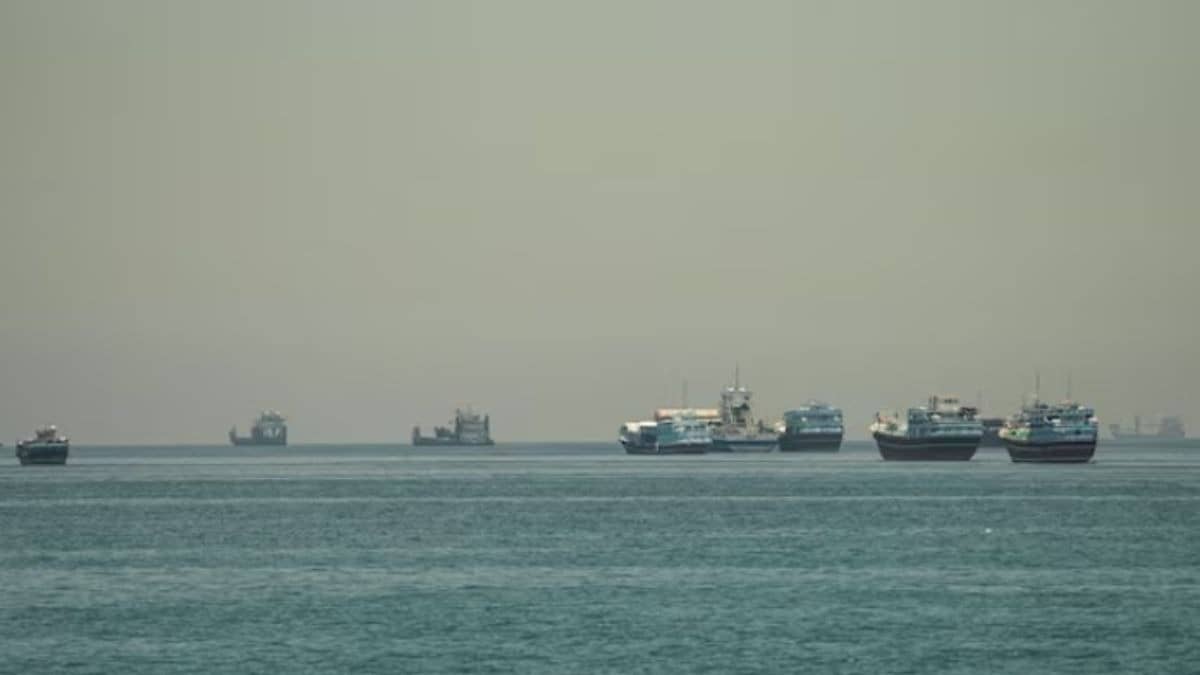
The Strait of Hormuz remains a critical point of contention. Trump has insisted on its immediate, toll-free reopening for unrestricted shipping, with all naval mines removed or destroyed. The US Treasury has also warned against dealing with Iran's newly created Persian Gulf Strait Authority, which aims to collect tolls, imposing sanctions risks. The ongoing chokehold on this waterway, through which a significant portion of the world's oil supply transits, has led to soaring global oil prices and concerns about a potential global food crisis.
This confluence of diplomatic overtures, military posturing, and conflicting statements paints a picture of extreme volatility in US-Iran relations, with significant geopolitical and economic implications. The conflict, which reportedly started on February 28, 2026, has seen temporary ceasefires punctuated by renewed hostilities, making real-time updates and careful verification of claims essential for a global audience.
For an Indian audience, the news holds high importance due to its potential impact on global oil prices, trade routes (like the Strait of Hormuz), and broader international stability, all of which directly affect India's economic and strategic interests. The fluctuating oil prices, in particular, could have a considerable impact on India's import bills and domestic economy.
In summary, the Hindustan Times article accurately reports on the ongoing complex and tense relationship between the US and Iran. Trump's mixed messages—questioning past interventions while defending current military readiness and pushing for a deal—reflect the multifaceted approach of his administration. The verification process confirms the accuracy of the major claims, the timeliness of the 'LIVE' reporting, and the broad international corroboration of the events described. The situation remains highly fluid, with significant global ramifications.
Frequently Asked Questions
What is Donald Trump's current stance on US involvement in Iran?
Donald Trump has publicly stated that the US 'shouldn't have been in Iran,' drawing parallels to past foreign policy missteps like the Iraq War. However, he also defends military strikes against Iran, claiming they were necessary to prevent Tehran from acquiring nuclear weapons and to secure US interests.
Are there ongoing military actions between the US and Iran?
Yes, despite a temporary ceasefire initiated in early April, reports indicate ongoing sporadic military actions, including recent US strikes inside Iran and drone interceptions. US officials have also warned of preparedness for fresh military strikes if diplomatic efforts fail.
What are the main obstacles in the US-Iran peace negotiations?
Key sticking points in the negotiations include Iran's nuclear program and the reopening of the Strait of Hormuz. Trump insists on Iran never developing nuclear weapons and the strait being open without tolls, while Iran denies nuclear talks are underway and rejects preconditions, demanding the release of frozen assets.
What is the significance of the Strait of Hormuz in this conflict?
The Strait of Hormuz is a critical global shipping lane through which a significant portion of the world's oil supply transits. Iran's control or chokehold over the strait, and the presence of naval mines, has caused global oil prices to soar and raises concerns about international trade and energy security.
How does this conflict impact India?
For India, the US-Iran conflict is highly important due to its potential to destabilize global oil markets, which directly impacts India's significant oil import bill. Disruptions in critical trade routes like the Strait of Hormuz also have broader economic and strategic implications for the country.