Trump's Shifting Iran Stance: Diplomacy Amidst Military Pressure | Quick Digest
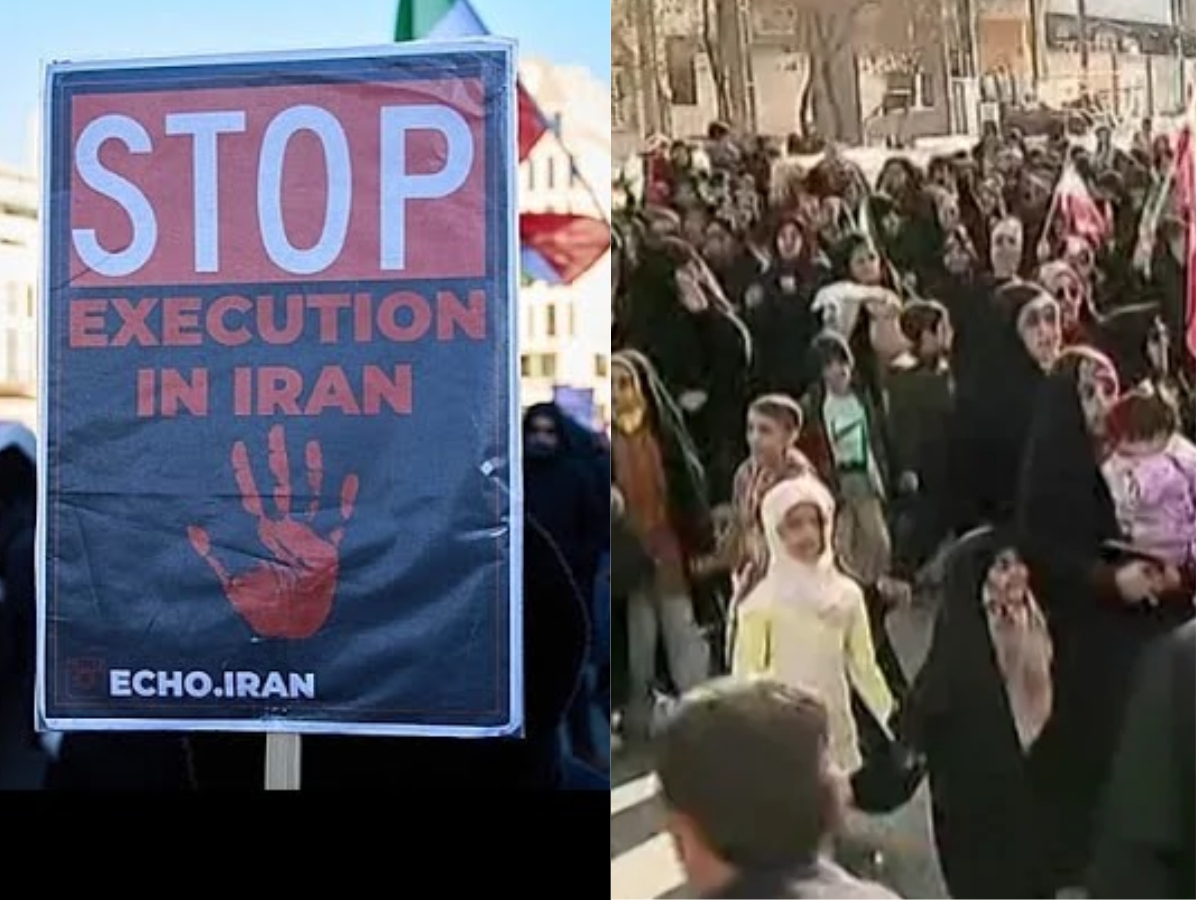
The Economic Times article examines the ambiguous U.S. posture towards Iran, balancing de-escalatory rhetoric from Trump with military readiness. It questions whether Iran is being drawn into a strategic trap while highlighting new U.S. sanctions and regional diplomatic efforts to ease tensions.
Trump's rhetoric oscillated between calm and military threats towards Iran.
US announced new sanctions on Iranian officials and financial networks.
Unconfirmed reports suggested Trump communicated non-intent to attack Iran.
Gulf allies and Turkey engaged in diplomacy to prevent military action.
Iran's state media escalated rhetoric, threatening Trump personally.
The article explores strategic ambiguity as a potential 'trap' or conditional restraint.
The Economic Times article, published on January 15, 2026, analyzes the perplexing and often contradictory signals from the Trump administration regarding its policy towards Iran. The piece highlights a noticeable shift in former President Trump's tone, moving towards de-escalation, especially concerning the crackdown on Iranian protesters. Trump publicly claimed that Iranian authorities had halted killings and executions, citing unnamed 'very important sources,' suggesting a period of observation rather than immediate intervention.
However, this rhetorical softening is juxtaposed with continued demonstrations of U.S. military readiness and redeployments, creating a strategic ambiguity that leaves international allies, adversaries, and even Iranian protesters uncertain of Washington's true intentions. Some observers interpret this as a deliberate attempt to lower tensions, while others view it as conditional restraint contingent on Iranian behavior.
Further complicating the situation are unconfirmed reports from Iran's envoy to Pakistan, suggesting that Trump privately conveyed his non-intent to attack Iran and urged Tehran to exercise restraint. Simultaneously, the U.S. has implemented new sanctions targeting Iranian security officials and its 'shadow banking' networks, aimed at pressuring the regime amid ongoing nationwide unrest. Additionally, Trump also threatened a 25% tariff on countries continuing to do business with Iran.
Regional diplomatic efforts have intensified, with Arab Gulf states, including Saudi Arabia, Qatar, Oman, and Egypt, along with Turkey, actively lobbying against U.S. military action, fearing widespread instability. Iran's state media, meanwhile, has responded with rhetorical escalation, even broadcasting explicit threats against Trump, indicating a lack of full trust in U.S. restraint and preparing its domestic audience for potential confrontation. The article ultimately frames the situation as a complex interplay of diplomacy, pressure, and potential deception, leaving the question of whether Iran is being 'lulled into a trap' open to interpretation.
Read the full story on Quick Digest