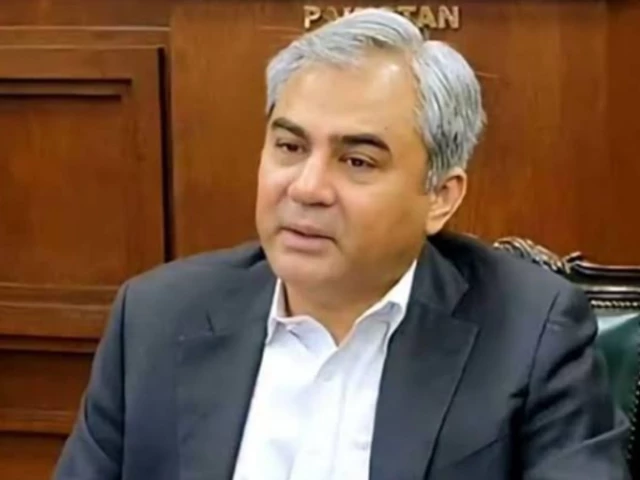
Pakistan Mediates US-Iran Tensions: Tehran Demands Compensation
Pakistan's Army Chief, Asim Munir, visited Tehran in August 2026 amidst escalating US-Iran tensions, acting as a key mediator. While Iran consistently demands US compensation, frozen assets, and lifting of sanctions for a peace deal, reports of Munir leaving "empty-handed" are an exaggeration of the complex, ongoing diplomatic efforts.
Key Highlights
- Asim Munir visited Tehran in August 2026 to mediate US-Iran conflict.
- Pakistan acts as a key intermediary in US-Iran peace talks.
- Iran demands compensation from the US for war damages and sanctions relief.
- The Strait of Hormuz remains a critical point of contention.
- Headline implying 'empty-handed' is an exaggeration of mediation efforts.
Pakistan's Chief of Army Staff (COAS), Field Marshal Asim Munir, undertook a significant diplomatic visit to Tehran on August 24, 2026, amid persistent and escalating tensions between the United States and Iran. This visit, his third to Iran in 2026, underscores Pakistan's active role as a mediator in efforts to de-escalate what has been described as a 'US-Israel war on Iran,' which commenced in February 2026.
The original article's headline, 'No Deal Without Cash': Asim Munir Leaves Tehran Empty-Handed As Iran Demands US Compensation, is found to be partially accurate but sensationalized and potentially misleading. While it is true that Iran has consistently demanded compensation from the United States, along with the lifting of sanctions and the release of frozen assets, as preconditions for any peace agreement and the reopening of the crucial Strait of Hormuz, there is no evidence to suggest that Iran directly demanded this compensation from Pakistan or that Munir left 'empty-handed' in the context of a bilateral deal between Pakistan and Iran.
Numerous credible sources, including The Hindu, Al Jazeera, Mint, Dawn, TRT World, CBS News, Axios, Kurdistan24, and WION, corroborate the fact of Munir's visit and Pakistan's mediation efforts. Pakistan has positioned itself as a crucial channel for communication between Washington and Tehran, with Munir reportedly carrying US proposals to Iran and working to revive previous agreements, such as the Islamabad Memorandum of Understanding, which had aimed to halt hostilities.
Iran's demands are primarily directed at the United States, focusing on rectifying damages incurred during the conflict, ending the naval blockade, and withdrawing US sea and air forces from the region. Iranian officials, including Supreme National Security Council Secretary Mohsen Rezaei and Parliament Speaker Mohammad Bagher Qalibaf, have publicly articulated these conditions, emphasizing that the Strait of Hormuz will remain closed until the US fulfills its commitments.
The notion of Munir leaving 'empty-handed' is an oversimplification of complex diplomatic endeavors. Mediation is an iterative process, and the absence of an immediate, comprehensive breakthrough does not necessarily equate to complete failure. Pakistan's role is to facilitate dialogue and convey messages, aiming for a broader US-Iran peace arrangement. Reports indicate Munir engaged with high-ranking Iranian officials, including President Masoud Pezeshkian and Parliament Speaker Mohammad Bagher Ghalibaf, discussing regional peace and stability.
Bilateral relations between Pakistan and Iran are generally cordial, rooted in shared historical, cultural, and religious ties. Iran was the first country to recognize Pakistan in 1947, and both nations maintain active engagements, with Pakistan expressing a commitment to expanding economic cooperation despite US sanctions. They also collaborate on border security and counter-terrorism initiatives.
In conclusion, while the core facts of Munir's visit and Iran's demand for US compensation are accurate, the headline's portrayal of him leaving 'empty-handed' is an exaggeration. Pakistan continues to play a delicate and essential mediating role in a highly volatile geopolitical situation, seeking to foster peace and stability between two major powers, the United States and Iran. The ongoing nature of these complex negotiations means that definitive 'deals' or 'failures' are often stages in a protracted diplomatic process rather than final outcomes.
Frequently Asked Questions
What was the primary purpose of Pakistan Army Chief Asim Munir's recent visits to Tehran?
Field Marshal Asim Munir's primary purpose during his visits to Tehran in 2026, including the one on August 24, 2026, was to act as a key mediator between the United States and Iran. Pakistan has been actively involved in diplomatic efforts to de-escalate tensions and facilitate peace talks amidst the ongoing US-Israel war on Iran.
What are Iran's main demands for a peace deal with the United States?
Iran's main demands for a peace deal with the United States include compensation for war damages, the lifting of all US sanctions, and the unconditional release of its frozen assets abroad. Iran also insists on the withdrawal of US sea and air forces from the region and control over the Strait of Hormuz.
Did Iran demand compensation directly from Pakistan during Asim Munir's visit?
No, there is no evidence to suggest that Iran demanded compensation directly from Pakistan or Asim Munir. Iran's demands for 'cash' or compensation are consistently directed at the United States as a condition for a broader US-Iran peace agreement, which Pakistan is mediating.
What is the current status of the US-Iran peace talks?
The US-Iran peace talks remain complex and stalled despite ongoing mediation efforts, including those by Pakistan and Qatar. While various proposals have been exchanged, significant disagreements persist, particularly concerning Iran's demands for compensation, sanctions relief, and the status of the Strait of Hormuz.
How accurate was the headline 'No Deal Without Cash': Asim Munir Leaves Tehran Empty-Handed?
The headline is largely sensationalized and an exaggeration. While Iran does demand US compensation ('No Deal Without Cash'), the assertion that Asim Munir left 'empty-handed' over a direct Pakistan-Iran cash-related deal is misleading. Munir was a mediator in the stalled US-Iran peace process, which is a continuous diplomatic effort, not a single 'deal or no deal' transaction for Pakistan.