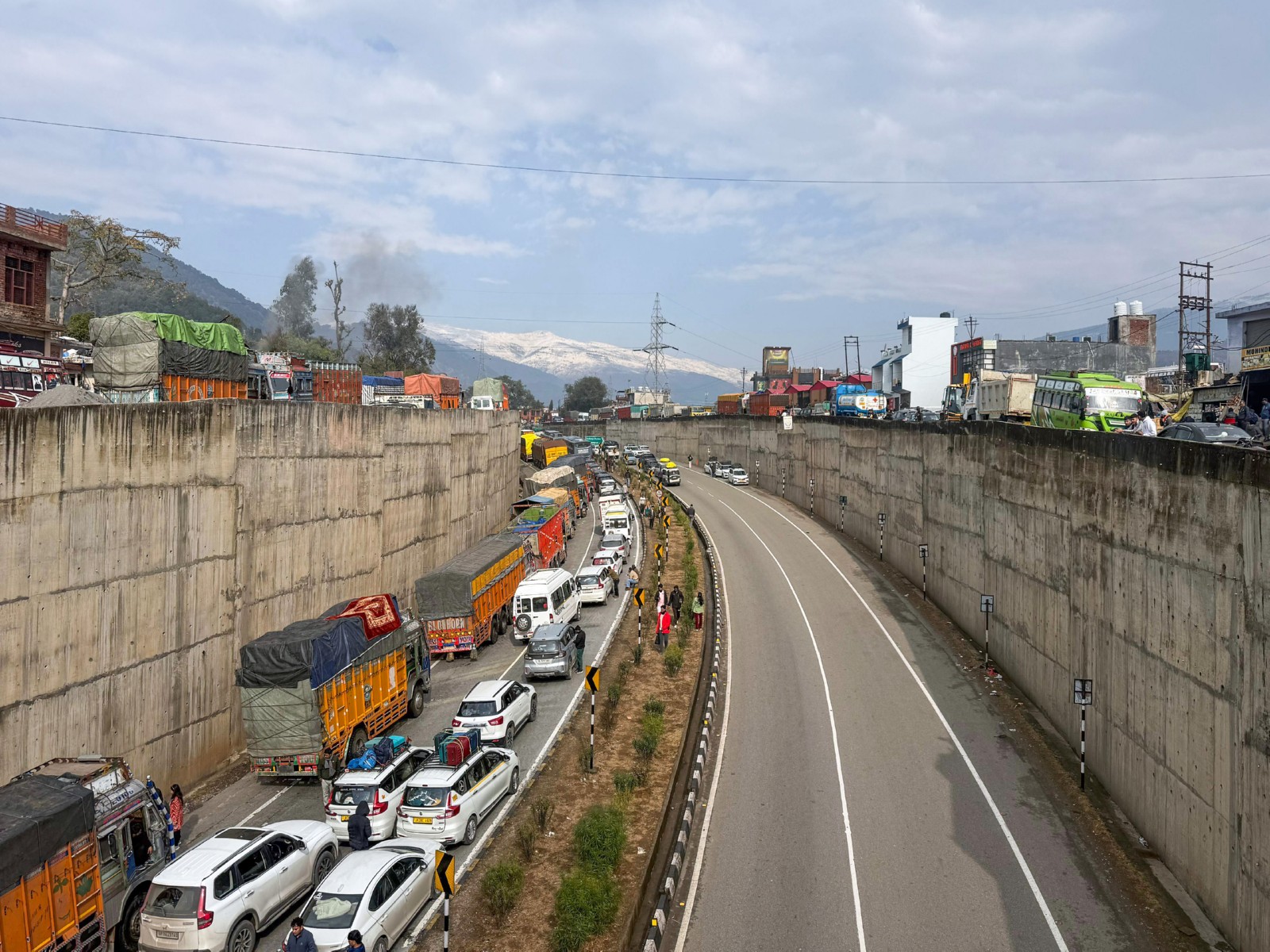
India braces for continued rain with back-to-back weather systems
India is likely to experience continued rainfall due to consecutive weather systems forming over the Bay of Bengal and the Arabian Sea. These systems are expected to bring widespread showers across various parts of the country, impacting normal life and agricultural activities.
Key Highlights
- Consecutive weather systems to bring more rain across India.
- Bay of Bengal and Arabian Sea systems influencing Indian weather patterns.
- Potential for disruptions to daily life and agriculture.
- Advisories and alerts issued by meteorological departments.
- Specific regions bracing for significant rainfall amounts.
- Farmers urged to take precautions against crop damage.
India is currently under the influence of a dynamic weather scenario, with consecutive weather systems expected to prolong the rainy spell across various regions of the country in the coming week. The India Meteorological Department (IMD) has been closely monitoring the formation and movement of these systems, primarily originating from the Bay of Bengal and the Arabian Sea, which are crucial for the subcontinent's monsoon and post-monsoon rainfall patterns.
The primary system expected to impact the weather is a low-pressure area that has formed over the Bay of Bengal. This system is predicted to intensify and move inland, bringing significant rainfall to eastern and central India. States like Odisha, West Bengal, Chhattisgarh, and parts of Madhya Pradesh are likely to witness heavy to very heavy showers. The intensity and duration of rainfall are crucial factors that can lead to localized flooding, waterlogging in urban areas, and disruptions to transportation and daily life. Farmers in these regions are particularly vulnerable, as excessive rainfall can damage standing crops, particularly those that are ready for harvest or have recently been sown.
Simultaneously, the Arabian Sea is also showing signs of activity, with another potential weather system brewing. While its exact trajectory and intensity are still under observation, it could influence the weather patterns in western and southern India. This could mean continued or renewed rainfall in states like Kerala, Karnataka, Maharashtra, and Gujarat. The combination of these two systems, even if one is weaker than the other, creates a complex weather situation that requires continuous monitoring and timely advisories.
The impact of such prolonged and widespread rainfall extends beyond immediate inconvenience. It can affect agricultural output, leading to potential price fluctuations for essential commodities. Infrastructure, especially in flood-prone areas, can be damaged, requiring significant repair and investment. Furthermore, the altered weather patterns can have implications for water resource management, with some regions potentially experiencing water scarcity due to inconsistent monsoon performance, while others grapple with excess water.
Authorities and meteorological agencies are urging citizens to stay updated with weather forecasts and advisories. Precautions are being recommended for travel, especially in areas prone to landslides or heavy fog, which can accompany such weather systems. Disaster management agencies are likely on alert to respond to any exigencies that may arise from heavy rainfall or associated events like thunderstorms and strong winds. The agricultural sector is being advised to implement protective measures for crops and livestock, such as improved drainage systems and secure shelters.
The formation of back-to-back weather systems is not uncommon during certain parts of the year, particularly during the monsoon transition periods or active monsoon phases. However, the intensity and spatial distribution of these systems determine the extent of their impact. The current scenario suggests a period of heightened weather activity that will require vigilance from both the public and official bodies. The consistent inflow of moisture from the seas, coupled with atmospheric disturbances, is the driving force behind these meteorological events. Experts are analyzing the data to predict the precise duration and geographical spread of these rains to provide more targeted advisories. The implications for India's diverse climate and agricultural landscape are significant, necessitating preparedness and adaptation strategies. The country's resilience in managing such weather events is often tested, and timely information dissemination plays a critical role in mitigating potential losses and ensuring public safety.
Frequently Asked Questions
What are the main weather systems expected to affect India?
India is expected to be affected by consecutive weather systems, primarily a low-pressure area forming over the Bay of Bengal and potential activity in the Arabian Sea. These systems are likely to bring widespread rainfall across various parts of the country.
Which regions of India are most likely to experience heavy rainfall?
Eastern and central India, including states like Odisha, West Bengal, Chhattisgarh, and parts of Madhya Pradesh, are anticipated to receive heavy to very heavy showers due to the system over the Bay of Bengal. Western and southern India might also see continued or renewed rainfall.
What are the potential impacts of this prolonged rainfall?
The prolonged and widespread rainfall can lead to localized flooding, waterlogging in urban areas, disruptions to transportation, damage to standing crops, and potential price fluctuations for essential commodities. It can also impact infrastructure and water resource management.
What precautions should people take?
Citizens are advised to stay updated with weather forecasts and advisories from the India Meteorological Department (IMD). Precautions are recommended for travel, especially in areas prone to landslides or fog. Farmers should take measures to protect their crops and livestock.