India's Energy Cargoes Stuck in Strait of Hormuz Amid Regional Tensions
Over 2 lakh MT of LPG and 16.7 lakh MT of crude oil on Indian-flagged vessels are stranded in the Strait of Hormuz due to escalating regional conflicts. The Indian Navy has deployed warships to escort these vessels, while diplomatic efforts are underway with Iran for safe passage. The disruption poses significant risks to India's energy security and economy.
Key Highlights
- Millions of tons of Indian LPG and crude oil are stuck in the Strait of Hormuz.
- Indian Navy warships deployed to escort stranded fuel tankers.
- Diplomatic talks with Iran focus on securing safe passage for Indian vessels.
- Regional conflict threatens India's energy security and economic stability.
- Over 22 Indian-flagged vessels and 600+ seafarers remain stranded.
- India relies heavily on the Strait of Hormuz for energy imports.
Escalating geopolitical tensions in West Asia have led to a significant disruption in maritime traffic through the Strait of Hormuz, a critical global energy corridor, resulting in substantial quantities of Indian energy cargo being stranded. Officials have confirmed that approximately 2 lakh metric tonnes (MT) of Liquefied Natural Gas (LNG) and 16.7 lakh MT of crude oil, transported via Indian-flagged vessels, are currently held up in the region west of the Strait of Hormuz. Additionally, about 3.2 lakh MT of Liquefied Petroleum Gas (LPG) is also reportedly stuck in vessels within the western part of the strait [4].
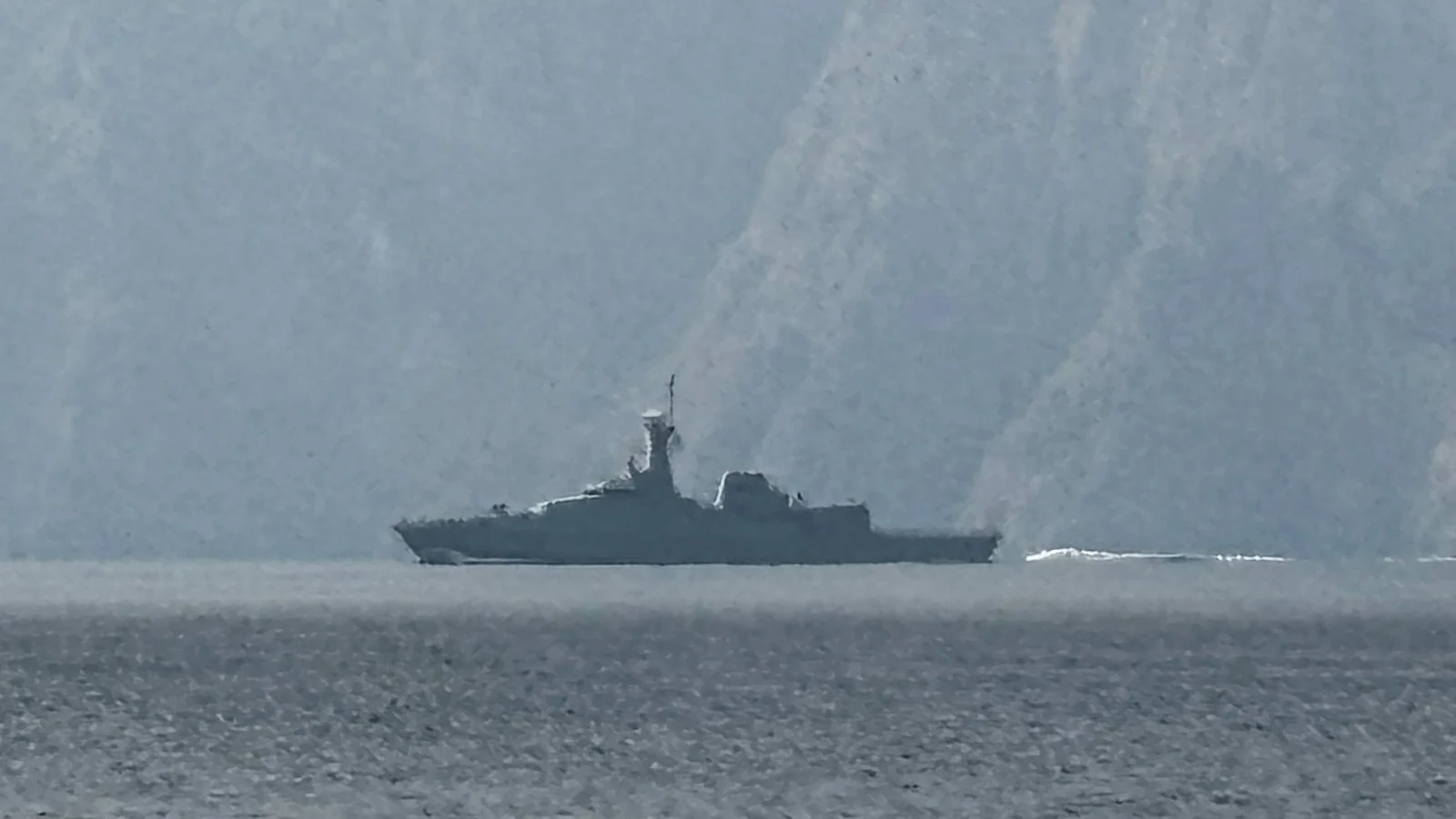
The Indian Navy has responded by deploying warships to escort Indian-flagged vessels transiting through the Persian Gulf region, aiming to ensure the safety of Indian seafarers and the security of vital energy supplies [4, 15, 30, 32]. This deployment is part of broader efforts, including Operation Sankalp, to safeguard Indian commercial shipping [17]. At least 22 Indian-flagged vessels, carrying approximately 611 Indian seafarers, remain stranded in the Persian Gulf, west of the Strait of Hormuz, with three more vessels stuck to the east of the strait [28, 34].
India is actively engaged in diplomatic negotiations with Iran to secure safe passage for these stranded vessels [10, 13, 18, 21, 25, 31, 33, 36]. These talks involve discussions about the release of three Iran-linked tankers that Indian authorities seized in February, allegedly for concealing their identities and engaging in illegal ship-to-ship transfers. In return, Tehran has reportedly requested the release of these tankers, along with supplies of medicines and medical equipment [6, 7, 10, 13]. The urgency for India lies in ensuring the uninterrupted flow of energy, as the country imports approximately 85% of its crude oil and a significant portion of its LNG requirements, with a substantial percentage of these supplies transiting through the Strait of Hormuz [5, 9, 14, 23, 24].
The disruption at the Strait of Hormuz has far-reaching implications for India's economy. Prolonged instability could lead to increased input costs, delayed shipments, and squeezed corporate margins [5]. Analysts warn of potential price hikes for crude oil and LNG, which could widen India's current account deficit, fuel inflation, and pressure the Indian Rupee [5, 8, 9]. The country's dependence on the Middle East for about 90% of its LPG imports makes the situation particularly critical for household consumers and small businesses [21, 29].
While India has diversified its crude oil sourcing to approximately 40 countries and increased strategic reserves, about 30-35% of its crude imports still pass through the Strait of Hormuz [29]. The country's strategic oil stockpiles are less extensive compared to some other nations, making it vulnerable to prolonged supply shocks [29]. The situation underscores the fragility of global energy supply chains and India's susceptibility to geopolitical events impacting critical maritime routes [21, 22].
Recent reports indicate that two Indian LPG carriers, Shivalik and Nanda Devi, successfully transited the Strait of Hormuz on March 14th, carrying about 92,700 metric tonnes of LPG, providing some relief [4, 17, 36]. The crude oil tanker Jag Laadki also arrived at Mundra Port, carrying approximately 80,000 metric tonnes of crude oil [4, 29, 30]. These passages, facilitated through diplomatic efforts, highlight the ongoing negotiations to manage the crisis. The Indian government is prioritizing LPG shipments due to the immediate impact on households and is working to ensure stability in domestic fuel availability. The Directorate General of Shipping has also facilitated the repatriation of several Indian seafarers [28].
The conflict, which began around February 28, 2026, following US and Israeli strikes on Iran, has led to Iran's retaliatory actions, effectively halting shipping traffic through the Strait [16]. This crisis has been described as the largest disruption to energy supply since the 1970s energy crisis, with Brent crude prices soaring significantly [16]. The continued diplomatic engagement and naval presence aim to mitigate the severe economic and energy security risks posed by the ongoing situation in the Strait of Hormuz.
Frequently Asked Questions
What is the Strait of Hormuz and why is it important?
The Strait of Hormuz is a narrow waterway connecting the Persian Gulf with the Gulf of Oman and the open ocean. It is a crucial chokepoint for global energy trade, with approximately 20-30% of the world's seaborne oil supply and a significant portion of liquefied natural gas (LNG) passing through it daily. Its strategic importance makes it highly sensitive to geopolitical tensions.
How much Indian cargo is stuck in the Strait of Hormuz?
As of March 18, 2026, officials confirmed that approximately 2 lakh metric tonnes (MT) of LNG and 16.7 lakh MT of crude oil on Indian-flagged vessels are stuck in the Strait of Hormuz. An additional 3.2 lakh MT of LPG is also reportedly stranded.
What is India doing to address the situation?
India has deployed warships to escort Indian vessels and is actively engaged in diplomatic negotiations with Iran to secure safe passage for its stranded ships. The government is prioritizing LPG shipments due to immediate domestic shortages and is monitoring the situation closely to ensure energy security.
What are the economic implications for India?
The disruption in the Strait of Hormuz poses significant risks to India's economy. It could lead to increased energy costs, higher inflation, a wider current account deficit, and pressure on the Indian Rupee. India's heavy reliance on Middle Eastern energy imports makes it particularly vulnerable to prolonged disruptions.