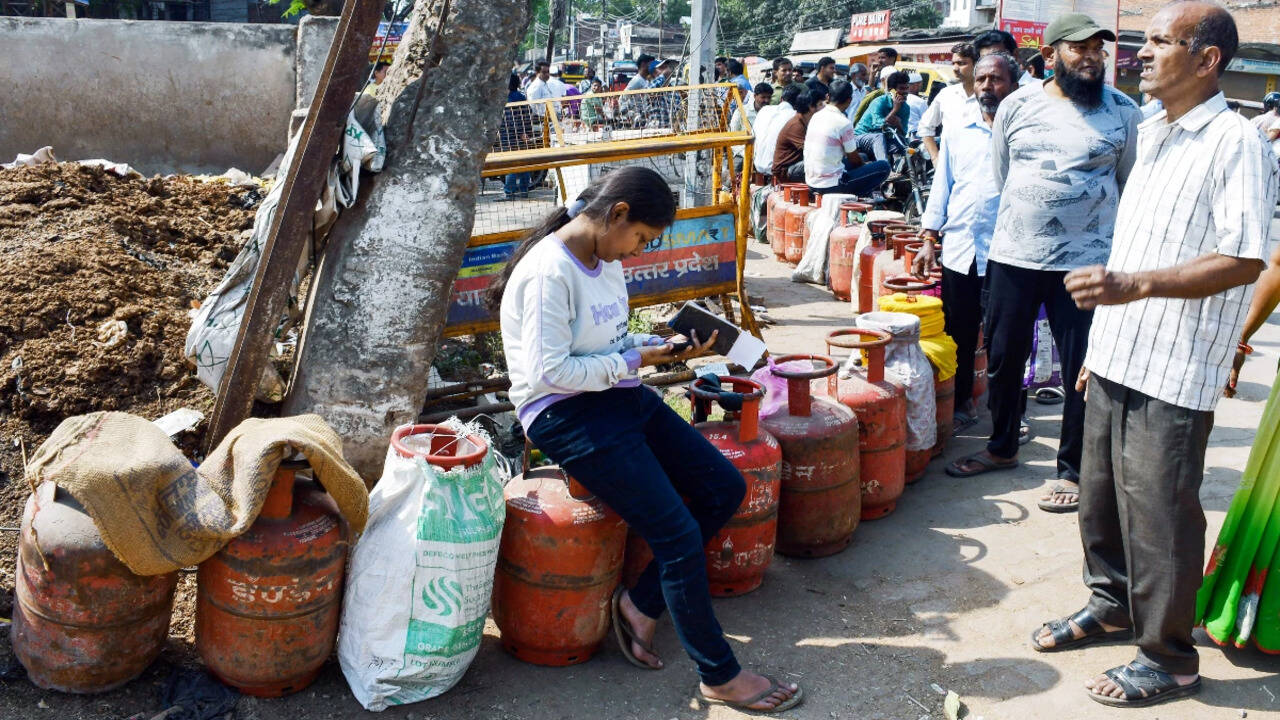
Govt directs ministries to assess PNG demand amid LPG supply concerns
Amidst concerns over Liquefied Petroleum Gas (LPG) supply disruptions, the Indian government has directed all ministries to assess the demand for Piped Natural Gas (PNG) in their canteens and offices. This move is part of a broader strategy to promote PNG adoption and reduce reliance on imported LPG, especially in light of geopolitical tensions in West Asia.
Key Highlights
- Government asks all ministries to assess PNG demand.
- Push for PNG to reduce LPG import dependency.
- West Asia conflict impacts global LPG supply.
- Policy aims to expedite PNG network expansion.
- Incentives offered to encourage PNG adoption.
- New regulations simplify pipeline installation processes.
In response to ongoing concerns about the global supply of Liquefied Petroleum Gas (LPG) and its impact on India, the central government has initiated a significant push towards increasing the adoption of Piped Natural Gas (PNG). A key directive has been issued to all government ministries, urging them to conduct a comprehensive assessment of the potential demand for PNG connections within their respective canteens and offices. This proactive measure is aimed at identifying opportunities to transition government establishments to PNG, thereby reducing their reliance on LPG and contributing to a more stable energy distribution system. The Ministry of Petroleum and Natural Gas has also actively encouraged government establishments, residential colonies, and canteens to switch to PNG where it is available. City Gas Distribution (CGD) companies are being provided with support to expand their networks, indicating a concerted effort to boost PNG infrastructure nationwide [2, 15].
The impetus for this accelerated shift towards PNG is largely driven by the geopolitical instability in West Asia, which has disrupted global energy supply chains and put pressure on LPG availability. India, heavily reliant on LPG imports (approximately 60% of its requirement), is particularly vulnerable to these disruptions, as a significant portion of these imports pass through the Strait of Hormuz [5, 9]. The government's strategy involves not only encouraging a switch to PNG but also implementing policies to streamline and expedite the expansion of PNG networks. New regulations have been notified to simplify the process of pipeline installation, including mandating housing societies to grant access for pipeline installation within three working days. Failure to comply could lead to the discontinuation of LPG supply to non-compliant households [4].
To further incentivize the transition, various CGD companies, such as Indraprastha Gas Ltd (IGL), Mahanagar Gas Ltd (MGL), GAIL Gas Ltd, and Bharat Petroleum Corporation Limited (BPCL), are offering a range of incentives. These include free gas, waivers on registration charges and security deposits for both domestic and commercial consumers [11, 22]. The government is also using commercial LPG allocation as a leverage, offering increased allocations to states that demonstrate progress in expediting PNG rollout and implementing reforms that facilitate CGD expansion [17, 20].
In addition to the push for PNG, the government is also addressing the immediate LPG supply situation. While acknowledging the concerns, it has assured that domestic LPG supply remains stable and advised against panic booking [6, 13, 14]. Commercial LPG allocation has been increased to key sectors like restaurants and hotels to mitigate the impact of supply disruptions [14]. The Petroleum and Explosives Safety Organisation (PESO) has been directed to expedite the disposal of CGD applications within 10 days [2, 12]. The government's objective is to strengthen India's gas distribution network, improve energy security, and ensure a reliable fuel supply amid ongoing global energy market volatilities [10]. The overall aim is to increase natural gas's share in India's energy mix to 15% in the coming years, with PNG playing a crucial role in this transition [3]. The government has also prohibited households with PNG connections from retaining or obtaining separate LPG connections, aiming to prevent duplication and ensure LPG availability for those without access to piped gas [9, 19]. The Petroleum and Natural Gas Regulatory Board (PNGRB) has also directed CGD entities to prioritize PNG connections for educational institutions and community kitchens within five days where pipelines are feasible [18]. The overall sentiment is that this crisis serves as a wake-up call for India to diversify its energy sources and reduce its dependence on imported fuels [8].
Frequently Asked Questions
Why is the Indian government pushing for Piped Natural Gas (PNG) connections?
The Indian government is promoting PNG connections to reduce the country's heavy reliance on imported Liquefied Petroleum Gas (LPG), especially in light of disruptions in global supply chains due to geopolitical events in West Asia. PNG is seen as a more stable and domestically available energy source.
What is the government asking ministries to do regarding PNG?
The government has directed all central government ministries to conduct a comprehensive assessment of the potential demand for PNG connections within their canteens and offices. They are also asked to designate nodal officers to coordinate this exercise and to expedite permissions related to PNG infrastructure development.
Are there any incentives for consumers to switch to PNG?
Yes, several City Gas Distribution (CGD) companies are offering incentives such as free gas, waivers on registration charges, and reduced security deposits for both domestic and commercial consumers to encourage the switch from LPG to PNG.