Trump: US to exit Iran conflict in 2-3 weeks, 'finishing the job'
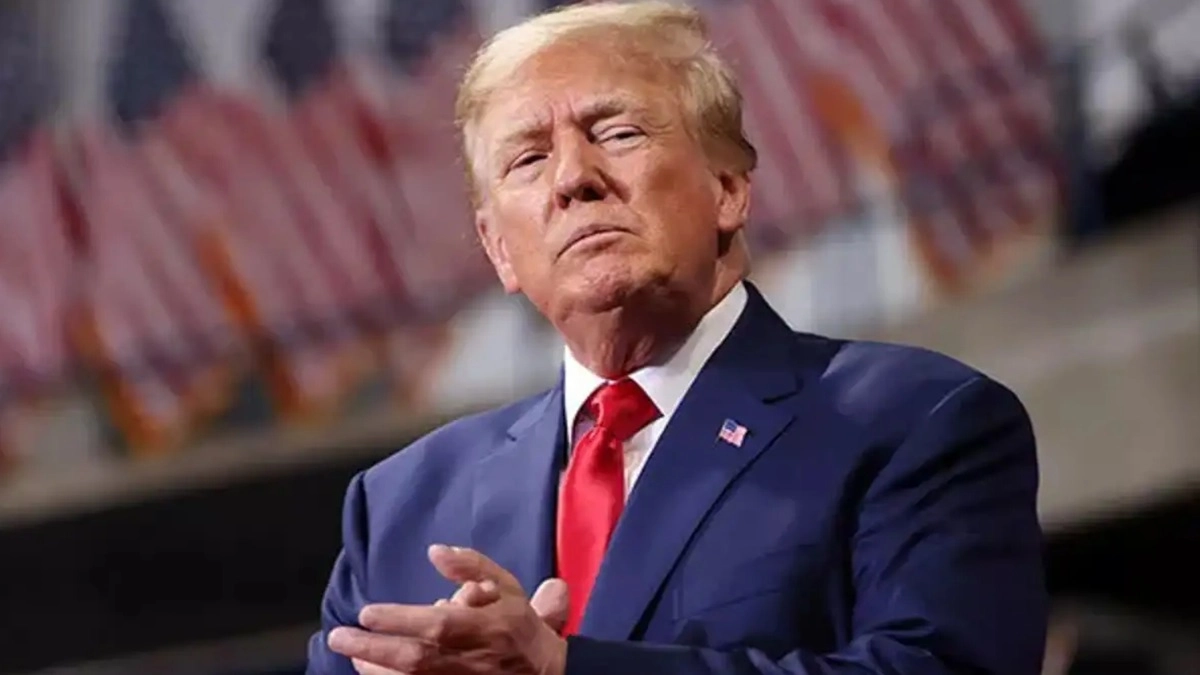
President Donald Trump stated that the U.S. military campaign in Iran could conclude within two to three weeks, asserting that the mission is nearing completion. This announcement comes amid escalating regional tensions, significant disruptions to global energy markets, and a complex geopolitical landscape involving Iran, Israel, and various international actors. The duration of the conflict and the specific conditions for withdrawal remain subjects of ongoing discussion and analysis.
Key Highlights
- Trump claims US military operations in Iran will end in 2-3 weeks.
- Conflict has caused significant disruption to global energy markets.
- US and Israeli forces have inflicted damage on Iran's military.
- Geopolitical landscape remains complex with ongoing regional tensions.
- No clear exit strategy or political conditions for ending hostilities specified.
President Donald Trump announced that the United States is on the verge of concluding its military operations in Iran, stating that the U.S. could be "leaving very soon" within "two weeks, maybe two weeks, maybe three." He conveyed that the mission is nearing completion and that American forces have achieved "overwhelming victories." These remarks were made in the context of an ongoing conflict that has already lasted over a month, significantly disrupting global energy markets and reshaping the geopolitical landscape of the Middle East.
The "Operation Epic Fury" or "The 12-Day War" as it has been referred to in some reports, began on February 28, 2026, with coordinated strikes by the United States and Israel targeting sites across Iran. The stated goals of this operation included disabling Iran's nuclear efforts, disarming its ballistic missile capabilities, and prompting a change in its government leadership. US intelligence estimates suggest that a significant portion of Iran's missile and drone capabilities have been destroyed or damaged.
However, the conflict has also led to severe economic repercussions, with oil prices surging and concerns mounting about the stability of global energy supplies, particularly concerning the Strait of Hormuz. Gas prices in the U.S. have crossed the $4 a gallon mark for the first time in nearly four years. The war's economic impact has been felt globally, with Asian markets showing volatility and European inflation rising.
Despite Trump's assertions of nearing victory, the situation remains complex. Iran's military has dismissed the U.S. assessment of its capabilities as "incomplete" and has promised further retaliation. Regional stability is precarious, with a US Embassy in Baghdad issuing warnings of potential attacks by Iran-aligned militias.
Diplomatic efforts and negotiations appear to be ongoing, though Iran has denied claims of requesting a ceasefire. The U.S. has reportedly offered Iran a framework for ending the conflict, which included demands such as the surrender of its stockpile of highly enriched uranium. However, Iran has declined such proposals.
Analysts have noted contradictions in Trump's messaging, with declarations of success juxtaposed with threats of intensified military action. The U.S. strategy has been described as having diverging priorities with Israel, which favors more maximalist outcomes like Iranian regime collapse. The lack of a clearly defined exit strategy or specific political/military conditions for ending hostilities has raised questions about the long-term trajectory of U.S. involvement.
Historically, U.S.-Iran relations have been fraught with tension since the 1979 revolution, marked by sanctions and a lack of formal diplomatic ties. The Trump administration previously pursued a "maximum pressure" campaign, withdrawing from the Joint Comprehensive Plan of Action (JCPOA) and reimposing sanctions.
This current conflict represents a significant escalation, with implications for global markets, regional security, and international alliances. India has been noted as attending UK talks on the Strait of Hormuz, indicating the global reach of the conflict's impact.
The article suggests that Trump is facing domestic pressure to end the war, especially with mid-term elections approaching, and that his pronouncements might be influenced by these political considerations. The administration's rhetoric has also drawn strong reactions, with the Iranian consulate in Mumbai criticizing statements like "back to the Stone Age" as indicative of a shifting agenda.
Frequently Asked Questions
When did the US military operations in Iran begin?
The US and Israel began launching attacks against various targets in Iran on February 28, 2026, referring to the campaign as 'major combat operations.'
What are the main impacts of the US-Iran conflict?
The conflict has caused significant disruptions to global energy markets, leading to surging oil and gas prices. It has also heightened geopolitical tensions in the Middle East and raised concerns about regional stability.
Has the US offered any terms for ending the war?
Yes, the US has reportedly offered a framework to end the conflict, which included demands such as the surrender of Iran's stockpile of highly enriched uranium. However, Iran has declined such proposals.