LPG Cylinder Shortage: India Urges Commercial Users to Switch to PNG
India is experiencing an LPG cylinder shortage, prompting commercial users to consider switching to PNG. Companies are offering incentives for this transition amidst reports of black marketing and hoarding of cylinders.
Key Highlights
- LPG cylinder shortage affects commercial users nationwide.
- PNG is promoted as an alternative with incentives.
- Black marketing and hoarding of LPG cylinders are being addressed.
- Raids and seizures of illegally stored cylinders are ongoing.
- Government is taking strict action against hoarders.
India is grappling with a significant shortage of Liquefied Petroleum Gas (LPG) cylinders, particularly impacting commercial users. In response, authorities and companies are actively urging commercial LPG consumers to transition to Piped Natural Gas (PNG) as a viable alternative. To facilitate this shift, oil marketing companies are reportedly offering incentives to encourage the adoption of PNG. This move comes at a time when reports of black marketing and hoarding of LPG cylinders are surfacing across various parts of the country, indicating a strain on supply chains and distribution networks.
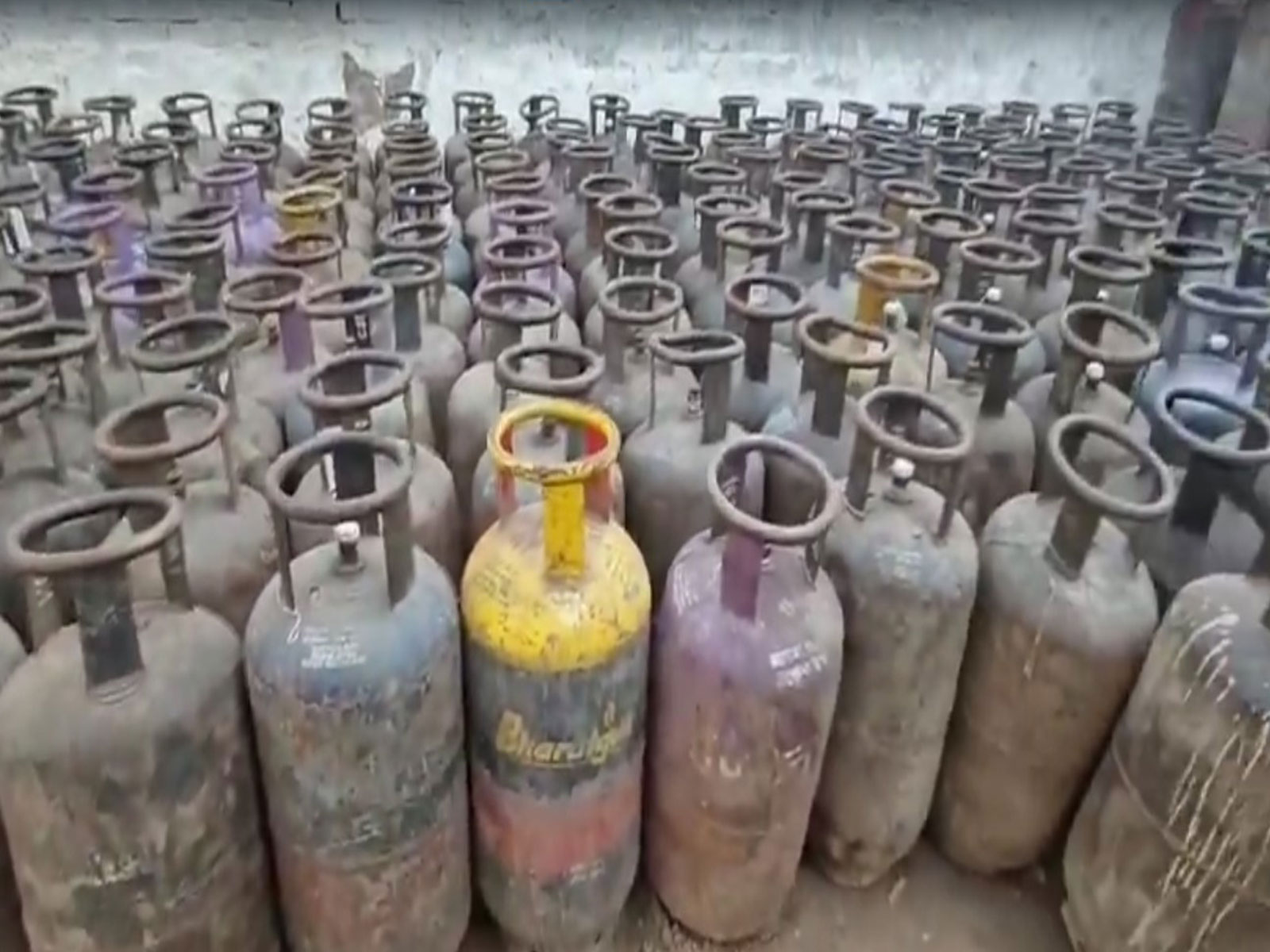
Several incidents highlight the severity of the issue. In Bareilly, a raid led to the seizure of 22 LPG cylinders amidst complaints of black marketing. Similarly, the Delhi Crime Branch successfully busted an illegal LPG storage facility in Mundka, confiscating 610 gas cylinders. These actions underscore a concerted effort by law enforcement agencies to curb illegal activities related to LPG distribution.
The Gujarat in-charge DGP has vowed to take strict action against LPG cylinder hoarders and black marketeers, signaling a zero-tolerance policy towards such malpractices. In Amritsar, administrative and police teams conducted joint raids on LPG godowns, further emphasizing the ongoing crackdown. These coordinated efforts aim to ensure equitable distribution and prevent artificial scarcity being created through illicit means.
The shortage itself points to a complex interplay of factors, potentially including increased demand, logistical challenges, and disruptions in supply. The government's push towards PNG for commercial entities is a strategic move to diversify energy sources and alleviate pressure on the LPG distribution system. PNG, being a piped supply, offers a more consistent and reliable source for businesses with high energy consumption, such as restaurants and industrial units.
While the specific incentives offered by companies for switching to PNG are not detailed in the initial reports, they are likely to include subsidies on connection charges, installation, or potentially lower per-unit costs to make the transition financially attractive. The availability and accessibility of PNG infrastructure would be a key determinant of the success of this transition strategy, especially in areas where PNG networks are not yet widespread.
The related news articles indicate a systemic problem of hoarding and black marketing, which exacerbates the supply shortage. The authorities are deploying a two-pronged approach: addressing the immediate supply-demand gap by promoting alternatives like PNG and simultaneously cracking down on illegal activities that contribute to the artificial scarcity. The success of these measures will be crucial in ensuring the stability of energy supply for both domestic and commercial consumers across India.
The long-term implications of this shortage and the proposed solutions could influence India's energy landscape. A successful shift towards PNG for commercial users might free up more LPG cylinders for domestic consumption, addressing another critical aspect of the energy crisis. However, the logistical and infrastructural challenges associated with expanding PNG networks need to be addressed proactively. The ongoing raids and arrests suggest that authorities are taking a serious stance against those exploiting the situation for illicit gains. The public's cooperation in reporting instances of black marketing and hoarding will also be vital in ensuring the effectiveness of these enforcement measures. The government's commitment to transparency and fair distribution of essential commodities like LPG will be tested in the coming weeks and months as it navigates this period of scarcity. The situation demands continuous monitoring and adaptive strategies to ensure energy security for all citizens.
Frequently Asked Questions
Why is there an LPG cylinder shortage in India?
The exact reasons for the shortage are multifaceted, potentially including increased demand, logistical challenges in distribution, and disruptions in supply chains. Reports also indicate that black marketing and hoarding are exacerbating the scarcity.
What is PNG and why is it being suggested as an alternative to LPG?
PNG stands for Piped Natural Gas. It's being promoted as an alternative for commercial users because it offers a more consistent and reliable supply through pipelines, which can be beneficial for businesses with high energy needs, thereby easing pressure on LPG distribution.
What actions are being taken against black marketing and hoarding of LPG cylinders?
Authorities across India are conducting raids on illegal storage facilities and godowns, seizing hoarded cylinders, and vowing strict action against those involved in black marketing and hoarding. Law enforcement agencies are actively working to curb these malpractices.
Are there any incentives for switching from LPG to PNG?
Yes, oil marketing companies are reportedly offering incentives to encourage commercial LPG users to transition to PNG. These incentives aim to make the switch financially attractive for businesses.