DR Congo Ebola Cases Surge to 782, Spreading to More Health Zones
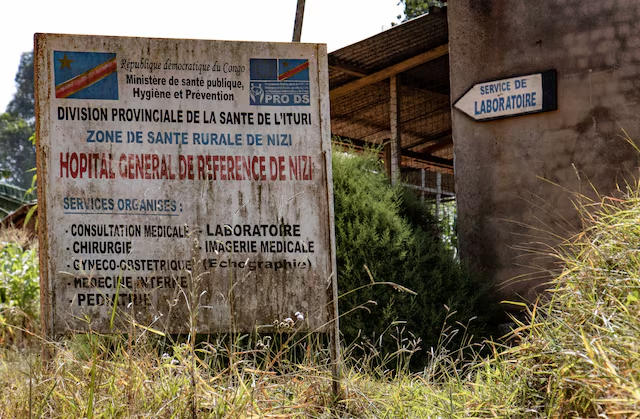
The Ebola outbreak in the Democratic Republic of Congo has escalated, with confirmed cases reaching 782 and 178 deaths. The virus has now spread to two additional health zones, impacting a total of 31 zones across three provinces: Ituri, North Kivu, and South Kivu. Response efforts face challenges including low contact tracing follow-up rates and a significant funding gap.
Key Highlights
- Ebola cases in DRC climb to 782 with 178 fatalities.
- Outbreak now affects 31 health zones across three provinces.
- Two new health zones, Nia-Nia and Mabalako, have been affected.
- Contact tracing follow-up rate is below the target of 95%.
- A funding gap of $21.5 million hinders response efforts.
- Bundibugyo virus strain is causing the current outbreak.
The Ebola outbreak in the Democratic Republic of the Congo (DRC) continues its alarming spread, with the number of confirmed cases rising to 782, including 178 deaths, as reported in the latest situation update. This significant increase is accompanied by the virus's expansion into two additional health zones: Nia-Nia in Ituri and Mabalako in North Kivu. These new areas bring the total number of affected health zones to 31, spanning across three critical provinces: Ituri, North Kivu, and South Kivu. A health zone is defined as a local public health management unit responsible for surveillance, case reporting, and response coordination [10, 12].
The outbreak, caused by the Bundibugyo Ebola virus, was officially declared on May 15, 2026 [10, 12]. As of Saturday, 359 patients were reportedly in isolation or hospitalized, while 40 patients had recovered. Additionally, authorities reported 136 suspected cases, with 49 deaths among them [10]. The situation report also highlights ongoing challenges in containing the virus. A total of 6,275 contacts were under follow-up in the affected provinces, but only 3,548 have been reached, resulting in a contact follow-up rate of 56.5 percent. This figure falls significantly below the crucial 95 percent target necessary for effective outbreak control [10, 12].
Several other challenges are impeding the response efforts. These include a reluctance among some community members to undergo post-mortem swabbing, insufficient capacity within existing Ebola treatment centers, weak contact tracing mechanisms, shortages of essential infection prevention and control materials, particularly in North Kivu, and a general weakness in alert reporting systems. Compounding these issues is a substantial funding gap of 21.5 million U.S. dollars, which is hindering the comprehensive implementation of necessary interventions [10, 12].
The Bundibugyo strain of the Ebola virus, responsible for this outbreak, is particularly concerning as there is no specific vaccine currently available for it, although research into potential candidates is ongoing [15, 19]. The case fatality rate for this strain has historically ranged from approximately 30 percent to 50 percent in previous outbreaks [17]. The complexity of the situation is further exacerbated by the challenging context in eastern DRC, which includes ongoing conflict, a significant humanitarian crisis, population displacement, and high levels of cross-border movement, all of which can facilitate the rapid spread of the virus [7, 18, 19, 22].
Neighboring Uganda has also reported cases linked to this outbreak, with 19 confirmed cases and two deaths as of June 11, 2026 [3, 4]. These cases in Uganda are epidemiologically linked to transmission originating in the DRC, with evidence of both imported infections and secondary transmission among contacts and healthcare workers [3, 4]. The World Health Organization (WHO) has declared the outbreak a Public Health Emergency of International Concern (PHEIC), underscoring the regional and global health security implications [17, 21].
Efforts to contain the outbreak involve a multi-pronged approach, including contact tracing, vaccination campaigns (where applicable for certain strains or in specific contexts), patient treatment in isolation units, and robust surveillance [16]. International partners, including the WHO and the Africa Centers for Disease Control and Prevention (Africa CDC), are providing support and expertise to the DRC's health authorities [4, 15, 17, 18, 19, 20]. The risk assessment by the WHO categorizes the risk as very high at the national level in the DRC, high at the regional level, and low globally [18].
The article originates from Global Times, a Chinese state-affiliated media outlet. While it reports on factual numbers related to the Ebola outbreak, its primary focus and framing may align with Chinese foreign policy interests. The provided statistics for confirmed cases (782) and deaths (178) on June 15, 2026, are consistent across multiple reputable sources, including CDC and various news agencies reporting on WHO and DRC health ministry data [5, 10, 12, 16]. The identification of the Bundibugyo virus strain and its spread across Ituri, North Kivu, and South Kivu provinces are also corroborated [3, 4, 10, 12]. However, the specific phrasing and emphasis can differ between outlets. The Global Times article directly states the case numbers and the spread to two more health zones, which is factually supported.
Frequently Asked Questions
What is the current number of confirmed Ebola cases and deaths in the Democratic Republic of Congo?
As of June 15, 2026, there are 782 confirmed Ebola cases and 178 deaths reported in the Democratic Republic of Congo (DRC).
Which virus strain is causing the current Ebola outbreak in the DRC?
The current Ebola outbreak in the DRC is caused by the Bundibugyo virus strain.
How many health zones are affected by the Ebola outbreak in the DRC?
The outbreak has spread to 31 health zones across three provinces: Ituri, North Kivu, and South Kivu.
What are the main challenges in controlling the Ebola outbreak in the DRC?
Key challenges include a low contact tracing follow-up rate (56.5%), reluctance for post-mortem swabbing, insufficient treatment center capacity, weak contact tracing, shortages of infection prevention materials, weak alert reporting, and a significant funding gap of $21.5 million.
Has the Ebola outbreak spread to neighboring countries?
Yes, Uganda has reported 19 confirmed cases and two deaths linked to the outbreak, with cases showing epidemiological links to transmission originating in the DRC.