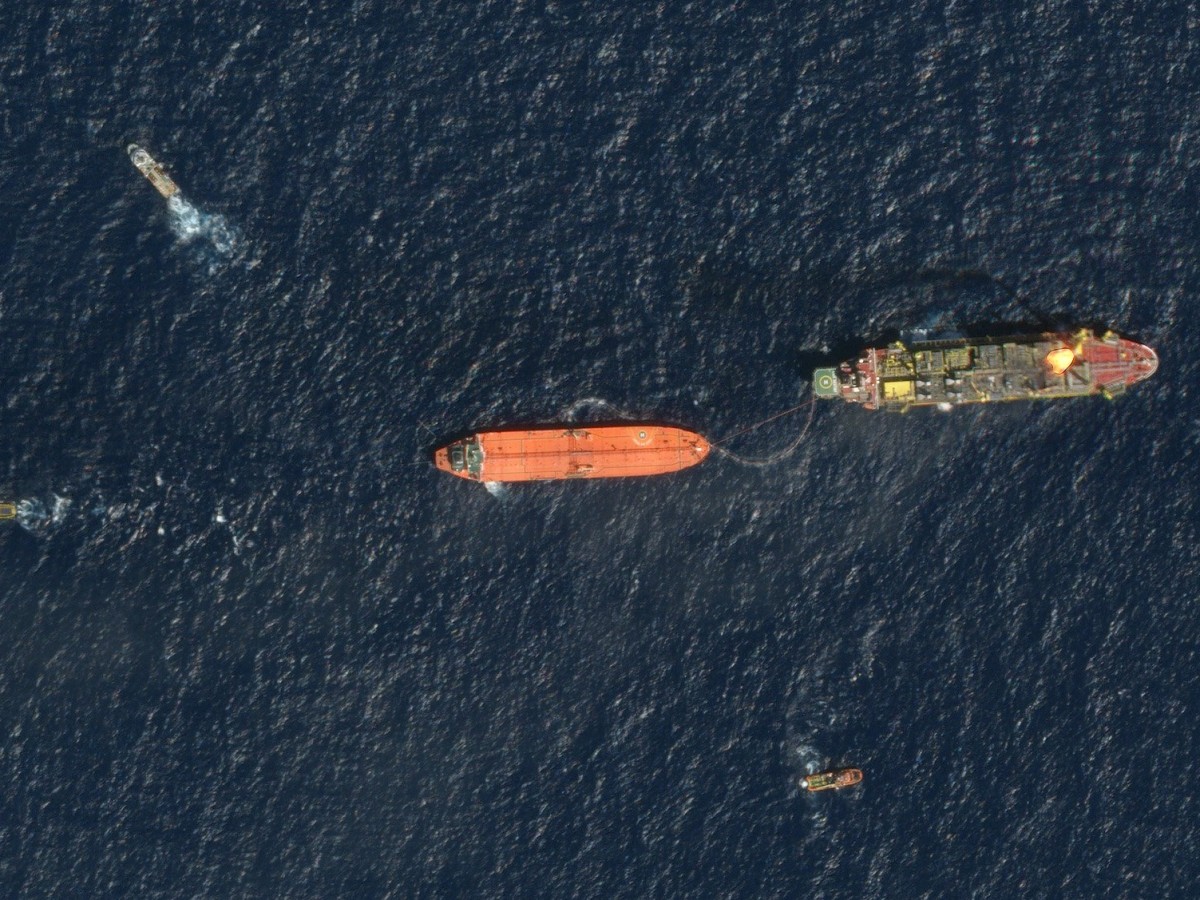
Global Oil Below $100 Despite Hormuz Blockade: Key Reasons
Despite the unprecedented supply shock from the Strait of Hormuz blockage amidst US-Iran tensions, global crude oil prices have surprisingly remained below $100 a barrel, defying forecasts of $200. This resilience is attributed to record US oil exports, a significant decline in Chinese demand, coordinated strategic reserve releases, and the use of alternative shipping routes. These factors have absorbed much of the over 10 million barrels per day supply loss, preventing a wider economic catastrophe.
Key Highlights
- Strait of Hormuz blockage created historic oil supply shock.
- Oil prices remain below $100/barrel, defying $200 forecasts.
- Record US oil exports are a key factor in stabilizing markets.
- Sharp drop in Chinese oil demand due to inventory and coal shift.
- Global strategic petroleum reserve releases mitigate supply loss.
- Alternative shipping routes and opaque movements sustained some flow.
The global oil market is currently navigating an unprecedented period of volatility, with crude prices surprisingly remaining below $100 a barrel, despite what many analysts are calling the 'biggest supply shock in history'. This defiance of earlier grim forecasts, which anticipated prices soaring to $200 a barrel or higher, is the central theme of a recent article by The Economic Times, published on June 06, 2026. The significant supply disruption stems from the effective blockage of the Strait of Hormuz, a critical maritime chokepoint, amidst an escalating conflict between the United States and Iran, which commenced in late February 2026.
The Strait of Hormuz, a narrow waterway between Iran and the Arabian Peninsula, is crucial for global oil trade, with approximately one-fifth of the world's seaborne oil passing through it. Its effective closure has led to a substantial reduction in Middle Eastern oil supply, estimated at over 10 million barrels per day (b/d), and in some assessments, as much as 14 million b/d, representing about 14% of projected 2026 global supply. Some sources even suggest the disruption is on the order of 20% of global oil supply. Historically, warnings about the closure of the Strait of Hormuz have consistently pointed to a potential global economic catastrophe. However, the actual impact on crude prices has been mitigated by a confluence of factors.
One primary reason for oil's unexpected stability is the **record volume of US oil exports**. The United States has emerged as a crucial 'swing supplier' in the global market since initiating strikes on Iran in late February. American crude and fuel exports in May 2026 were more than 2 million barrels a day higher than the average for the entirety of last year, effectively helping to offset a significant portion of the lost supplies from the Middle East.
Concurrently, a **sharp and unexpected slowdown in Chinese oil demand** has played a vital role. China, the world's largest crude importer, drastically cut its inbound shipments by almost 40% in May 2026 compared to last year's average, according to data from Vortexa Ltd. This reduction in demand is partly attributed to China halting the expansion of its massive strategic oil stockpile, which had grown considerably in recent years. Additionally, China's pivot towards producing chemicals from raw materials like coal instead of oil has further curtailed its crude consumption. The decline in Chinese demand alone is estimated to offset anywhere between one-third and one-fifth of the barrels lost due to the conflict.
Furthermore, **coordinated releases from strategic petroleum reserves (SPRs) by governments worldwide** have provided a significant buffer against the supply shock. The US administration, for instance, pledged to release 172 million barrels from its Strategic Petroleum Reserve as part of a broader, concerted effort by advanced economies to stabilize markets. These releases have been implemented at a rapid pace, with the US stockpile declining by as much as 1.4 million barrels a day in one week during May. The International Energy Agency (IEA) also announced emergency releases, with Germany agreeing to release approximately 2.5 million tonnes of oil from its strategic stocks under a larger initiative. Studies have shown that SPR releases can lower oil prices, providing meaningful benefits to consumers.
**Alternative shipping routes and continued, albeit often opaque, movements of crude** have also contributed to maintaining supply flows. While the Strait of Hormuz remains effectively blocked, Gulf producers have rerouted some shipments through other export channels. Moreover, some tankers have continued to transport cargoes via the Strait despite the inherent risks, employing increasingly discreet methods to circumvent military threats.
Finally, a **pre-existing global oil surplus** before the onset of the US-Iran conflict helped absorb the initial blow. Markets had also anticipated and priced in some level of geopolitical risk and military escalation, which cushioned the immediate price impact.
Despite these mitigating factors, the situation remains precarious. Global oil inventories are drawing down at an accelerated pace, leaving the market increasingly susceptible to further disruptions. With spare supplies dwindling, even minor outages could trigger severe price spikes. While crude oil prices have remained below $100, the conflict has had a more pronounced impact on refined products like diesel and jet fuel, which have seen significantly higher year-over-year price increases compared to gasoline. This is partly because Middle Eastern crude yields more of these products, and the region supplied a substantial portion of seaborne jet fuel before the conflict.
For India, a major oil importer, the stability in global crude prices is crucial. However, the ongoing West Asia crisis is still exerting upward pressure on fuel prices, impacting household budgets. The IEA and OPEC continue to monitor and forecast global oil demand and supply trends, with expectations of a gradual rebalancing once shipping through the Strait of Hormuz resumes. However, the timeline for such a resolution remains the biggest wild card for the global economy.
Frequently Asked Questions
What is the 'biggest supply shock in history' referred to in the article?
The 'biggest supply shock in history' refers to the effective blockage of the Strait of Hormuz, a crucial shipping lane, due to an ongoing conflict between the United States and Iran that began in late February 2026. This has significantly curtailed oil supplies from the Middle East.
Why haven't oil prices reached $200 a barrel despite this major supply disruption?
Oil prices have remained below $100 a barrel due to several factors: record crude and fuel exports from the United States, a substantial and unexpected drop in oil demand from China, coordinated releases from global strategic petroleum reserves, the utilization of alternative shipping routes by some producers, and a pre-existing surplus in global oil supply.
How has China contributed to stabilizing oil prices?
China, as the world's largest oil importer, significantly reduced its inbound shipments by almost 40% in May 2026. This reduction is partly because China has stopped expanding its strategic oil stockpiles and is increasingly pivoting towards producing chemicals from coal instead of oil, thereby lowering its crude consumption.
What role have Strategic Petroleum Reserves (SPRs) played?
Governments globally, including the US, have undertaken historic releases from their Strategic Petroleum Reserves. The US, for example, pledged to release 172 million barrels, and these releases have helped to inject additional supply into the market, mitigating the impact of the lost Middle Eastern crude.
What are the future prospects for oil prices amidst this conflict?
While prices are currently below $100, the situation remains volatile. Global oil inventories are depleting rapidly, making the market vulnerable to future disruptions. The ongoing nature of the conflict and the uncertainty surrounding the resumption of full traffic through the Strait of Hormuz are key factors that could lead to sharp price spikes in the future.