Iran, Pakistan Discuss US Messages Amid Ceasefire; Second Talks Likely
Pakistani and Iranian officials are holding critical talks today in Tehran to convey and discuss messages from the United States, aiming to revive stalled negotiations and extend a fragile ceasefire in the ongoing Iran-US conflict. These diplomatic efforts follow failed talks in Islamabad and seek a path towards a broader peace agreement.
Key Highlights
- Pakistani Army Chief Asim Munir leads delegation to Tehran for US message discussions.
- Talks aim to revive stalled US-Iran negotiations after previous failure in Islamabad.
- Fragile two-week ceasefire between US and Iran is set to expire on April 22.
- White House indicates future US-Iran peace talks are likely to be held in Islamabad.
- Key sticking points include Iran's nuclear program and the Strait of Hormuz.
- US has imposed a naval blockade on Iranian ports, met with Iranian threats to Red Sea trade.
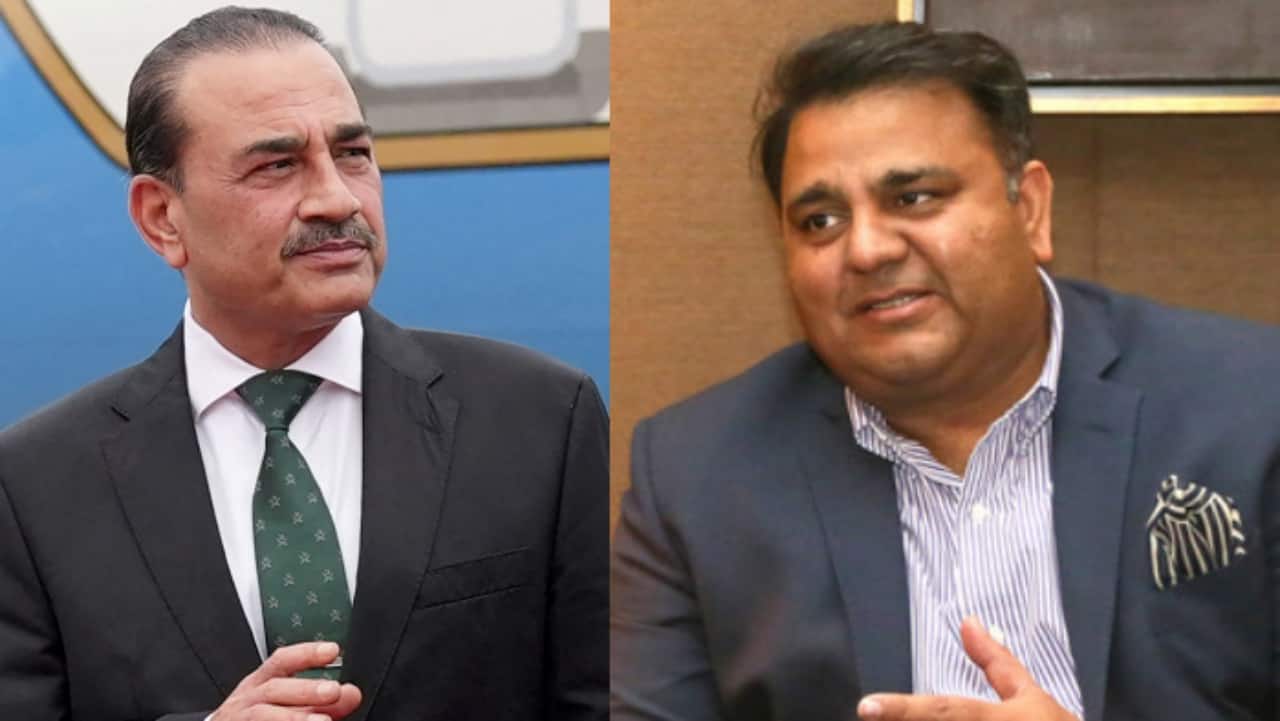
In a significant diplomatic push to de-escalate the ongoing '2026 Iran war,' Pakistani and Iranian officials are holding crucial discussions in Tehran today, April 16, 2026, regarding messages from the United States. The Pakistani delegation, led by Army Chief General Asim Munir and including Interior Minister Mohsin Naqvi, arrived in the Iranian capital to facilitate dialogue following the inconclusive 'Islamabad Talks' held last weekend between US and Iranian representatives.
These high-level meetings are part of Pakistan's intensified mediation efforts, which have seen Islamabad emerge as a key intermediary between Washington and Tehran. White House Press Secretary Karoline Leavitt has publicly acknowledged Pakistan's "incredible" role and indicated that a second round of US-Iran negotiations is "very likely" to take place in Islamabad, though no definitive date or American delegation leader has been announced. Iranian Foreign Minister Abbas Araghchi welcomed General Munir to Tehran, expressing gratitude for Pakistan's role in hosting previous discussions and emphasizing a shared commitment to regional peace.
The broader context for these talks is the '2026 Iran war,' which commenced on February 28, 2026, with joint US and Israeli airstrikes on Iran, targeting military and government sites, and leading to Iranian retaliation. A temporary two-week ceasefire, also mediated by Pakistan, was agreed upon on April 8, 2026, and is set to expire on April 22. Both sides have reportedly violated this ceasefire.
Key sticking points that led to the failure of the initial Islamabad Talks include Iran's nuclear program, the control and opening of the Strait of Hormuz, and compensation for wartime damages. The United States insists on Iran's permanent abstention from a nuclear weapons program and the full reopening of the Strait of Hormuz, a vital global oil transit chokepoint. Iran, while open to discussing the scope of its uranium enrichment, maintains its right to peaceful nuclear energy and demands sanctions relief as part of any settlement.
Adding to the complexities, the US imposed a naval blockade on Iranian ports starting April 13, following the breakdown of the initial peace talks. This blockade aims to halt Iran's maritime trade, with US Central Command reporting its full implementation. In response, Iran has threatened to shut down Red Sea trade routes if the US naval blockade is not lifted, further escalating tensions and highlighting the global economic risks associated with the conflict. International bodies, including the IMF, have warned of a potential global recession if disruptions to energy supplies continue.
Despite the ongoing tensions and unresolved differences, both Washington and Tehran continue to exchange messages through Pakistani channels. US President Donald Trump has expressed optimism that the war could be 'very close to over' and that a deal might be reached, even hinting at a potential timeframe for an agreement. However, Iranian officials remain cautious, emphasizing that no agreement has been reached on extending the current ceasefire and rejecting media speculation. The diplomatic efforts underscore the critical need to find a lasting solution to a conflict that has already had significant regional and global ramifications. The outcome of these ongoing discussions will be crucial in determining whether the ceasefire can be extended and if a more comprehensive peace agreement can be forged to end the '2026 Iran war'.
Frequently Asked Questions
What is the primary purpose of the ongoing discussions between Iranian and Pakistani officials?
The primary purpose of the discussions between Iranian and Pakistani officials in Tehran is to convey and discuss messages from the United States, aiming to revive stalled peace negotiations and potentially extend the existing two-week ceasefire in the '2026 Iran war'.
When did the '2026 Iran war' begin, and what is its current status?
The '2026 Iran war' began on February 28, 2026, with joint US and Israeli airstrikes on Iran. Currently, a temporary two-week ceasefire, mediated by Pakistan, has been in effect since April 8, 2026, and is scheduled to expire on April 22, 2026.
What are the main obstacles to a peace agreement between the US and Iran?
The main obstacles to a peace agreement include disagreements over Iran's nuclear program, the control and reopening of the Strait of Hormuz, and demands for wartime reparations.
What role is Pakistan playing in the US-Iran conflict?
Pakistan has emerged as a crucial mediator, facilitating indirect talks and conveying messages between the United States and Iran. It has hosted initial talks and is expected to host future rounds of negotiations.
What are the global economic implications of the current tensions?
The conflict, particularly the US naval blockade of Iranian ports and Iran's threats to Red Sea trade, poses significant risks to the global economy. The International Monetary Fund (IMF) has warned of a potential global recession if energy supply disruptions continue and oil prices remain high.