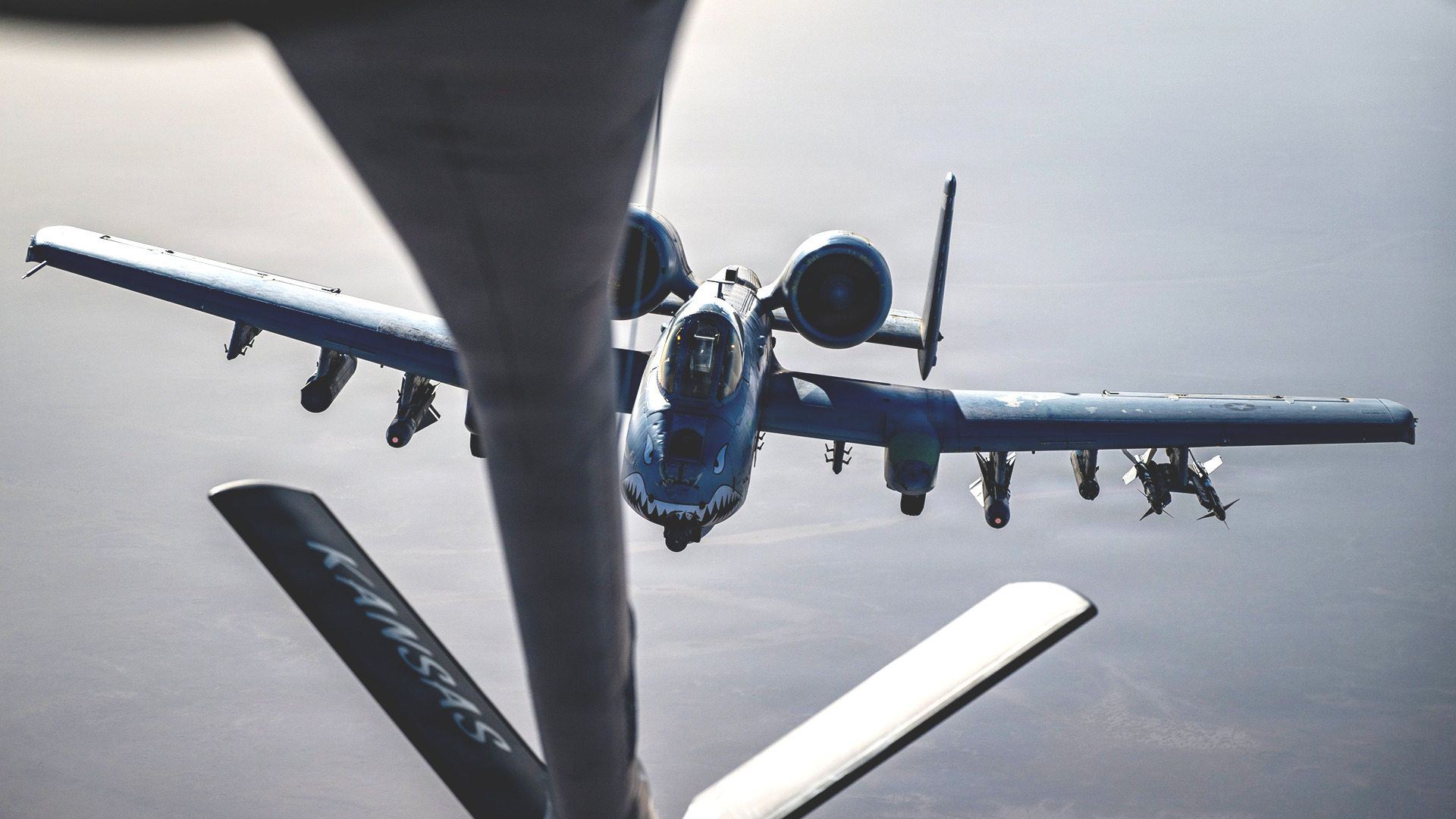
US Jets Strike Iranian Military Sites Near Chabahar Amid Escalating Conflict
US fighter jets have reportedly targeted military facilities near Iran's Chabahar Free Trade Zone. Intense explosions were heard in the area, marking a new phase in the ongoing US-Iran conflict. The Chabahar port's strategic importance for India's trade routes is noted, with assurances that the India-funded terminal was not hit.
Key Highlights
- US jets reportedly struck military facilities near Iran's Chabahar Free Trade Zone.
- Explosions were heard in the mountainous area behind the trade zone.
- The strikes are part of an escalating US-Iran conflict that began on February 28, 2026.
- India's Chabahar port, vital for trade, was reportedly not damaged.
- The conflict has significantly impacted global shipping and oil prices.
In a significant escalation of the ongoing conflict in the Middle East, U.S. fighter jets have reportedly conducted airstrikes targeting military facilities located near Iran's Chabahar Free Trade Zone. The strikes, which occurred on or around March 16, 2026, were accompanied by reports of intense explosions heard in the mountainous terrain behind the strategically important trade hub. The incident marks a new theatre in the wider war between the United States and Iran, which appears to have intensified following coordinated U.S.-Israeli airstrikes on February 28, 2026, that reportedly resulted in the death of Iran's Supreme Leader Ali Khamenei.
The Chabahar Free Trade Zone, situated in Iran's southeastern Sistan and Baluchestan Province near the border with Pakistan, is a crucial transit and industrial center for Iran. For India, the Chabahar Port, located within this zone and developed with Indian investment, holds significant strategic importance. It serves as a vital alternative trade route for Indian goods to reach landlocked Afghanistan and Central Asian nations, bypassing traditional routes through Pakistan. Reports indicate that the India-funded Shahid Beheshti Terminal at Chabahar Port was not affected by the recent strikes.
The broader conflict, which has been ongoing for several weeks, has had a profound impact on global stability. Shipping through the Strait of Hormuz has been severely disrupted, leading to a sharp rise in oil prices, with crude oil prices reportedly soaring over $100 a barrel. The economic repercussions have been felt worldwide, contributing to a global energy crisis.
While the immediate claims originated from reports by Voice of America's Persian-language service, the news was widely covered by various international and Indian media outlets, including Hindustan Times, Zee News, and India Today. The accuracy of reports from these sources is generally considered reliable, though their editorial stances and biases have been noted. Hindustan Times, for instance, has been rated as left-leaning and questionable by some sources due to its sourcing and occasional promotion of propaganda, while also being recognized for low bias in international reporting. India Today has been rated as Right-Center biased with mixed factual reporting, often favoring the current conservative government. Zee News has been consistently described as a right-wing, pro-BJP channel with a history of broadcasting fabricated news stories and facing controversies.
The situation remains fluid, with ongoing military activities and diplomatic responses shaping the region's landscape. The U.S. has conducted extensive military operations, including bombing raids on Iranian oil export hubs, though it has stated its objective was to target military infrastructure rather than civilian economic assets. Iran, in response, has engaged in retaliatory missile and drone strikes against U.S. assets and allied countries in the region. International efforts to de-escalate the conflict and secure vital shipping lanes, such as the Strait of Hormuz, are underway, with various countries contributing naval assets. The economic and geopolitical implications of this escalating conflict continue to be a major concern for the global community.
Frequently Asked Questions
What is the Chabahar Free Trade Zone and why is it significant?
The Chabahar Free Trade Zone is a key economic and transit hub in southeastern Iran, located near the border with Pakistan. It is significant for Iran as a center for trade and industry, and for India as a crucial gateway for trade with Afghanistan and Central Asia, offering an alternative to routes through Pakistan.
What is the broader context of the U.S. strikes near Chabahar?
The strikes are part of a wider and escalating military conflict between the United States and Iran, which began on February 28, 2026. This conflict has involved airstrikes, missile launches, and disruptions to global trade, particularly in the Strait of Hormuz.
Was the India-funded Chabahar Port damaged in the airstrikes?
Reports indicate that while military facilities near the Chabahar Free Trade Zone were targeted, the India-funded Shahid Beheshti Terminal at Chabahar Port was not hit and remained unaffected by the strikes.
What impact has the US-Iran conflict had on global markets?
The ongoing conflict has severely disrupted shipping in the Strait of Hormuz, leading to a significant surge in global oil prices, reportedly over $100 a barrel, and contributing to a global energy crisis.