Cockroach Janta Party Protest: Education Minister Pradhan Resigns Amid NEET Row
The 'Cockroach Janta Party' (CJP) led a multi-week protest at Jantar Mantar, Delhi, demanding Union Education Minister Dharmendra Pradhan's resignation over alleged NEET exam irregularities. The movement, born from satirical origins, garnered massive youth support, alleging police interference and ultimately securing Pradhan's resignation after 37 days.
Key Highlights
- CJP, a satirical youth movement, protested NEET exam irregularities.
- Protest at Jantar Mantar demanded Education Minister Dharmendra Pradhan's resignation.
- Delhi Police faced allegations of disrupting the protest site.
- The 'Chalo Sansad' march saw police action, injuries, and FIRs.
- Dharmendra Pradhan resigned on July 25, 2026, after 37 days of protests.
- Government agreed to key CJP demands, including compensation and FIR withdrawal.
The news article from The Times of India, published on June 23, 2026, highlighted the fourth day of an escalating protest led by the 'Cockroach Janta Party' (CJP) at Jantar Mantar, Delhi. The report accurately captured the essence of the movement, which saw 'Cockroaches' – a satirical reference to the CJP members – voicing 'sadda haq' (our right) amid alleged disruptions by the Delhi Police and a persistent demand for the resignation of Union Education Minister Dharmendra Pradhan.
The 'Cockroach Janta Party' (CJP) emerged as a significant youth-led satirical political movement, founded on May 16, 2026, by political communications strategist Abhijeet Dipke. The name itself was adopted as a defiant response to remarks made by Chief Justice of India Surya Kant on May 15, 2026, who reportedly referred to unemployed youth and certain activists as 'cockroaches' and 'parasites'. This sparked widespread public outrage and resonated deeply with India's Gen Z, who felt their frustrations were being dismissed. The movement rapidly gained immense online traction, amassing millions of followers on social media platforms, even surpassing established political parties like the BJP and Indian National Congress.
The protest, which commenced offline at Jantar Mantar on June 20, 2026, focused primarily on accountability for alleged irregularities and paper leaks in competitive examinations, most notably the National Eligibility cum Entrance Test (NEET-UG) 2026, and a flawed school-grading system, all under Minister Pradhan's purview. The CJP's core demand was the immediate resignation of Dharmendra Pradhan.
During the initial days, as reported by The Times of India, the CJP alleged that the Delhi Police attempted to interfere with their demonstration. These allegations included police attempts to shift barricades under the cover of darkness to reduce the protest site's area and to bring in a truck to further restrict the space. Protesters reportedly resisted these attempts, chanting slogans and singing songs like 'Sandeshe aate hain'.
The protest intensified significantly over the following weeks. Climate activist Sonam Wangchuk joined the agitation, embarking on an indefinite hunger strike, which drew national and international attention to the students' cause. On July 20, 2026, the CJP organized a 'Chalo Sansad' (March to Parliament) campaign, which unfortunately led to clashes with the Delhi Police. Reports indicated that police resorted to lathi-charge, tear gas, and even pellet guns, resulting in injuries to approximately 60 protesters, with at least one requiring intensive care. Delhi Police subsequently registered at least 15 FIRs against protesters, including charges of 'attempt to murder' in some cases. The police were also accused of unlawfully detaining citizens, blocking access to food, water, and medical supplies at Jantar Mantar, creating an 'atmosphere of fear and siege' around the protest site.
The CJP expanded its demands to include the withdrawal of FIRs against peaceful protesters and compensation of ₹1 crore for the families of students who died by suicide due to the NEET paper leak. Despite the police action and government pressure, the protesters remained resolute, highlighting a strong youth resolve against perceived governmental arrogance and unaccountability.
After 37 days of continuous protests, the movement achieved a significant breakthrough. On July 25, 2026, Union Education Minister Dharmendra Pradhan submitted his resignation to Prime Minister Narendra Modi, citing a desire to ensure that the country's youth do not become 'trapped in a web of confusion'. This resignation was widely hailed as a major victory for the students and the CJP.
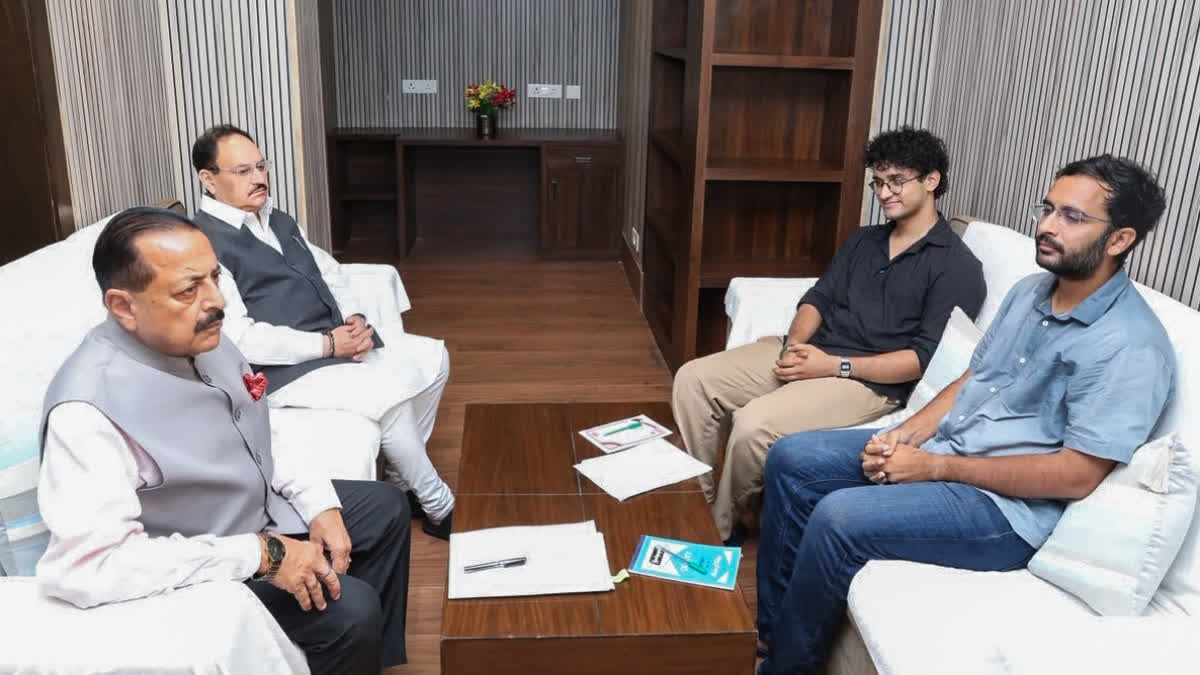
Following Pradhan's resignation, the CJP held multiple rounds of talks with Union Ministers JP Nadda and Jitendra Singh. A joint press conference announced the immediate withdrawal of the 37-day agitation, with the government agreeing to several key CJP demands, including suitable compensation for the families of NEET aspirants who died by suicide, and the withdrawal of FIRs registered against protesters across India. The CJP also stated that a five-point charter for broader educational reforms would be discussed in future meetings. The successful culmination of the CJP protest marked a critical moment in Indian politics, demonstrating the power of youth-led movements in demanding accountability and systemic reforms in the education sector.
Frequently Asked Questions
What is the Cockroach Janta Party (CJP)?
The Cockroach Janta Party (CJP) is an Indian youth-based satirical political movement founded by Abhijeet Dipke on May 16, 2026. It gained prominence by adopting the 'cockroach' moniker in defiance of remarks by the Chief Justice of India, becoming a major voice for student frustrations regarding examination irregularities.
Why did the CJP protest at Jantar Mantar?
The CJP protested at Jantar Mantar primarily to demand the resignation of Union Education Minister Dharmendra Pradhan. This demand stemmed from widespread allegations of paper leaks and irregularities in competitive examinations, particularly the NEET-UG 2026, which severely impacted millions of students.
What were the key demands of the CJP protest?
The main demands of the CJP protest were the resignation of Union Education Minister Dharmendra Pradhan, compensation of ₹1 crore for the families of students who died by suicide due to the NEET paper leak, and the withdrawal of all First Information Reports (FIRs) filed against peaceful student protesters.
What was the 'Delhi Police fiasco' mentioned in the article?
The 'Delhi Police fiasco' refers to allegations by the CJP that police attempted to disrupt their protest by shifting barricades to shrink the demonstration site, trying to bring in a truck, and later using force (lathi-charge, tear gas) during a 'Chalo Sansad' march. There were also reports of police detaining protesters and restricting access to essential supplies.
What was the outcome of the CJP protest?
The 37-day CJP protest concluded on July 25, 2026, with the resignation of Union Education Minister Dharmendra Pradhan. The government also agreed to key CJP demands, including providing compensation to affected families and withdrawing FIRs against protesters, marking a significant victory for the student movement.