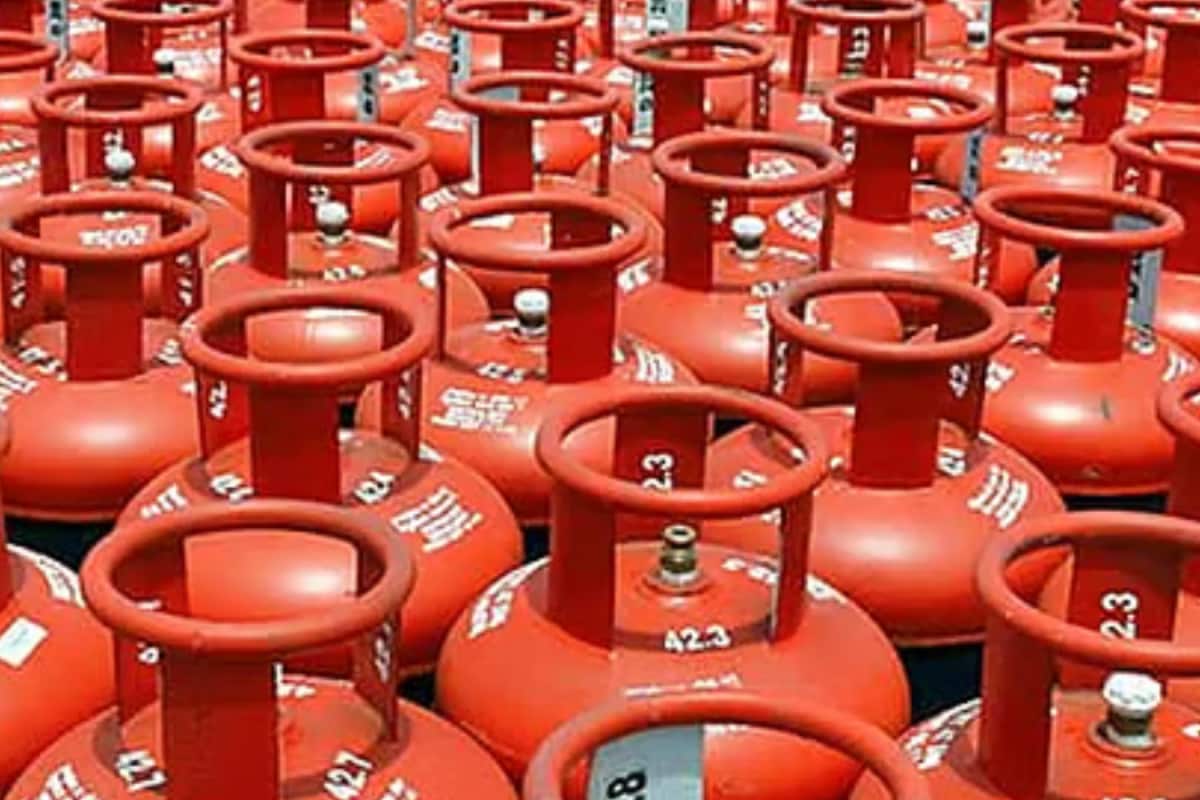
India's LPG Crisis: Indigenous Solution Awaits Policy Push Since 2020
India faces an LPG supply crunch due to geopolitical disruptions, impacting businesses and households. An indigenous technology for Dimethyl Ether (DME) as an LPG alternative has been ready since 2020 but requires policy support for widespread adoption. The government is boosting domestic production and exploring alternative import routes while promoting biofuels like Bio-CNG.
Key Highlights
- Geopolitical tensions disrupt India's LPG supply chain.
- Indigenous Dimethyl Ether (DME) technology offers an LPG alternative.
- Government aims to increase domestic LPG production and diversify imports.
- Bio-CNG and other biofuels are being promoted as sustainable energy sources.
- Policy support is crucial for scaling up indigenous energy solutions.
- Small businesses and restaurants are heavily impacted by LPG shortages.
India is currently grappling with a significant Liquefied Petroleum Gas (LPG) supply crunch, exacerbated by ongoing geopolitical disruptions in the West Asia region, particularly tensions involving Iran, Israel, and the US. This crisis has led to immediate and widespread impacts, including shortages of commercial LPG cylinders halting operations in cities across the country and a general prioritization of household supply. The situation highlights India's structural vulnerability, given its heavy reliance on LPG imports, with approximately 60-67% of its annual consumption of 31.3 million metric tonnes being imported, and over 90% of these imports transiting through the Strait of Hormuz.
The immediate response from the government has included directing refineries to maximize LPG output and sourcing alternative supplies from countries like the United States, Australia, and Algeria. However, simply rerouting supply does not resolve the underlying issue of import dependence. Moreover, there are complexities in the chemical composition of LPG from different sources; for instance, US LPG is predominantly propane-based, while India's cooking needs typically require a 60:40 butane-to-propane mix, which is better matched by Middle Eastern LPG derived from oil refining.
Amidst this crisis, an indigenous solution has been waiting in the wings since 2020: the Dimethyl Ether (DME) technology developed by CSIR-NCL. DME, which can be produced from methanol, is presented as a viable alternative to LPG. However, its widespread adoption is contingent upon the development of a robust methanol economy, the implementation of a blending mandate, and strong institutional will to scale up production. The current LPG crisis presents an opportune moment to accelerate the deployment of such indigenous technologies.
Beyond DME, India is actively promoting other sustainable alternatives to reduce its reliance on fossil fuels. The Ministry of Petroleum and Natural Gas has been instrumental in promoting Compressed Bio-Gas (CBG) through schemes like SATAT (Sustainable Alternative Towards Affordable Transportation) and GOBAR-Dhan (Galvanising Organic Bio-Agro Resources). CBG, produced from various waste and biomass sources like agricultural residue, municipal solid waste, and cattle dung, is chemically similar to natural gas and can be used as an automotive and industrial fuel. India has significant potential for Bio-CNG production, estimated at up to 62 million metric tonnes per year, which could substantially reduce dependence on imported natural gas and crude oil.
The government's proactive measures include increasing domestic LPG production, with reports indicating a 10-25% rise since the directive to ramp up output. A 25-day inter-booking period for domestic LPG cylinders has been implemented to manage demand, prevent hoarding, and ensure equitable distribution. Essential sectors like hospitals and educational institutions are prioritized for non-domestic supplies from imported LPG. A committee of three Executive Directors from Oil Marketing Companies (OMCs) has been formed to review representations for LPG supply to other non-domestic sectors like restaurants and industries.
The impact of the LPG shortage is acutely felt by small businesses, particularly in the food service sector. Restaurants, dhabas, and eateries are struggling to procure cylinders, leading to scaled-down operations, menu diversifications, and, in some cases, temporary shutdowns. The black market prices for LPG cylinders have surged significantly. This disruption also affects the livelihoods of delivery workers, with a drastic fall in daily orders reported.
In parallel, there's a growing interest in electric cooking alternatives like induction cooktops, though their affordability and practicality for all households, especially those with limited electricity access or relying on subsidies, remain considerations. The government's commitment to an 'Aatmanirbhar Bharat' (self-reliant India) in the energy sector is evident through initiatives promoting domestic production and alternative fuels, but the article underscores that indigenous solutions like DME require concrete policy backing and institutional will to move from demonstration readiness to widespread adoption.
The article suggests that the current crisis, while disruptive, could serve as a catalyst for India to finally embrace and scale up its indigenous energy alternatives, moving beyond managing immediate supply shocks to building long-term energy security.
Frequently Asked Questions
What is causing the current LPG shortage in India?
The current LPG shortage in India is primarily caused by geopolitical disruptions in West Asia, particularly tensions involving Iran, Israel, and the US, which have impacted global shipping routes crucial for LPG imports.
What indigenous solution does the article mention for India's LPG crisis?
The article highlights the Dimethyl Ether (DME) technology developed by CSIR-NCL, which has been demonstration-ready since 2020 as a potential indigenous alternative to LPG.
What steps is the Indian government taking to address the LPG shortage?
The government is increasing domestic LPG production, diversifying import sources, prioritizing household supply, and implementing measures like a 25-day inter-booking period for cylinders. It is also promoting alternative fuels like Bio-CNG.
How is the LPG shortage affecting businesses in India?
Small businesses, especially restaurants and eateries, are significantly impacted, facing cylinder shortages, leading to scaled-down operations, menu changes, and in some cases, temporary shutdowns.