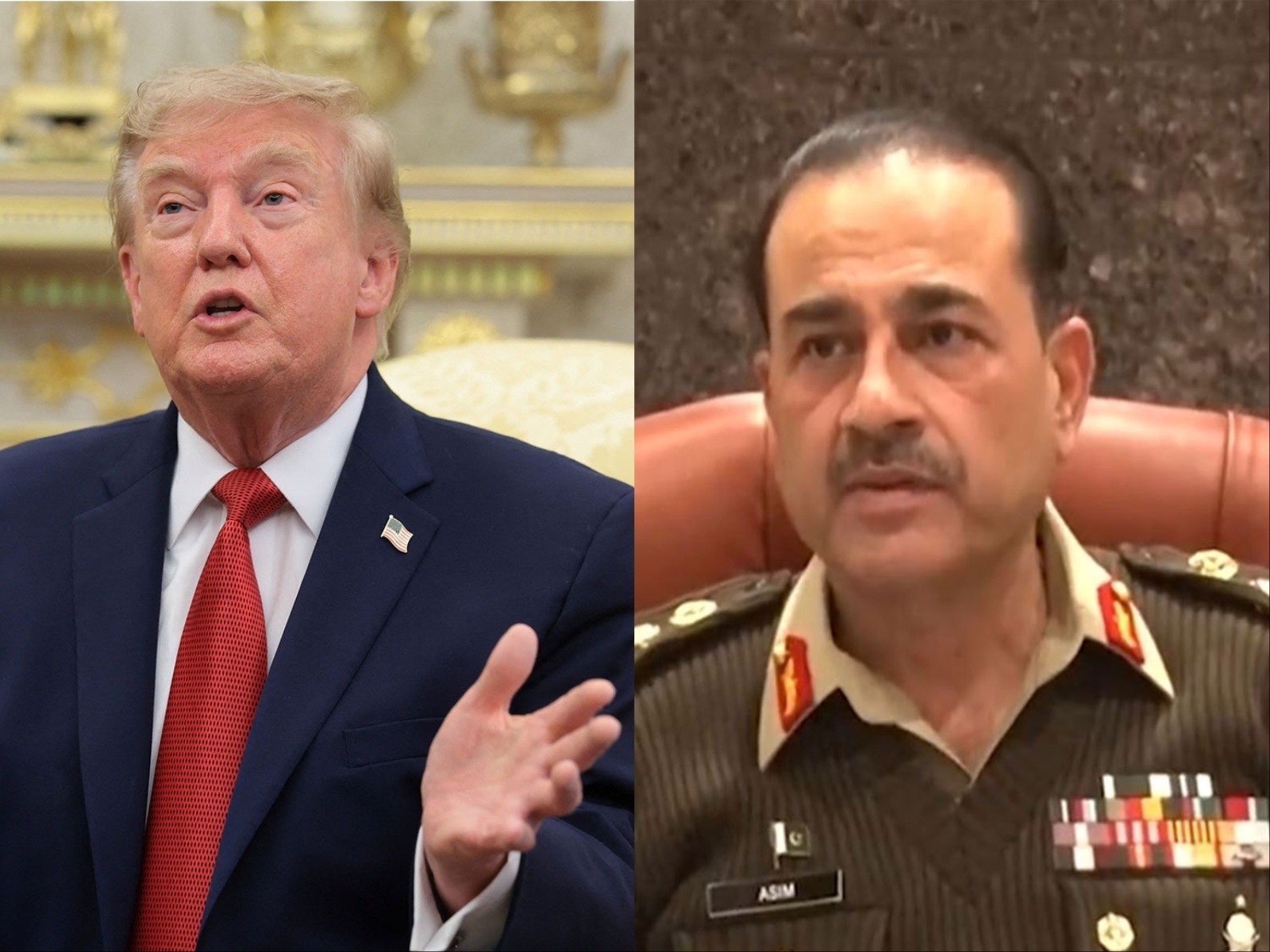
Trump sets strict terms for Iran deal: No upfront sanctions relief or asset unfreezing
President Donald Trump has outlined stringent conditions for any potential deal with Iran, stating that sanctions relief and the unfreezing of assets will only occur after Iran demonstrates behavioral changes. Lebanon is not a condition for a short-term agreement, and future talks will address complex issues like nuclear proliferation and regional security. Recent reports suggest conflicting claims between the US and Iran regarding the specifics of any agreements, highlighting the ongoing complexities in their relationship.
Key Highlights
- No upfront sanctions relief or asset unfreezing from the US.
- Sanctions relief contingent on Iran's behavioral changes.
- Lebanon's inclusion not a requirement for short-term deals.
- Complex issues like nuclear program to be addressed in future talks.
- Conflicting claims between US and Iran on deal specifics persist.
President Donald Trump has laid down firm conditions for any potential deal with Iran, emphasizing that the United States will not offer immediate sanctions relief or unfreeze Iranian assets. According to reports, Trump stated in an interview with NBC News that such measures would only be considered after Iran demonstrates significant changes in its behavior and fulfills its commitments under any agreement [6, 8, 16]. This stance indicates a shift from potential immediate concessions, underscoring a demand for tangible proof of compliance before any financial or economic benefits are extended to Tehran.
Furthermore, Trump clarified that Lebanon is not a prerequisite for a short-term agreement with Iran. This suggests that any immediate de-escalation or interim deal would focus on core issues between the US and Iran, without necessarily resolving the complex regional dynamics involving Lebanon and Hezbollah [8, 16]. This differentiation implies a strategic approach to negotiations, prioritizing direct US-Iran relations while potentially leaving broader regional conflicts to be addressed in parallel or subsequent discussions.
The broader context of US-Iran relations has been marked by a complex interplay of sanctions, geopolitical tensions, and attempts at diplomacy. The US withdrawal from the Joint Comprehensive Plan of Action (JCPOA) in 2018, under Trump's administration, led to the reimposition of stringent sanctions on Iran [14, 20, 11]. These sanctions have significantly impacted Iran's economy, leading to a protracted period of economic pressure. While there have been reports of tentative agreements and potential de-escalation, such as a memorandum of understanding signed in June 2026, the details and implementation have been subject to conflicting interpretations and a lack of sustained progress [19, 27].
Recent reports from June 2026 indicate that a Memorandum of Understanding was signed, which included provisions for ending hostilities, reopening the Strait of Hormuz, and potentially granting sanctions relief and releasing frozen assets [15, 17, 18, 26, 27]. However, the specifics of this agreement and the extent of sanctions relief remain contentious. Some reports suggest that Iran claimed an agreement was reached for the release of $24 billion in frozen assets, while US officials emphasized that any release of funds would be performance-based [5, 9, 10]. This divergence in claims highlights the challenges in translating negotiations into concrete, mutually agreed-upon actions.
Moreover, the US has recently intensified its sanctions campaign against Iran, with Treasury Secretary Scott Bessent announcing "Operation Economic Outcast" on August 24, 2026. This initiative aims to "sever every economic lifeline" sustaining Iran by targeting its sanctions-evasion networks and urging countries to cut financial ties with Tehran [13, 21, 12]. This move suggests a continued strategy of maximum pressure, even amidst ongoing diplomatic efforts or the aftermath of purported interim deals. Iran, in response, has warned of a "devastating" reaction to these impending sanctions [25].
The situation surrounding the Strait of Hormuz has also been a critical point of contention. Iran's actions to threaten or impede navigation have led to US military responses and have been a central issue in the negotiations [19, 23, 25]. The reopening of the Strait and ensuring free passage have been key demands from the US side, with Iran seeking to leverage its control for potential gains [15, 19, 26].
In essence, the claims made in the original article by The Times of India align with Trump's consistent public stance on not providing immediate concessions to Iran. The emphasis on Iran's behavioral change as a precursor to sanctions relief and asset unfreezing is a recurring theme in his administration's foreign policy approach towards Tehran. The complexity of the US-Iran relationship, characterized by a history of mutual distrust and conflicting narratives, means that any reported deal or de-escalation must be viewed with scrutiny, paying close attention to the differing interpretations and the actual implementation on the ground. The ongoing economic warfare through sanctions, juxtaposed with diplomatic overtures, presents a dynamic and volatile geopolitical landscape. The article's headline accurately reflects Trump's stated position, though the broader context reveals a deeply intricate and often contradictory set of actions and claims from both sides.
Frequently Asked Questions
What are Donald Trump's main conditions for an Iran deal?
Donald Trump's primary conditions for any deal with Iran include no upfront sanctions relief or unfreezing of assets. These concessions would only be considered after Iran demonstrates significant behavioral changes and fulfills its commitments.
Is Lebanon a required part of a short-term Iran deal?
No, Donald Trump has stated that Lebanon is not a requirement for any short-term agreement with Iran, indicating that the focus of immediate negotiations would be on direct US-Iran issues.
What is the current status of US sanctions on Iran?
The US has recently intensified its sanctions campaign through 'Operation Economic Outcast,' aiming to sever Iran's economic lifelines. This indicates a continued strategy of maximum pressure, even as diplomatic efforts are ongoing.
Have there been any recent agreements between the US and Iran?
Reports from mid-2026 suggested a Memorandum of Understanding was signed, aiming to end hostilities and address issues like the Strait of Hormuz. However, the specifics and implementation have been subject to conflicting interpretations and ongoing disputes, with Iran often claiming immediate asset releases while the US emphasizes performance-based concessions.