India Urges LPG to PNG Shift Amid Supply Concerns
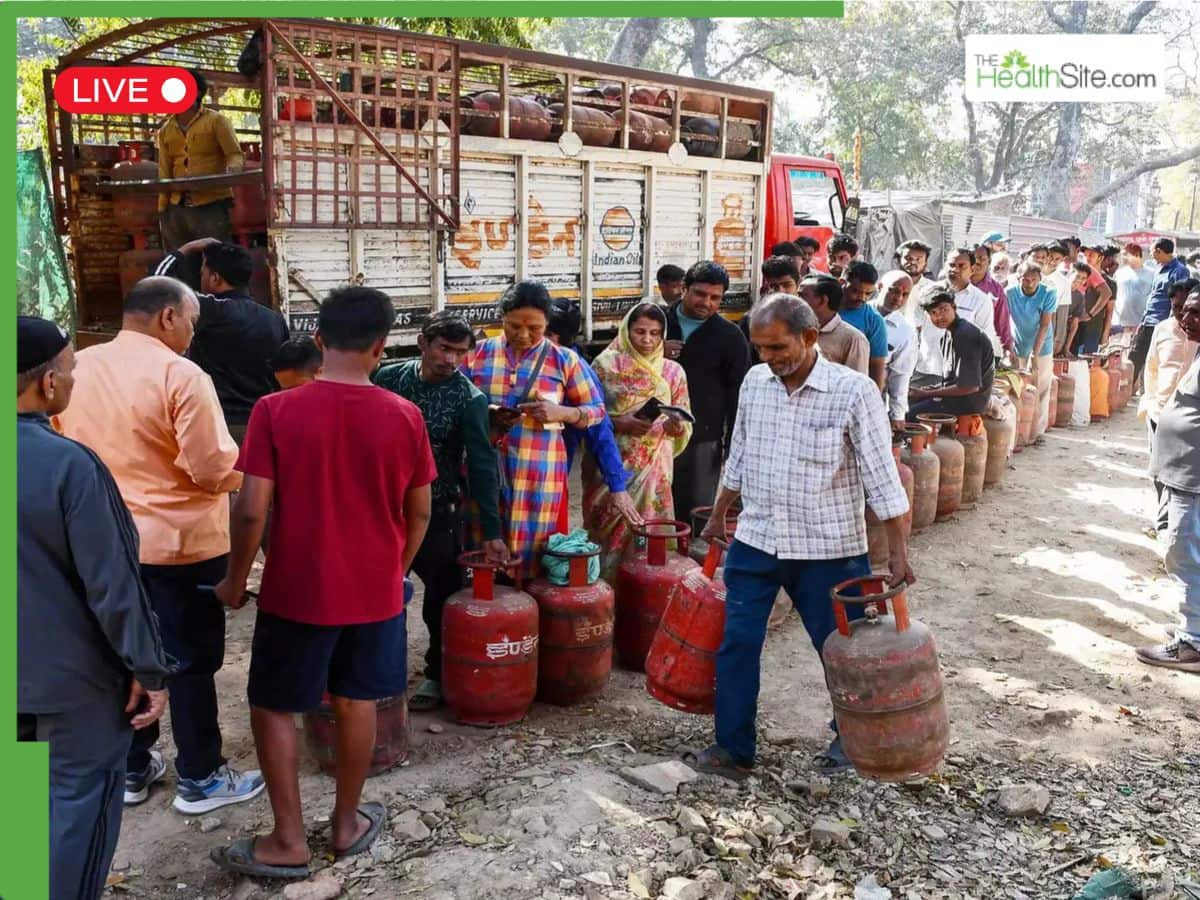
Amid ongoing geopolitical tensions impacting global energy markets, India is experiencing a "worrisome" LPG supply situation. The government is urging consumers, particularly commercial users, to switch to Piped Natural Gas (PNG) where available, offering incentives for this transition. To combat hoarding and black marketing, over 12,000 raids have been conducted and more than 15,000 LPG cylinders seized nationwide. While domestic LPG production has increased, the government acknowledges the need for judicious use of cooking gas.
Key Highlights
- Govt acknowledges "worrisome" LPG supply situation.
- Consumers urged to switch to PNG, with incentives offered.
- Nationwide crackdown on hoarding and black marketing intensifies.
- Domestic LPG production increased, but judicious use advised.
- Fresh LPG shipments are arriving to ease supply pressure.
India is currently facing a "worrisome" Liquefied Petroleum Gas (LPG) supply situation, primarily due to geopolitical disruptions in global energy markets, particularly those affecting the Strait of Hormuz, a critical shipping route. While the government asserts that there is no overall fuel shortage and domestic LPG production has increased by approximately 40%, the supply chain for LPG is more vulnerable compared to petrol and diesel due to its reliance on direct imports and limited storage capacity. The situation has led to panic buying, long queues at distributors, and a strain on commercial users, including the hospitality and IT sectors.
In response to these challenges, the Indian government is actively encouraging consumers, especially commercial and industrial users in urban areas with existing Piped Natural Gas (PNG) infrastructure, to switch to PNG. This move aims to ease pressure on LPG supplies and promote cleaner fuel alternatives. To facilitate this transition, various City Gas Distribution (CGD) companies are offering incentives, such as free gas, waiver of registration charges, and security deposit reductions, for new PNG connections before March 31, 2026. The government is also working to expedite the expansion of PNG infrastructure by urging state governments and Union Territories to speed up approvals for laying CGD pipelines and remove procedural bottlenecks. This includes measures like granting deemed permissions, waiving charges, and appointing nodal officers to streamline the process.
Simultaneously, authorities are intensifying efforts to curb hoarding and black marketing of LPG cylinders. A nationwide crackdown has led to over 12,000 raids and the seizure of more than 15,000 LPG cylinders under the Essential Commodities Act. Measures such as increasing the inter-booking gap to 25 days and introducing mandatory e-KYC with Aadhaar authentication have also been implemented to ensure fair distribution and prevent diversion.
Fresh LPG shipments, including vessels like Shivalik and Nanda Devi, have arrived at Indian ports, aiming to ease the immediate pressure on supplies. However, the government continues to emphasize the need for judicious use of cooking gas and has advised consumers to conserve energy wherever possible. While petrol and diesel supplies remain stable due to robust domestic refining capacity and diversified crude oil sources, the LPG situation remains a point of close monitoring. The long-term strategy involves diversifying import sources, increasing domestic production, and significantly expanding PNG infrastructure to enhance energy security and reduce dependence on imported LPG.
The article's claims are corroborated by multiple credible news sources, indicating a consistent reporting of the LPG supply concerns, the government's push for PNG adoption, and the measures taken against hoarding. The headline accurately reflects the core message of the article, without appearing sensationalized. The news is specific to India, focusing on its domestic energy policy and supply chain challenges. The overall situation is dynamic, with ongoing efforts to stabilize supply and manage demand. The government's communication highlights both the challenges and the proactive steps being taken.The article was published on March 18, 2026. The news category is primarily related to India's Economy, Energy, and Government Policy.
Frequently Asked Questions
Why is India facing an LPG shortage?
India is facing an LPG shortage due to global geopolitical disruptions, particularly those affecting the Strait of Hormuz, a key shipping route. This has impacted imports, making the supply chain more vulnerable compared to domestic production of other fuels like petrol and diesel.
What is the government urging consumers to do?
The government is urging consumers, especially commercial and industrial users in urban areas with existing Piped Natural Gas (PNG) infrastructure, to switch to PNG to ease pressure on LPG supplies. Incentives are being offered to encourage this transition.
What measures are being taken against hoarding?
To combat hoarding and black marketing of LPG cylinders, the government has intensified efforts, conducting over 12,000 raids nationwide and seizing more than 15,000 LPG cylinders under the Essential Commodities Act. Measures like increased inter-booking gaps and mandatory e-KYC have also been implemented.
Is there a nationwide shortage of all fuels?
No, the government has stated that there is no nationwide shortage of petrol, diesel, or crude oil supplies. These fuels are largely produced domestically through India's refining network, making their supply chain more resilient.
What are the long-term solutions for LPG supply issues?
Long-term solutions include diversifying import sources, increasing domestic LPG production, and significantly expanding PNG infrastructure to reduce dependence on imported LPG and enhance overall energy security.