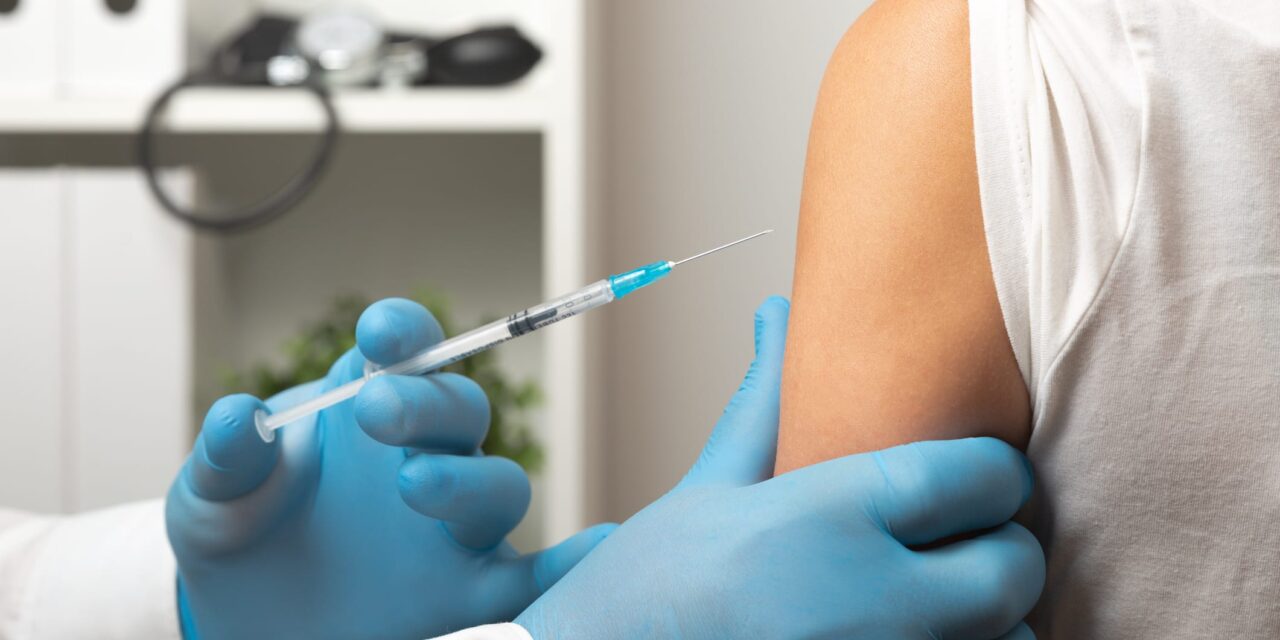
India's HPV Vaccine Rollout: Addressing Misinformation Amidst National Health Push
India has launched a nationwide HPV vaccination campaign targeting 14-year-old girls to combat cervical cancer, a significant health concern. Despite the rollout facing skepticism and 'wild theories,' the government is emphasizing the vaccine's safety and efficacy, citing WHO recommendations and successful international programs. The campaign aims to cover millions of girls, addressing a critical gap in India's public health strategy.
Key Highlights
- Nationwide HPV vaccination drive launched for 14-year-old girls.
- Campaign aims to prevent cervical cancer, a major health issue in India.
- Government emphasizes vaccine safety amidst existing skepticism.
- WHO-recommended single-dose regimen being administered.
- Rollout aims to reach millions of eligible girls across states.
India has embarked on a significant public health initiative with the nationwide rollout of the Human Papillomavirus (HPV) vaccine, primarily targeting 14-year-old girls to prevent cervical cancer. This launch, however, is accompanied by a resurgence of 'wild theories' and skepticism, as highlighted by the Newslaundry article, while the government asserts its preparedness and the vaccine's safety and efficacy.
The cervical cancer burden in India is substantial, with the disease being the second most common cancer among women, contributing significantly to mortality. In 2022, India recorded an estimated 127,526 new cases and 79,906 deaths from cervical cancer. The HPV vaccine is recognized as a crucial preventive measure, with nearly 99.7% of cervical cancer cases being linked to HPV infection. The World Health Organization (WHO) recommends HPV vaccination as a key strategy to eliminate cervical cancer by 2030, aligning with India's national program.
The current nationwide campaign, launched in late February 2026, focuses on administering a single dose of the Gardasil-4 vaccine to 14-year-old girls. This single-dose strategy is supported by WHO recommendations, which indicate high efficacy and lasting protection for adolescents. The government plans to cover approximately 1.15 crore (11.5 million) girls annually across all states and Union Territories. Vaccination sessions are being conducted at government health facilities, including Primary Health Centres (Ayushman Arogya Mandirs), Community Health Centres, district hospitals, and government medical colleges. The initiative is voluntary and requires informed consent from parents or guardians.
Addressing the skepticism and misinformation surrounding the HPV vaccine is a critical aspect of the rollout. A significant reason for this hesitancy stems from a controversial incident in 2010 involving deaths of seven tribal girls during an HPV vaccine study. While subsequent inquiries by the Indian Council of Medical Research (ICMR) concluded that these deaths were not causally related to the vaccine, with causes ranging from suicide and drowning to malaria and snakebites, the incident deeply impacted public trust. Activist groups at the time alleged that pharmaceutical companies were using tribal girls as 'guinea pigs,' further fueling suspicion.
Furthermore, experiences during the COVID-19 pandemic, where vaccine approvals raised questions about adherence to clinical trial protocols, have contributed to lingering concerns about informed consent and compensation for adverse events. The article notes that unlike in the United States, India currently lacks a specific legal framework for compensation in cases of vaccine-related injuries or deaths.
In response to these concerns, medical associations and government agencies are actively engaged in outreach efforts through traditional and social media to reassure the public about the vaccine's safety and efficacy. Experts emphasize that international scientific literature has not identified safety concerns, and the WHO has endorsed the vaccine. Organizations like the Indian Cancer Society and health officials are working to debunk myths and provide accurate information.
The government's preparedness for the rollout involves leveraging existing infrastructure, such as the Universal Immunization Programme (UIP) and the U-WIN digital platform for tracking vaccinations. The development of an indigenous HPV vaccine, Cervavac, by the Serum Institute of India, has also been a significant step, potentially lowering costs and increasing accessibility. However, the current national rollout primarily uses Gardasil-4, with ongoing studies to determine the full integration of Cervavac into the national program.
States like Rajasthan and Gujarat have already commenced their vaccination drives, with Rajasthan receiving 3.65 lakh doses and Gujarat targeting 5.5 lakh girls. Karnataka, which had a delayed plan, is now implementing its program under the national framework.
The article underscores the importance of addressing both the 'wild theories' and the 'real questions' regarding vaccine safety, informed consent, and accessibility. While the government highlights the scientific backing and public health imperative of the HPV vaccine, ongoing efforts are needed to build sustained public confidence and ensure the program's success in the long term. The historical context of vaccine hesitancy in India, coupled with the complexities of regulatory processes and public communication, presents a continuous challenge that the current rollout must navigate effectively.
Frequently Asked Questions
What is the HPV vaccine and why is it important for India?
The HPV vaccine protects against the Human Papillomavirus (HPV), a virus that causes most cervical cancers. India has a high burden of cervical cancer, making this vaccine crucial for prevention. The goal is to eliminate cervical cancer as a public health problem by vaccinating adolescent girls.
Who is eligible for the HPV vaccine under the current national drive?
The current nationwide HPV vaccination campaign in India targets 14-year-old girls. The vaccine is being administered as a single dose, and it is voluntary, requiring parental consent.
What are the main concerns or misinformation surrounding the HPV vaccine rollout in India?
Concerns largely stem from a past incident in 2010 where deaths of seven girls were falsely attributed to the vaccine, leading to public mistrust. Lingering questions about informed consent and compensation for adverse events also contribute to hesitancy. There are also broader anti-vaccine narratives circulating.
How is the Indian government addressing skepticism and misinformation about the HPV vaccine?
The government and medical associations are actively engaging in public outreach through various media channels to educate the public about the vaccine's safety and efficacy, citing WHO recommendations and international evidence. Efforts are being made to debunk myths and provide accurate information.
What is the current status of India's indigenous HPV vaccine, Cervavac?
India has developed its own HPV vaccine, Cervavac, by the Serum Institute of India. While it is available in the private market, its inclusion in the national immunization program is contingent on further studies and WHO approvals. The current national rollout primarily uses Gardasil-4.