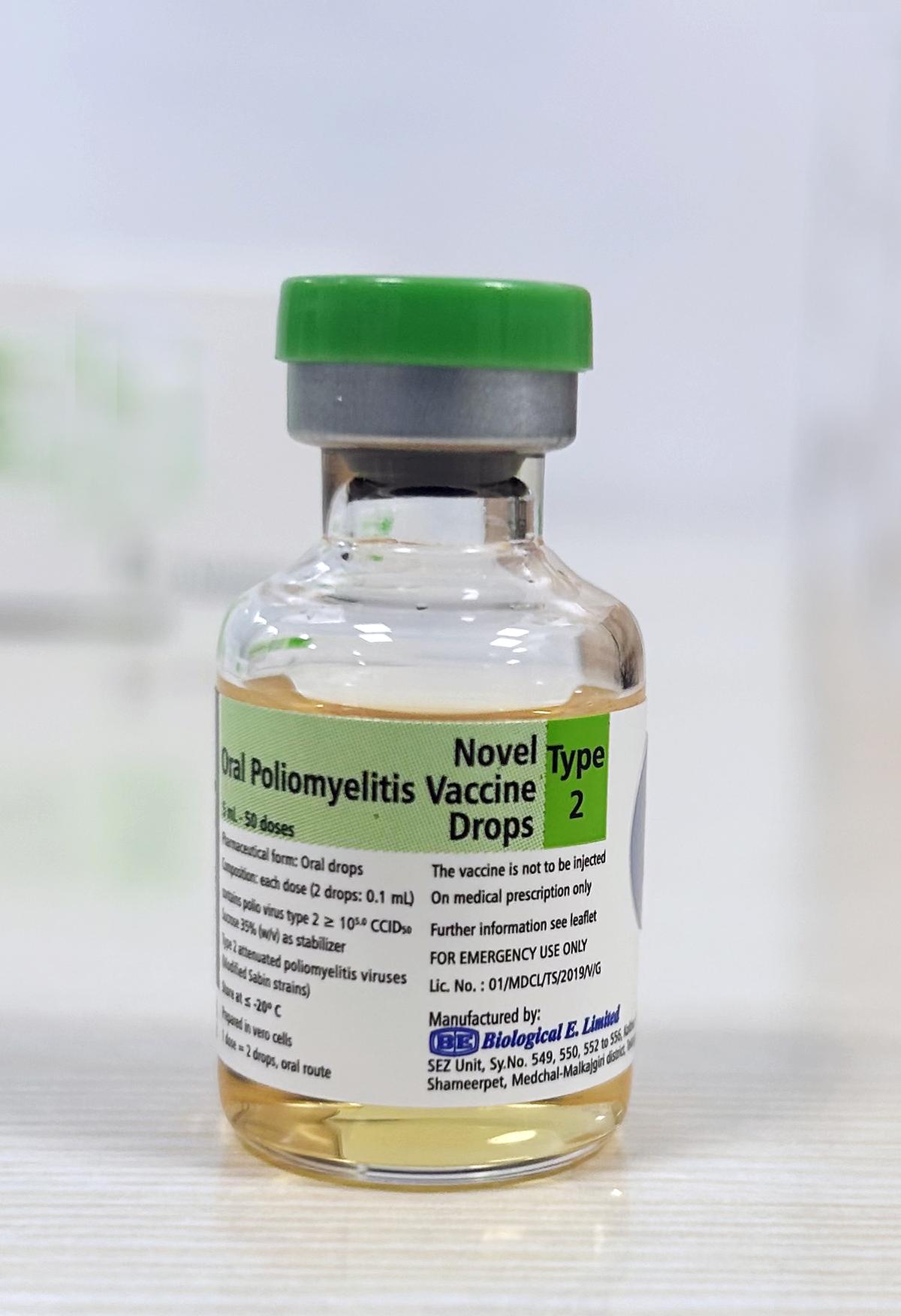
Biological E. Achieves Full WHO Pre-Qualification for Novel Polio Vaccine
Hyderabad-based Biological E. Limited has secured Phase II WHO Pre-Qualification for its novel oral polio vaccine type 2 (nOPV2). This milestone allows the company to conduct end-to-end manufacturing, enhancing global supply resilience for polio eradication efforts.
Key Highlights
- Biological E. receives Phase II WHO Pre-Qualification for nOPV2.
- Enables full end-to-end manufacturing of the vaccine at one site.
- Strengthens global supply chain for polio outbreak responses.
- nOPV2 is crucial for controlling circulating vaccine-derived poliovirus type 2 outbreaks.
- Expands on previous Phase I pre-qualification.
- Highlights India's leadership in global vaccine manufacturing.
Biological E. Limited, a prominent Hyderabad-based Indian vaccine and pharmaceutical company, has achieved a significant milestone in global public health by receiving Phase II World Health Organization (WHO) Pre-Qualification for its Novel Oral Polio Vaccine type 2 (nOPV2). This critical approval grants Biological E. the ability to undertake the full, end-to-end manufacturing process of nOPV2, encompassing both the drug substance and the final drug product, all within a single, integrated manufacturing facility.
The Phase II pre-qualification represents an expansion of Biological E.'s earlier achievement of Phase I pre-qualification in June 2024. While Phase I allowed the company to manufacture the drug product using externally supplied drug substance, the new Phase II status signifies complete control over the entire production chain at its facilities. This integrated approach is expected to significantly bolster the global supply chain, making it more resilient and responsive, especially in times of urgent need for polio outbreak control.
nOPV2 is a groundbreaking oral polio vaccine, specifically engineered as a genetically modified version of the existing Sabin type 2 oral polio vaccine (OPV). Its primary purpose is to effectively control outbreaks of circulating vaccine-derived poliovirus type 2 (cVDPV2). A key advantage of nOPV2 is its improved genetic stability, which substantially reduces the risk of the vaccine virus reverting to a virulent form that could cause paralysis, a rare but known concern with older OPV strains.
According to Biological E.'s Managing Director, Mahima Datla, the speed of response and the availability of vaccines are paramount in halting polio transmission when outbreaks occur. She emphasized that nOPV2 has already played a crucial role, with over a billion doses deployed globally, underlining its effectiveness as a tool specifically designed for outbreak control. Biological E. itself has already contributed significantly to this global effort, having manufactured and supplied 700 million doses of nOPV2 to the global stockpile. These doses have been shipped to numerous countries actively conducting immunization campaigns to combat cVDPV2 outbreaks.
The WHO pre-qualification process is a rigorous and comprehensive evaluation that ensures vaccines meet stringent international standards for quality, safety, and efficacy. This process is vital for United Nations (UN) procurement agencies like UNICEF, which rely on WHO-prequalified products for their immunization programs worldwide. The attainment of Phase II pre-qualification not only validates Biological E.'s manufacturing capabilities but also underscores India's growing stature and leadership in delivering innovative, high-impact solutions to support global polio eradication initiatives.
The expanded qualification strengthens global outbreak response readiness by providing integrated, WHO-qualified production capacity for nOPV2, a vaccine deemed critical for controlling cVDPV2 outbreaks. This achievement is the result of a multi-year, multi-partner global collaboration, involving technology transfer, product comparability assessments, specialized testing, and manufacturing readiness programs across various institutions. Partners like PT Bio Farma (Indonesia), PATH, and the Bill & Melinda Gates Foundation have provided significant technical and programmatic support, highlighting the collaborative nature of this global health endeavor.
With integrated manufacturing infrastructure, validated processes, and established export regulatory approvals, Biological E. is now exceptionally well-positioned to meet the evolving demands of global polio eradication programs. This development signifies not just a corporate achievement, but a vital step forward in the collective quest to eliminate polio worldwide, protecting children and communities from this debilitating disease.
Frequently Asked Questions
What is nOPV2 and why is it important?
nOPV2 (novel oral polio vaccine type 2) is a genetically modified oral polio vaccine designed to stop outbreaks of circulating vaccine-derived poliovirus type 2 (cVDPV2). It is crucial because its improved genetic stability makes it less likely to revert to a harmful form compared to older polio vaccines, thereby enhancing safety in polio eradication efforts.
What does 'Phase II WHO Pre-Qualification' mean for Biological E.?
Phase II WHO Pre-Qualification signifies that Biological E. is now approved to conduct the entire manufacturing process of nOPV2, from producing the active drug substance to the final drug product, at a single integrated site. This expands upon its previous Phase I approval, which only covered drug product manufacturing using external components.
How does this development impact global polio eradication efforts?
This development significantly strengthens global polio eradication efforts by ensuring a more resilient and responsive supply of a critical vaccine. By enabling end-to-end manufacturing at an integrated facility, Biological E. can contribute more effectively to the global stockpile and rapid deployment of nOPV2 in countries facing cVDPV2 outbreaks, ultimately helping to protect more children worldwide.
How many doses of nOPV2 has Biological E. already supplied?
Biological E. has already manufactured and supplied 700 million doses of nOPV2 to the global stockpile. These doses have been distributed to multiple countries for immunization campaigns aimed at controlling circulating vaccine-derived poliovirus type 2 (cVDPV2) outbreaks.