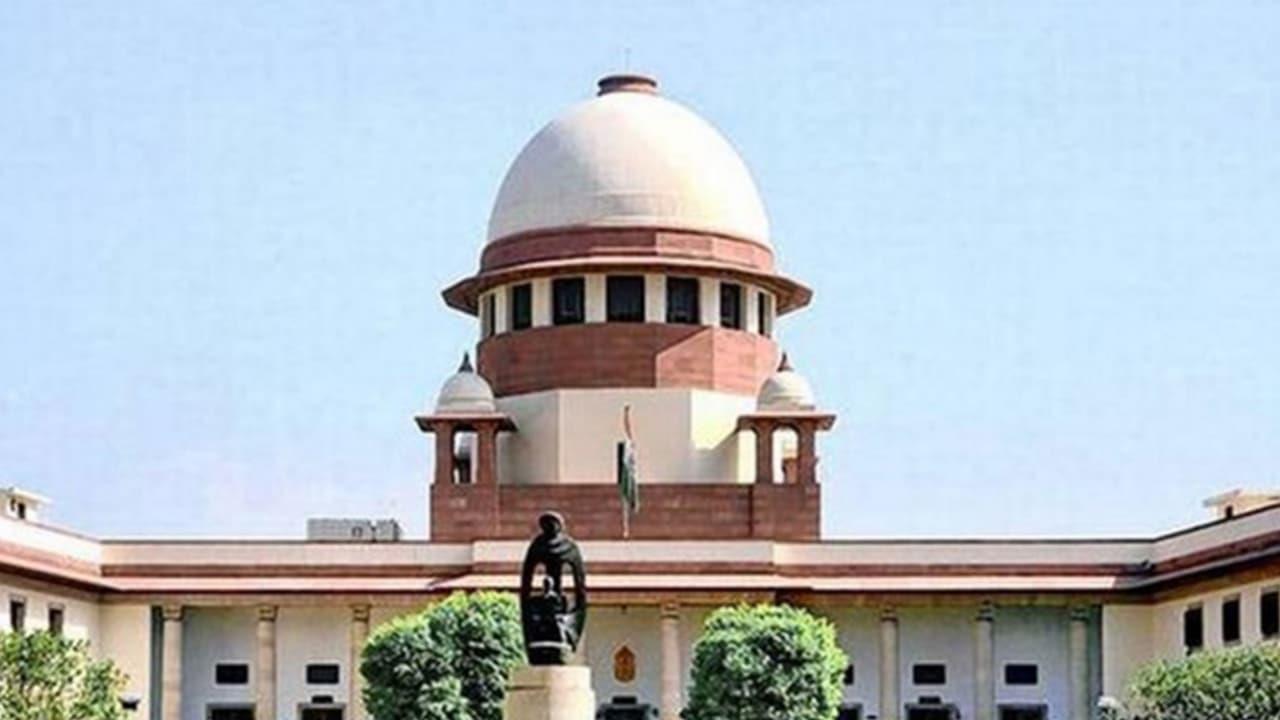
Centre Appoints 5 New Supreme Court Judges, Strength Rises to 37
The Indian government has officially notified the appointment of five new judges to the Supreme Court. This includes four Chief Justices of various High Courts and Senior Advocate V. Mohana. The appointments bring the apex court's working strength to 37, nearing its newly expanded sanctioned strength of 38. This move aims to address case pendency and enhance judicial efficiency.
Key Highlights
- Five new judges appointed to the Supreme Court.
- Working strength of Supreme Court now stands at 37.
- Sanctioned strength increased to 38 through recent ordinance.
- Appointments aim to reduce case pendency.
- Includes four High Court Chief Justices and one Senior Advocate.
- Significantly boosts women's representation in the apex court.
The Central Government has officially notified the appointment of five new judges to the Supreme Court of India, marking a significant development in strengthening the country's highest judicial body. The appointments, which were announced on June 1, 2026, include four serving Chief Justices of various High Courts and a distinguished Senior Advocate, V. Mohana. This brings the active strength of the Supreme Court to 37 judges, just one short of the recently enhanced sanctioned strength of 38. This increase in judicial strength is a direct result of the government's decision to raise the number of judges through the Supreme Court (Number of Judges) Amendment Ordinance, 2026, a move aimed at bolstering the court's capacity to handle the growing volume of cases and ensure the speedy delivery of justice. The Collegium of the Supreme Court, headed by Chief Justice of India Surya Kant, had made its recommendations for these appointments on May 27, 2026, and the government acted swiftly to notify them within a few days. The newly appointed judges are Justice Sheel Nagu (Chief Justice of Punjab and Haryana High Court), Justice Shree Chandrashekhar (Chief Justice of Bombay High Court), Justice Sanjeev Sachdeva (Chief Justice of Madhya Pradesh High Court), Justice Arun Palli (Chief Justice of the High Court of Jammu & Kashmir and Ladakh), and Senior Advocate V. Mohana. The elevation of V. Mohana is particularly noteworthy as it marks a significant step towards enhancing women's representation in the higher judiciary. She is one of the few women advocates to be directly elevated to the Supreme Court bench from the Bar, and her appointment brings the number of women judges in the apex court closer to parity, especially considering that Justice B.V. Nagarathna was the sole woman judge prior to these appointments. Her elevation also highlights the Collegium's commitment to considering diverse backgrounds and experiences when making judicial recommendations. The expansion of the Supreme Court's strength from 34 to 38 judges, including the Chief Justice of India, was a much-anticipated move to address the persistent issue of case pendency. With the previous strength of 34 judges, the court often faced vacancies, further exacerbating the delays in judicial pronouncements. The recent increase in sanctioned strength, followed by these appointments, means the Supreme Court is now operating with a near-full bench, which is expected to significantly improve its efficiency and reduce the backlog of cases. The appointment process, from the Collegium's recommendation on May 27 to the government's notification on June 1, was remarkably swift, underscoring the collaborative effort between the judiciary and the executive to strengthen the apex court. The presence of four experienced Chief Justices of High Courts among the appointees brings a wealth of judicial experience from different high courts across the country, ensuring a broad perspective in the Supreme Court's deliberations. The elevation of Senior Advocate V. Mohana from the Bar is also a significant aspect, reflecting the Collegium's willingness to consider meritorious legal practitioners for judicial roles, a practice that has been sparingly used but is crucial for bringing diverse legal talent to the bench. The Supreme Court of India, as the highest constitutional court, plays a pivotal role in interpreting laws, safeguarding fundamental rights, and shaping the legal landscape of the nation. Ensuring its effective functioning with adequate judicial strength is paramount for upholding the rule of law and delivering timely justice to citizens. These appointments are a crucial step in that direction, promising a more robust and efficient Supreme Court. The timely notification of these appointments by the Union Law Minister, Arjun Ram Meghwal, through social media and subsequent official notifications, ensured that the news reached the public promptly. The ceremony for the judges to take their oath and formally assume office is expected to take place shortly after the notification. The entire process, from the Cabinet's approval of the bill to increase the strength to the final notification of appointments, reflects a concerted effort to reinforce India's judicial system.
Frequently Asked Questions
Who are the five new judges appointed to the Supreme Court of India?
The five new judges appointed to the Supreme Court are Justice Sheel Nagu (Chief Justice of Punjab and Haryana High Court), Justice Shree Chandrashekhar (Chief Justice of Bombay High Court), Justice Sanjeev Sachdeva (Chief Justice of Madhya Pradesh High Court), Justice Arun Palli (Chief Justice of the High Court of Jammu & Kashmir and Ladakh), and Senior Advocate V. Mohana.
What is the current strength of the Supreme Court after these appointments?
After the appointment of these five judges, the working strength of the Supreme Court has increased to 37 judges. The newly expanded sanctioned strength of the Supreme Court is 38 judges, including the Chief Justice of India, leaving one vacancy.
What is the significance of Senior Advocate V. Mohana's appointment?
Senior Advocate V. Mohana's appointment is significant as she is one of the few women advocates to be directly elevated to the Supreme Court bench from the Bar. Her appointment also aims to increase women's representation in the apex court, which had only one woman judge prior to these appointments.
Why was the strength of the Supreme Court increased?
The strength of the Supreme Court was increased to address the growing pendency of cases and to enhance the court's efficiency in delivering speedy justice. The sanctioned strength was recently increased from 34 to 38 judges.