US-Israel-Iran War: Escalation, Saudi Drone Interceptions, Tehran Casualties
A major conflict involving the US, Israel, and Iran continues to escalate, with Saudi Arabia intercepting dozens of Iranian drones. Recent strikes have targeted Tehran, resulting in military casualties, while UN experts warn of devastating regional consequences. The ongoing war has significantly impacted global oil markets and shipping.
Key Highlights
- US and Israeli forces continue extensive strikes across Iran.
- Saudi Arabia and other Gulf states intercept numerous Iranian drones and missiles.
- Drone strikes on Tehran caused at least 10 military fatalities on March 11.
- The conflict, ongoing since February 28, 2026, is impacting global oil supplies.
- UN experts condemn the military assaults, warning of regional escalation.
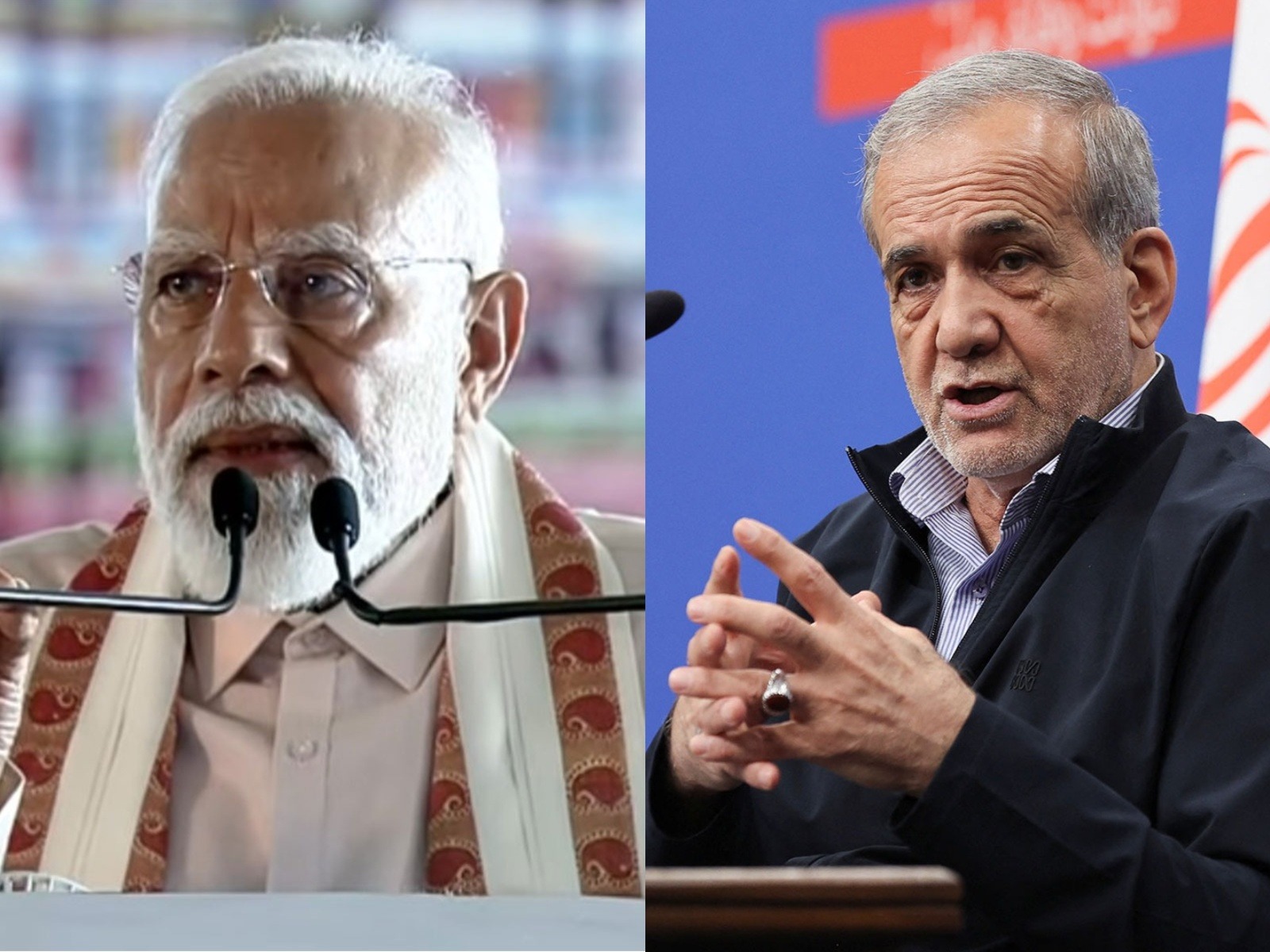
- India's External Affairs Minister held discussions on the West Asia conflict.
The Middle East is gripped by an intensifying conflict, widely referred to as the US-Israel-Iran War, which began with surprise airstrikes by Israel and the United States on Iranian sites on February 28, 2026. This aggressive action led to the reported assassination of Iran's Supreme Leader Ali Khamenei and other officials, prompting severe retaliation from Iran.
Recent developments, particularly between March 11 and March 13, 2026, indicate a significant escalation. Saudi Arabia reported intercepting dozens of Iranian drones and ballistic missiles aimed at its territory. On March 11 and 12, the Saudi Defense Ministry alone stated it intercepted over 47 Iranian drones and three ballistic missiles. Further reports on March 13 confirmed that Saudi Arabia had intercepted multiple drones, including those heading towards the Shaybah oil field, a critical energy infrastructure. Other Gulf states, including Kuwait, Bahrain, and the UAE, have also faced extensive Iranian drone and missile barrages, intercepting hundreds of projectiles since the conflict's inception.
The article's claim of '2 killed in strikes on Tehran' is an understatement and potentially misleading, as more comprehensive reports indicate higher casualties. On March 11, 2026, IRGC-linked media confirmed the deaths of at least 10 military personnel in drone strikes on checkpoints in Tehran. Broader estimates suggest a much higher cumulative death toll within Iran since the conflict began, with one report citing AP officials stating at least 1,230 people have been killed in Iran since the US-Israeli strikes started on February 28. Strikes have reportedly targeted internal security and military sites across ten Iranian provinces. Civilian facilities, including a girls' school in Minab, have also been hit, with a reported death toll of 165 from an early March strike.
The nature of the conflict extends beyond direct military engagements. Iran has reportedly laid mines in the Strait of Hormuz, a crucial global shipping lane for oil, contributing to significant disruptions and rising oil prices. UN experts have vehemently condemned the ongoing military assaults by the United States and Israel on Iran and Lebanon, labeling them as flagrant violations of international law. They expressed deep alarm at the prospect of widespread destruction and civilian casualties mirroring the situation in Gaza, warning of a catastrophic regional escalation.
The humanitarian impact is growing, with reports of mass displacement in Lebanon and Iran. UN agencies are expanding relief efforts amidst rising civilian needs. The US military has also confirmed operations to destroy Iranian mine-laying vessels and has struck approximately 6,000 targets in Iran since February 28, damaging or destroying over 90 Iranian vessels.
The global geopolitical and economic ramifications are profound. Oil prices have surged, hovering around $100 a barrel, due to attacks on shipping and energy infrastructure. Several countries have issued travel warnings, and around 47,000 Americans have returned from the Middle East since the war began. India has also been impacted, with External Affairs Minister S. Jaishankar holding discussions with his Iranian counterpart on the West Asia conflict, indicating the regional and global concern over the escalating situation.
Overall, the article's core claims about an ongoing US-Iran conflict, significant drone interceptions in Saudi Arabia, and casualties in Tehran are verified, though the casualty count for Tehran was understated in the original headline. The situation represents a critical international event with far-reaching consequences.
Frequently Asked Questions
What sparked the current US-Israel-Iran conflict?
The conflict reportedly began on February 28, 2026, with surprise airstrikes launched by Israel and the United States on multiple sites across Iran. These strikes reportedly led to the assassination of Iran's Supreme Leader Ali Khamenei, triggering a strong retaliatory response from Iran.
How has Saudi Arabia been affected by the escalating tensions?
Saudi Arabia has been significantly affected by retaliatory Iranian missile and drone attacks. The Saudi Defense Ministry confirmed intercepting dozens of Iranian drones and ballistic missiles on March 11 and 12, 2026, with targets including the Shaybah oil field and the Diplomatic Quarter in Riyadh.
What is the reported casualty toll in Tehran?
While the original article mentioned 2 killed in Tehran, more recent reports from March 11, 2026, confirm at least 10 military personnel were killed in drone strikes on checkpoints in Tehran. Broader estimates for Iran's total casualties since the conflict began are significantly higher, with one report citing over 1,200 deaths.
What are the global economic implications of this conflict?
The conflict has had major global economic repercussions, primarily affecting oil markets. Iran's reported mining of the Strait of Hormuz, a crucial waterway, has disrupted shipping and contributed to oil prices hovering around $100 a barrel.
What is the international community's response to the conflict?
UN experts have strongly condemned the military assaults by the United States and Israel on Iran and Lebanon, citing violations of international law and warning of a devastating regional escalation. There are growing calls for an immediate ceasefire and an international peace conference.