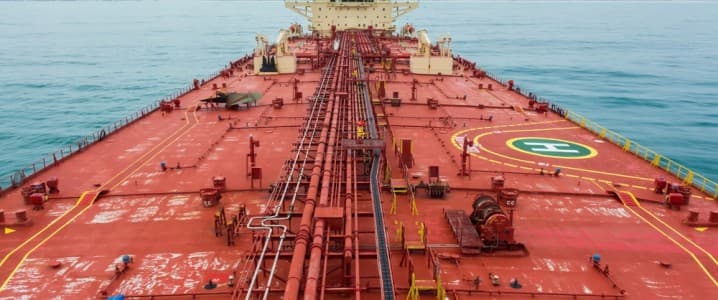
India Seizes Three Iran-Linked Tankers Amid Oil Smuggling Crackdown
India has intercepted and seized three US-sanctioned tankers off the Mumbai coast, allegedly linked to an Iran-backed oil smuggling ring. The operation highlights India's commitment to maritime security and comes amid intensified global efforts against the 'dark fleet' and improving US-India ties. The vessels were involved in illicit mid-sea transfers.
Key Highlights
- India seized three US-sanctioned tankers off Mumbai coast.
- Vessels linked to Iran-backed 'dark fleet' oil smuggling.
- Indian Coast Guard operation on February 5-6, 2026.
- Tankers engaged in illicit mid-sea transfers and identity changes.
- Move follows improved US-India relations and trade agreements.
- Increased maritime surveillance across India's waters.
In a significant maritime operation conducted in early February 2026, India's Coast Guard intercepted and seized three oil tankers in the Arabian Sea, approximately 100 nautical miles west of Mumbai. This major action targeted an international oil-smuggling network, with subsequent reports and analyses linking the vessels to Iran and confirming their presence on US sanctions lists. The operation represents a critical step by India in combating illicit maritime trade and enhancing regional security.
The Indian Coast Guard (ICG) initiated the meticulously planned sea-air coordinated operation on February 5 and 6, 2026, following advanced 'tech-enabled surveillance and data-pattern analysis' that detected suspicious activity. Initial intelligence indicated a motor tanker conducting questionable activities within India's Exclusive Economic Zone (EEZ). Further digital investigation and data analysis led to the identification of two additional vessels converging on the tanker, suspected of being involved in illicit ship-to-ship (STS) transfers of oil-based cargo. These transfers are a common tactic used by smuggling syndicates to obscure the origin of oil and evade duties owed to coastal states.
Upon physical boarding and sustained rummaging on February 5, ICG specialist teams corroborated electronic data, verified documents, and interrogated the crew, establishing the modus operandi of the criminal network. The three apprehended vessels were identified by tanker-tracking firms like TankerTrackers.com and other sources as AL JAFZIA (also known as Chiltern), ASPHALT STAR, and STELLAR RUBY. These vessels were reportedly known for frequently changing their identities and flag registrations – operating under false flags from countries like Guyana, Aruba, and Nicaragua – to evade detection by maritime law enforcement agencies.
Crucially, all three ships were confirmed to be under US sanctions for their alleged links to the Iranian oil trade. TankerTrackers.com specifically noted that STELLAR RUBY was operating under an Iranian flag. LSEG data also indicated that Al Jafzia had previously carried fuel oil from Iran to Djibouti in 2025, further solidifying the Iran connection. The US Office of Foreign Assets Control (OFAC) had sanctioned vessels with IMO numbers identical to those seized, specifically Global Peace, Chil 1, and Glory Star 1, for their involvement in the Iranian petroleum sector. Reports also linked these vessels to the network of Jugwinder Singh Brar, a UAE-based Indian national designated by the US Treasury Department in April 2025 for his operations in Iran's petroleum sector.
While the Indian Coast Guard's official statements described the operation as busting an "international oil-smuggling racket" from "conflict-ridden regions" and did not explicitly name Iran, external analysts, tanker-tracking intelligence, and Iranian media widely reported the vessels' links to Iran. Iranian state media, however, quoting the National Iranian Oil Company, denied any connection of the seized tankers or their cargoes to the company.
This incident marks India's first significant direct enforcement action against what is known as the "dark fleet" or "shadow fleet" – a network of approximately 1,500 tankers globally that transport sanctioned oil, primarily from Iran, Russia, and Venezuela, by obscuring their origins and identities. These vessels often operate with substandard documentation, improper or fake flag registrations, and inadequate maintenance, posing significant security and maritime safety risks.
The seizures and intensified surveillance come at a time of strengthening US-India relations. Earlier in February 2026, Washington announced a reduction in import tariffs on Indian goods to 18% from 50%, following New Delhi's reported agreement to halt Russian oil imports. India's action against the dark fleet aligns with global efforts led by the US and European nations to crack down on vessels moving sanctioned oil, underscoring India's growing role as a "net provider of maritime security and guardian of the rules-based international order" in the Arabian Sea region.
Following the interception, the vessels were escorted to Mumbai for further investigation and handover to Indian Customs and other law enforcement agencies. Indian authorities have since stepped up monitoring efforts, deploying around 55 ships and 10 to 12 aircraft for round-the-clock surveillance across India's maritime zones, aiming to prevent its waters from being used for illicit ship-to-ship transfers that obscure the origin of oil cargoes. The operation demonstrates India's resolve to safeguard its maritime interests and uphold the rules-based order at sea.
Frequently Asked Questions
What exactly did India seize and where?
India's Coast Guard seized three oil tankers—AL JAFZIA (also known as Chiltern), ASPHALT STAR, and STELLAR RUBY—in the Arabian Sea, approximately 100 nautical miles west of Mumbai, as part of an operation on February 5-6, 2026.
Why are these tankers significant and who are they linked to?
These tankers are significant because they are alleged to be part of a 'dark fleet' engaged in international oil smuggling. They are linked to Iran and were on US sanctions lists for their involvement in the Iranian oil trade, often changing identities and flags to evade detection.
What was the modus operandi of the smuggling operation?
The smuggling syndicate exploited mid-sea ship-to-ship transfers in international waters to move cheap oil from 'conflict-ridden regions' to motor tankers, thereby evading duties owed to coastal states and obscuring the oil's origin. The vessels also frequently changed their identities to avoid law enforcement.
What are the broader implications of India's action?
This operation marks India's first direct action against the 'dark fleet,' signaling a tougher stance against illicit maritime trade. It reinforces India's role in global maritime security and coincides with improved US-India diplomatic and trade relations, including US tariff cuts following India's commitment to halt Russian oil imports.
Has Iran commented on the seizures?
Iranian state media, quoting the National Iranian Oil Company, denied any connection between the seized tankers or their cargoes and the company.