New Research Reveals Tsunami Long-Distance Threat, Boosts Early Warnings | Quick Digest
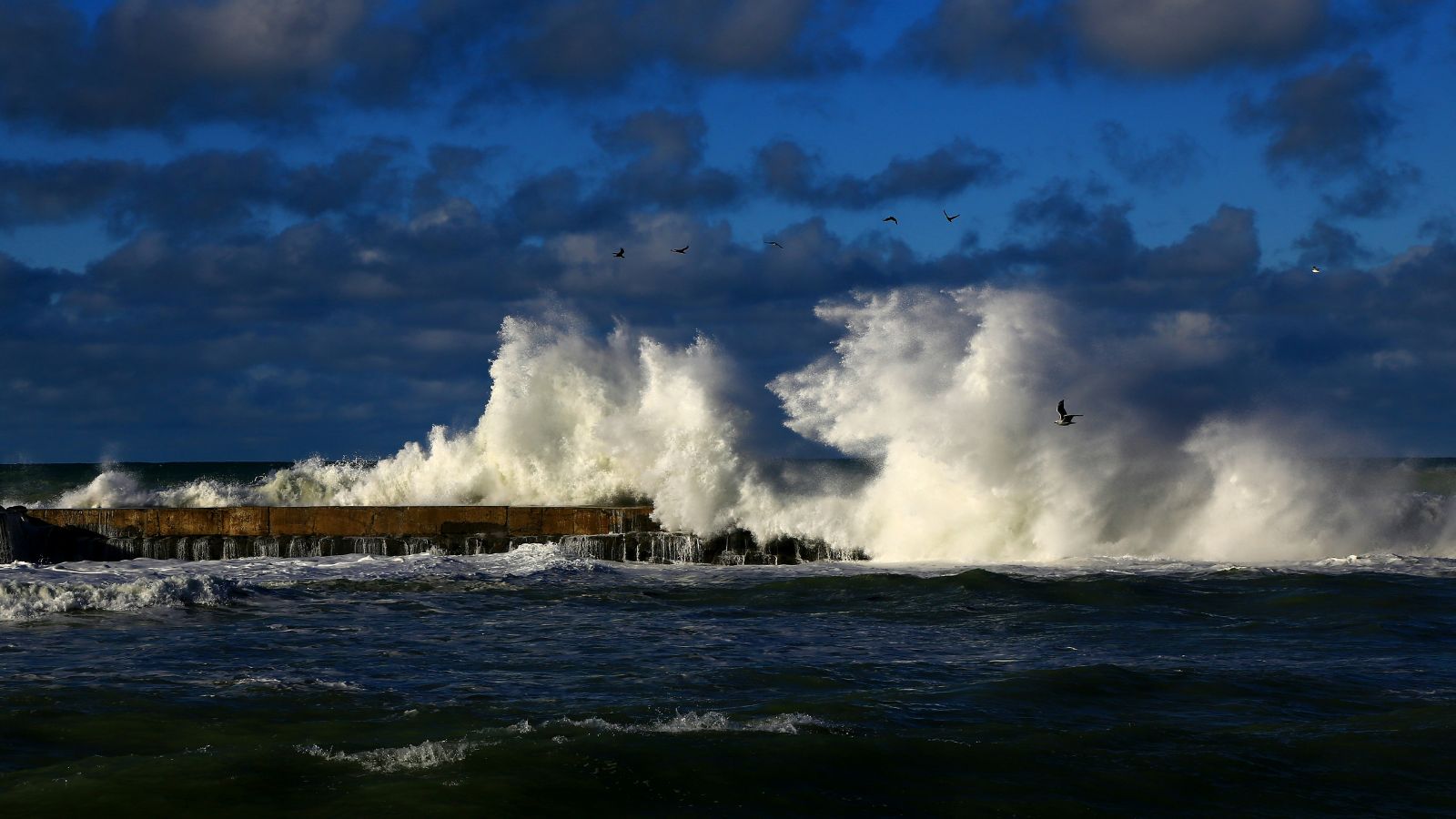
Japanese researchers confirm tsunamis can travel thousands of kilometers, even rebounding continents. This reinforces the need for advanced early warning systems, including new satellite technology like NASA's GUARDIAN, which detects atmospheric signals for faster alerts.
Japanese researchers confirm tsunamis travel vast distances, rebounding continents.
Study details tsunami from Kamchatka quake reflecting off South America.
NASA's GUARDIAN system detects tsunamis via atmospheric signals.
Satellite technology enhances early warning systems globally.
Long-distance tsunami understanding critical for coastal communities.
India, a tsunami-prone region, benefits from these advancements.
Recent analysis by the Japan Meteorological Agency's research institute reinforces the critical understanding that tsunamis can travel immense distances before striking, often much later than initial waves. A study following an 8.8 magnitude earthquake near Russia's Kamchatka Peninsula in late July 2025 revealed that the resulting tsunami first traversed the Pacific Ocean to South America, approximately 15,000 kilometers away. Astonishingly, these waves then rebounded off the South American coast and traveled back towards Japan, arriving roughly 48 hours after the initial earthquake, by which time original tsunami warnings had been lifted.
This phenomenon highlights the complex and far-reaching nature of tsunamis, emphasizing the ongoing risk to distant coastlines. Experts, like Hiroaki Tsushima of the Meteorological Research Institute, urge public awareness regarding these delayed and reflective tsunami waves.
Complementing this understanding, advancements in satellite technology are revolutionizing tsunami detection. NASA's experimental GUARDIAN system (GNSS Upper Atmospheric Real-time Disaster Information and Alert Network) recently demonstrated its capability by detecting the atmospheric signatures of the same Kamchatka tsunami. As a tsunami moves across the ocean, it displaces air, creating pressure waves that ascend into the ionosphere. GUARDIAN analyzes distortions in radio signals from navigation satellites caused by these atmospheric disturbances, providing alerts to experts within minutes of an event. This innovative space-based monitoring can offer crucial additional warning time—potentially more than an hour for distant coastal communities—augmenting traditional seismic and deep-ocean sensor networks. For countries like India, which are highly susceptible to tsunamis, these scientific insights and technological breakthroughs are vital for enhancing disaster preparedness and saving lives.
Read the full story on Quick Digest