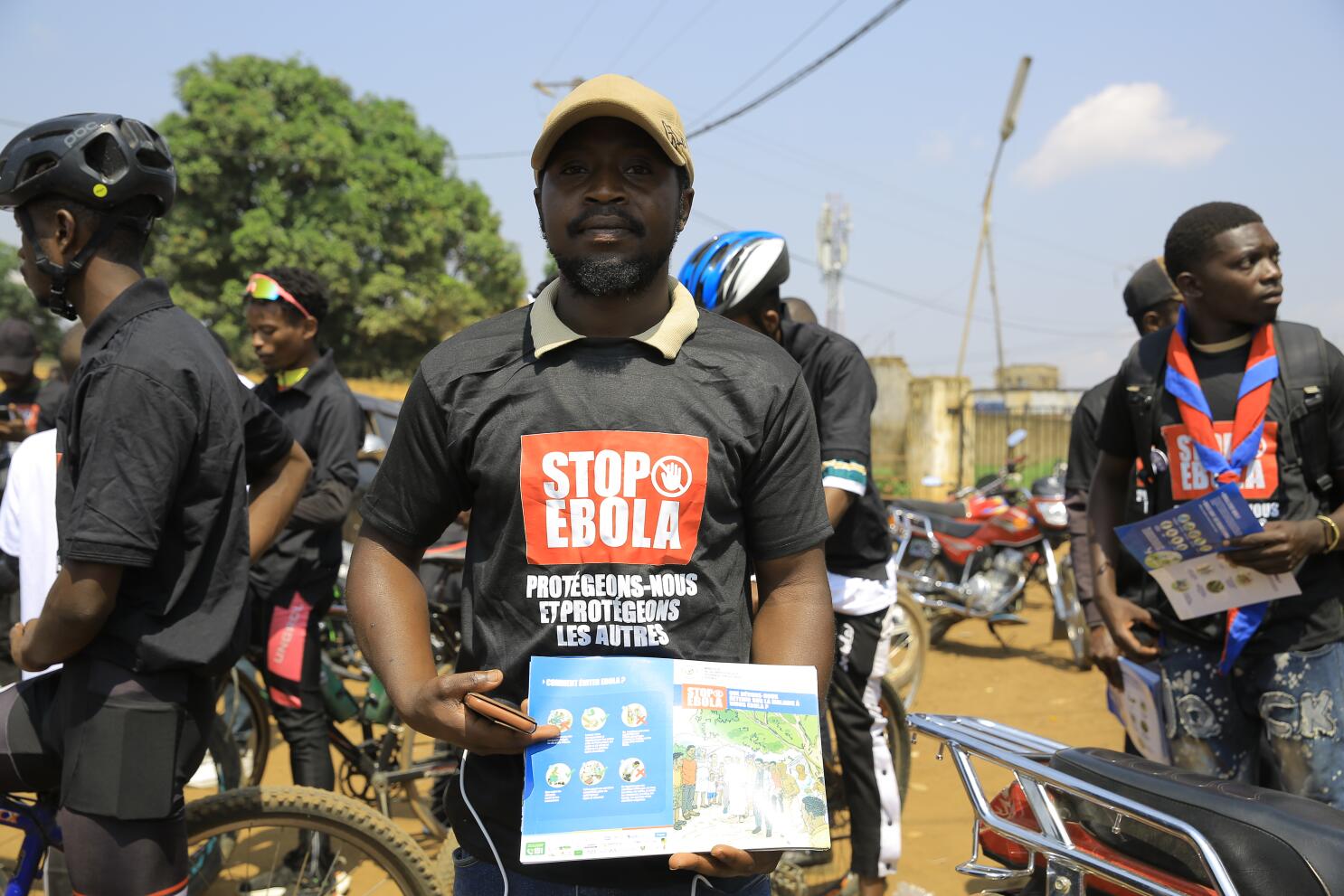
Two babies die of Ebola at Congo orphanage, spotlighting child vulnerability
Two infants have died from Ebola at a church-run orphanage in eastern Democratic Republic of Congo, underscoring the heightened risk to children in the ongoing outbreak. The deaths highlight the vulnerability of the youngest victims to the virus and the strain on essential services.
Key Highlights
- Two babies succumbed to Ebola at a Congo orphanage.
- The outbreak disproportionately affects children, especially the very young.
- Children represent a significant percentage of Ebola cases and deaths.
- Essential health services are strained, impacting child care.
- The Bundibugyo strain of Ebola lacks a specific vaccine or treatment.
- Orphaned and separated children face additional risks of exploitation.
The tragic deaths of two infants from Ebola at a church-run orphanage in eastern Democratic Republic of Congo (DRC) have brought renewed attention to the severe vulnerability of children in the ongoing epidemic. The incident, which occurred in Bunia, Ituri province—an epicenter of the outbreak—underscores the devastating impact the virus is having on the youngest and most defenseless populations. These events serve as a stark reminder of the ongoing crisis that began in May 2026 and has since been declared a Public Health Emergency of International Concern by the World Health Organization (WHO) [4, 10, 18].
The first infant, a newborn named Buswaza, was brought to the orphanage after her mother died from Ebola. Despite the nuns' quick discovery of her fever, she died within days from the virus. Shortly after, another baby, an orphan triplet identified as 'Cherie,' also succumbed to confirmed Ebola. This grim reality highlights how easily the virus can spread within vulnerable settings like orphanages, where close contact is inevitable. The highly infectious nature of Ebola, transmitted through bodily fluids such as vomit, feces, and saliva, poses an extreme risk to infants and young children [15, 16, 21].
Children are disproportionately affected by this particular Ebola outbreak, caused by the Bundibugyo virus. While children under 18 constitute a significant portion of confirmed cases, they represent an even larger proportion of deaths. Reports indicate that children account for approximately 21% of confirmed cases but 33% of reported deaths in the DRC [9]. Furthermore, children under five years old are particularly vulnerable, with a case fatality rate more than double that of adults [7, 12]. This alarming trend emphasizes the critical need for specialized pediatric care, which is often lacking or overwhelmed during outbreaks.
The broader impact of the Ebola epidemic on children extends beyond direct infection. The outbreak has severely disrupted essential health services, leading to a significant decline in access to routine healthcare, including immunizations and antenatal care [7, 12]. Families, fearing infection or finding services unavailable, are increasingly hesitant to seek medical help, exacerbating the risks for children suffering from other treatable illnesses like malaria and diarrhea, which are leading causes of child mortality [12]. UNICEF estimates that around 3 million children and adolescents remain vulnerable not only to Ebola but also to the secondary consequences of weakened health systems [5].
The psychological toll on children is immense. Witnessing the death of loved ones, facing isolation, and enduring stigma can lead to lasting emotional distress [2, 11]. The increasing number of children orphaned or left unaccompanied by Ebola—estimated at over 1,380 orphans registered and 2,469 separated children as of August 2019, with numbers continuing to rise—poses further challenges [8]. These children require specialized care, psychosocial support, and protection from exploitation, trafficking, and abuse, services that are often stretched thin in crisis zones [2, 8, 13].
The outbreak, which began in May 2026, has seen rapid spread, becoming the fastest-growing and second-largest Ebola outbreak on record [5, 17]. It is caused by the Bundibugyo ebolavirus, a strain for which there is no licensed vaccine or specific treatment, complicating containment efforts. Response strategies heavily rely on public health measures, infection prevention, contact tracing, and community engagement [4, 10]. The situation remains fluid, with ongoing international efforts to support the DRC and Uganda in their containment strategies [4, 18]. The deaths at the orphanage serve as a critical reminder of the urgent need for targeted interventions to protect the most vulnerable children amidst this devastating epidemic.
The news is of international significance, as it pertains to a major public health crisis in the Democratic Republic of Congo and Uganda, with potential global health implications and direct relevance to international aid organizations like UNICEF and WHO. While the direct impact on India may be minimal, the event underscores global health vulnerabilities and the critical role of international health organizations in managing such crises, which is of interest to a globally aware audience in India. The reporting date for the original Reuters article is June 10, 2026.
Frequently Asked Questions
How do babies contract Ebola?
Babies can contract Ebola through direct contact with infected bodily fluids (like vomit, feces, and saliva) from an infected mother or caregiver. Transmission can occur in utero, during childbirth, or through close contact after birth. The virus is highly infectious and spreads easily in environments with close proximity, such as orphanages.
Are children more vulnerable to Ebola than adults?
Yes, children, especially infants and those under five years old, are disproportionately affected by Ebola. They have a higher case fatality rate, meaning they are more likely to die if infected, compared to adults. This is due to their developing immune systems and the challenges in providing specialized pediatric care during an outbreak.
What are the long-term effects of Ebola on children?
Beyond the immediate health risks, Ebola can cause significant long-term emotional distress, trauma, and psychosocial issues for children who survive the infection or witness loss. Children orphaned or separated from their families also face risks of stigma, isolation, exploitation, and abuse, requiring sustained protection and support services.
What is being done to protect children during Ebola outbreaks?
Organizations like UNICEF and WHO work to provide specialized pediatric care, psychosocial support, and safe environments for children affected by Ebola. This includes setting up care centers for infants while caregivers are treated, providing infection prevention materials, and working with communities to counter misinformation and stigma. Efforts are also made to ensure the continuity of essential health services for children.