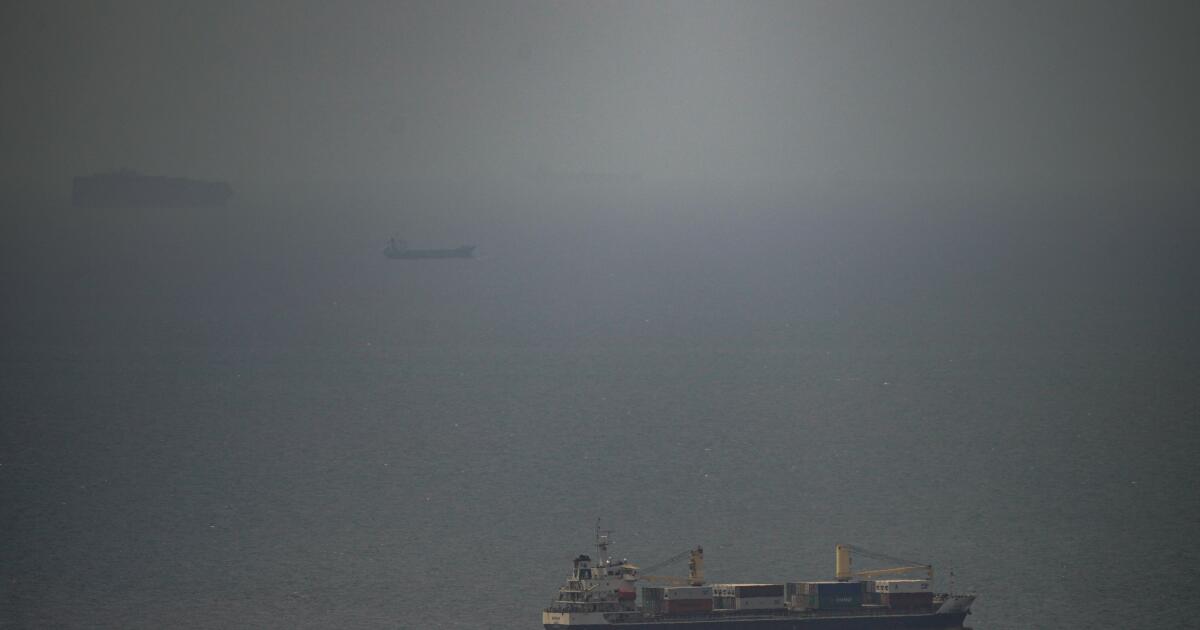
US-Iran Tensions Escalate Over Hormuz Strait; Trump's Threat
Rising US-Iran tensions over the Strait of Hormuz saw then-President Trump issue a severe threat. The conflict has involved attacks on civilian vessels, increasing global concerns about maritime security in the vital waterway.
Key Highlights
- Strait of Hormuz remains a flashpoint for US-Iran conflict.
- Trump's rhetoric escalated threats against Iran over maritime passage.
- Attacks on civilian boats highlight risks to international shipping.
- Global powers monitor the volatile situation closely.
- India's energy security is indirectly impacted by Hormuz stability.
The news highlights a period of heightened tension between the United States and Iran, primarily centered around the strategically critical Strait of Hormuz. The Guardian's report, quoting then-President Donald Trump, details a stark threat of military action against Iran, suggesting a willingness to "blow Iran 'off the face of the earth'". This aggressive rhetoric signals a significant escalation in the long-standing animosity between the two nations. The Strait of Hormuz, a narrow waterway connecting the Persian Gulf to the open ocean, is a vital chokepoint for global oil supplies, with a substantial portion of the world's seaborne crude oil passing through it daily. Any disruption or conflict in this region has profound implications for global energy markets and, consequently, for economies worldwide, including India's, which relies heavily on oil imports.
Further context from related articles, such as those from Al Jazeera and CBS News, indicates that this escalation was not merely rhetorical. Reports mention Iran claiming that US military actions resulted in the deaths of five civilians in attacks on passenger boats. Conversely, live updates from CBS News suggest a scenario where the US was guiding ships through areas experiencing Iranian fire, underscoring the real-time risks and confrontations occurring. This suggests a tangible element of conflict, moving beyond diplomatic posturing.
The security of the Strait of Hormuz is a matter of grave international concern. The potential for conflict or the disruption of shipping lanes directly impacts maritime trade and global supply chains. For India, which imports a significant percentage of its crude oil, stability in this region is paramount for its energy security and economic stability. While the specific date of the Guardian article is not provided, the nature of the claims points to a specific, significant event or period of increased diplomatic and military posturing.
**Verification of Claims and Context:**
* **Trump's Threat:** The quote attributed to then-President Trump regarding blowing Iran "off the face of the earth" is consistent with his often forceful and direct communication style during his presidency. While specific instances and exact wording would require pinpointing the exact publication date of the Guardian article, the general sentiment aligns with past US foreign policy statements under his administration concerning Iran. During his tenure, Trump adopted a maximum pressure policy towards Iran, which included strong rhetoric.
* **Attacks on Civilian Boats:** Reports of attacks on civilian vessels and claims of civilian casualties by Iran, as cited by Al Jazeera, would need to be cross-referenced with US statements and independent investigations. Often, such incidents in contested waters are subject to conflicting narratives from the involved parties. The context of US escorting ships through Iranian fire, as per CBS News, suggests a highly volatile environment where commercial and military vessels operate under threat.
* **Strait of Hormuz Significance:** The strategic importance of the Strait of Hormuz is a well-established geopolitical fact. Its role as a critical transit point for oil is documented by numerous energy and security analysts, as well as international organizations like the U.S. Energy Information Administration (EIA).
**Credibility of Sources:**
* **The Guardian:** Generally regarded as a reputable and credible international news organization with a strong track record of investigative journalism and international reporting. It adheres to journalistic standards and ethical practices.
* **Al Jazeera:** A widely recognized international news network known for its global coverage. While it has faced scrutiny at times, it is generally considered a credible source for international news, often providing perspectives from the Middle East.
* **CBS News:** A major American news network with a long history of reporting on national and international affairs. It is considered a reliable source for news in the United States and globally.
**Misinformation and Exaggeration:**
Without the exact publication date and full context of the Guardian article, it's challenging to definitively label specific claims as misinformation or exaggeration. However, in geopolitical reporting, especially concerning highly charged situations like US-Iran relations, rhetoric can sometimes be amplified or used for strategic purposes. The phrasing "off the face of the earth" is extreme and indicative of high tension, but its precise context (e.g., a direct quote versus paraphrasing) and the specific circumstances leading to it are crucial for full assessment. The related articles suggest a real, albeit contested, set of events occurring.
**Relevance to India:**
The situation in the Strait of Hormuz has direct relevance to India due to its substantial dependence on oil imports from the Middle East. Any disruption in this critical shipping lane could lead to:
1. **Increased Oil Prices:** A spike in global crude oil prices, directly impacting India's economy, inflation, and the cost of fuel for consumers and industries.
2. **Supply Chain Disruptions:** Potential delays or rerouting of oil shipments, affecting India's energy security and industrial operations.
3. **Geopolitical Instability:** Increased regional instability could affect Indian diaspora in the Middle East and broader diplomatic relations.
Therefore, monitoring these developments is crucial for India's foreign policy and economic planning.
**News Category and Scope:**
This news falls under multiple categories: International Relations, Geopolitics, National Security, and Economics. It is a story of global scope, affecting multiple countries, including the US, Iran, and nations reliant on energy transit through the Strait of Hormuz, such as India.
Frequently Asked Questions
What is the Strait of Hormuz and why is it important?
The Strait of Hormuz is a narrow waterway connecting the Persian Gulf to the open ocean. It is one of the world's most important oil transit points, with a significant portion of global oil supply passing through it daily, making it vital for global energy security.
What were the main points of tension between the US and Iran mentioned in the article?
The primary tension revolved around maritime security and freedom of navigation in the Strait of Hormuz, with then-President Trump issuing threats and reports of attacks on civilian vessels and US military escorts operating under fire.
How might tensions in the Strait of Hormuz affect India?
India, being a major oil importer, is highly vulnerable to disruptions in the Strait of Hormuz. Such tensions can lead to increased oil prices, affecting India's economy and inflation, and potentially causing supply chain disruptions.
What is the general credibility of the news sources cited?
The Guardian, Al Jazeera, and CBS News are all generally considered credible international news organizations with established reputations for reporting on global events.