Indian Worker Killed in Iranian Strike on Kuwait Power Plant Amid Escalating Gulf Conflict
An Iranian missile strike on a power and water desalination plant in Kuwait on Sunday, March 29, 2026, tragically killed one Indian worker and caused significant damage. The attack is part of escalating regional hostilities stemming from the ongoing US-Israel war on Iran, which has drawn in Gulf nations and severely impacted global stability and oil markets.
Key Highlights
- Iranian strike hit Kuwaiti power and desalination plant.
- One Indian national confirmed killed in the attack.
- Incident occurred amid ongoing US-Israel-Iran regional conflict.
- Kuwaiti Ministry of Electricity condemned the 'Iranian aggression'.
- Damage reported to a service building at the critical facility.
- Escalation of hostilities impacting Middle East and global economy.
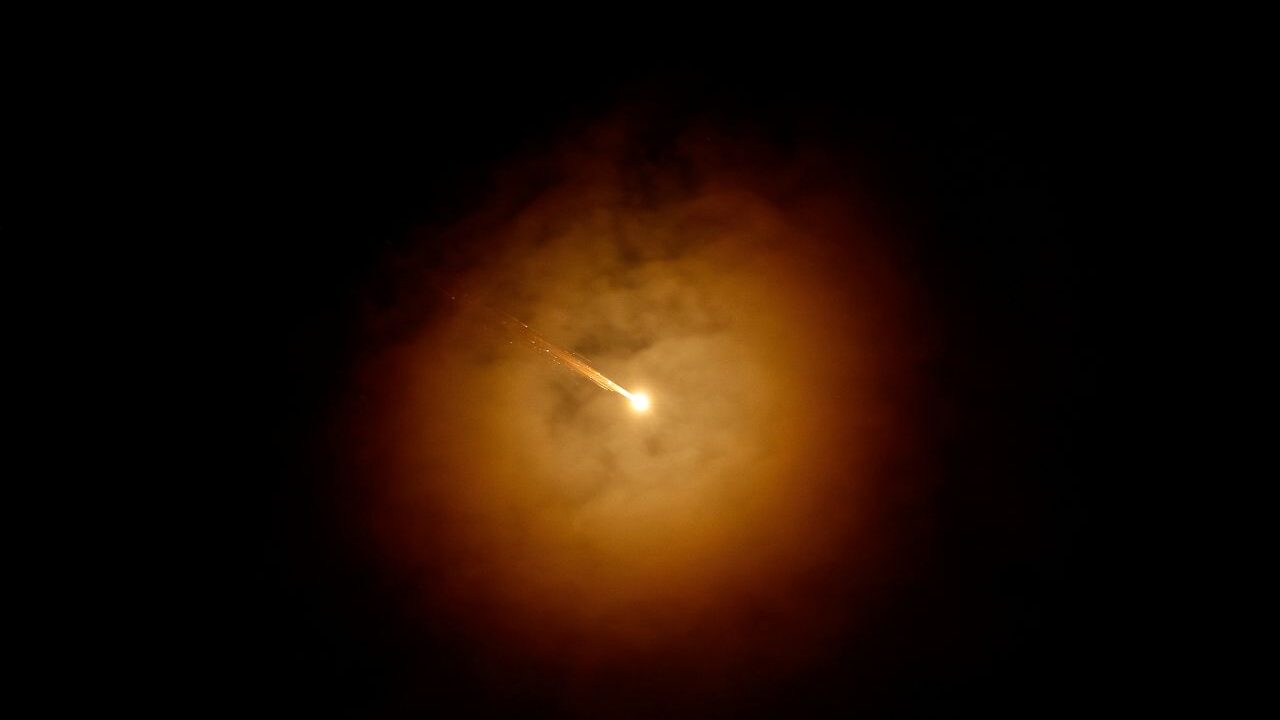
An Iranian missile strike targeted a power and water desalination plant in Kuwait on Sunday, March 29, 2026, resulting in the death of an Indian worker and significant material damage to a service building at the facility. The Kuwaiti Ministry of Electricity, Water, and Renewable Energy officially confirmed the incident on Monday, March 30, 2026, describing it as "Iranian aggression" against the state.
This deadly attack is a stark manifestation of the escalating broader conflict in the Middle East, commonly referred to as the US-Israel war on Iran, which commenced on February 28, 2026. Since the initial joint US and Israeli strikes on Iran, Tehran has retaliated with a series of drone and missile attacks targeting Israel and various Gulf countries that host US military assets. Kuwait, despite asserting its neutrality and not allowing its territory to be used for attacks against Iran, has unfortunately become a target in this wider regional escalation.
The Indian Embassy in Kuwait also confirmed the tragic demise of the Indian national on Monday, March 30, 2026, expressing its deepest condolences and stating that it is closely coordinating with Kuwaiti authorities to provide all possible support and assistance. This incident elevates the total number of Indian fatalities in the West Asia conflict to at least eight, underscoring the severe risks faced by the large Indian expatriate workforce across the Gulf region. Previous incidents in the ongoing conflict have also claimed Indian lives in countries such as the United Arab Emirates and Saudi Arabia.
Kuwaiti authorities reported that technical and emergency response teams were immediately dispatched to the affected power and desalination plant to manage the aftermath, contain the damage, and ensure the continued efficiency and stability of operations. The Ministry's spokesperson, Fatima Abbas Jawhar Hayat, urged the public to remain calm, avoid rumors, and rely only on official sources for information, affirming transparent updates would be provided. Desalination plants are particularly critical infrastructure in Kuwait, as the nation relies on desalinated seawater for approximately 90% of its drinking supply, making such attacks a significant vulnerability.
The broader regional conflict has led to profound global implications, causing havoc on the world economy. Oil prices have soared, with the main US benchmark rising past $100 a barrel and Brent crude nearing $117. Trade disruptions, particularly concerning the Strait of Hormuz through which a significant portion of global oil and liquefied natural gas passes, have exacerbated fuel shortages across Asia and caused turmoil in stock markets. US President Donald Trump has been vocal regarding the conflict, making statements about potential deals with Iran and even suggesting the possibility of seizing Kharg Island, Iran's primary oil export terminal. Despite talks of negotiations, including offers from Pakistan to facilitate dialogue, the fighting continues to intensify. Iran has warned it will retaliate against energy infrastructure in neighboring countries that host US military bases if they are used for attacks against Iran. This ongoing geopolitical instability underscores the critical nature of the situation and its widespread impact beyond the immediate conflict zones.
Frequently Asked Questions
What happened at the Kuwaiti power station?
An Iranian missile strike targeted a power and water desalination plant in Kuwait on Sunday, March 29, 2026, causing significant damage to a service building and resulting in the death of one Indian worker.
How many Indian workers have been affected by the ongoing conflict in West Asia?
The Indian worker killed in Kuwait raises the total number of Indian fatalities in the West Asia conflict to at least eight. Several other Indians have also been injured in various attacks across the Gulf region.
What is the broader context of this attack?
This attack is part of the wider 'US-Israel war on Iran' that began on February 28, 2026. Iran has been retaliating against US and Israeli strikes by targeting military assets and critical infrastructure in Gulf countries.
What are the global implications of this escalating conflict?
The conflict has significantly impacted the global economy, leading to a surge in oil prices, disruptions in trade (especially through the Strait of Hormuz), and turmoil in international stock markets.
Has Kuwait taken any steps in response to the attack?
Kuwait's Ministry of Electricity, Water, and Renewable Energy condemned the attack as 'Iranian aggression' and immediately dispatched technical and emergency teams to the site to address the damage and ensure continuity of essential services.