Govt cuts subsidised LPG cylinders for Ujjwala beneficiaries to 4
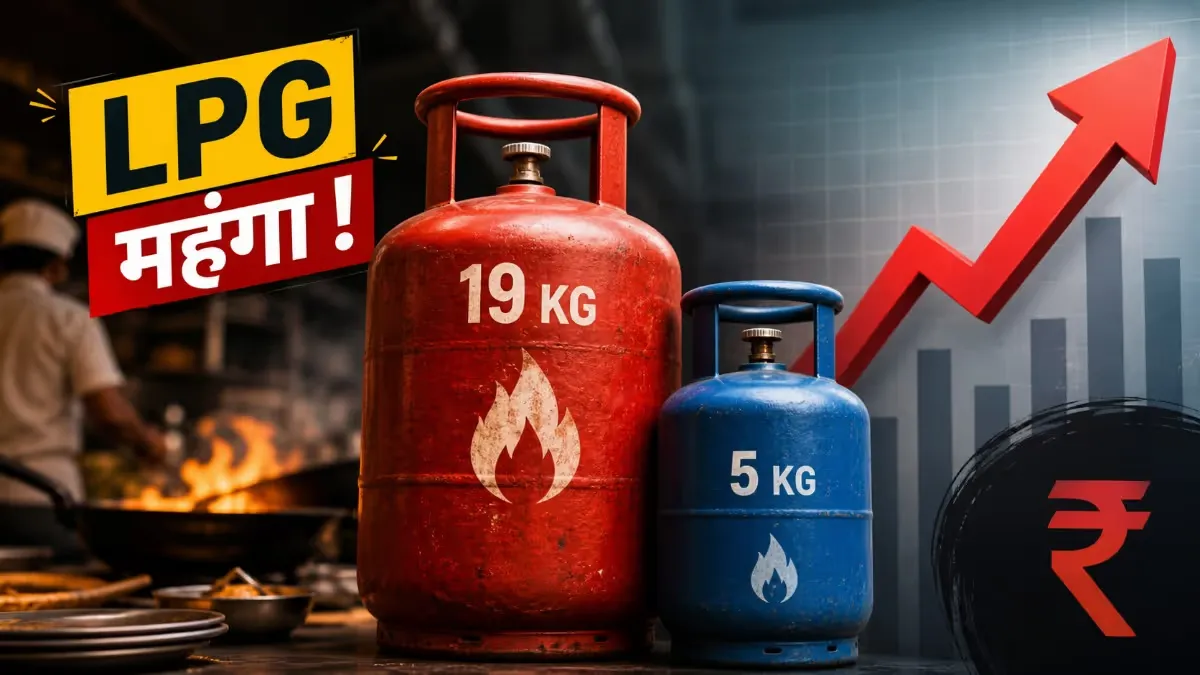
The Indian government has reduced the number of subsidised LPG cylinders available annually under the Pradhan Mantri Ujjwala Yojana (PMUY) from nine to four. This decision, aimed at aligning support with average household consumption and controlling fuel subsidies, was communicated alongside an increase in LPG prices.
Key Highlights
- Ujjwala Yojana subsidy reduced from 9 to 4 cylinders annually.
- Subsidy amount remains ₹300 per cylinder for the first four refills.
- Reduction aims to align with average household consumption and control costs.
- Previous reduction saw the quota cut from 12 to 9 cylinders last year.
- LPG prices have also seen increases recently.
- The change impacts approximately 105 million Ujjwala beneficiaries.
The Indian government has significantly reduced the number of subsidised Liquefied Petroleum Gas (LPG) cylinders available annually to beneficiaries of the Pradhan Mantri Ujjwala Yojana (PMUY). The entitlement has been cut from nine to four cylinders per year, a move that aligns the support with the average annual consumption of beneficiary households and aims to control rising fuel subsidy costs. This reduction was communicated implicitly in a recent government statement justifying a ₹29 increase in the price of a 14.2 kg LPG cylinder, which was announced on Sunday, June 7, 2026..
The Pradhan Mantri Ujjwala Yojana, launched in May 2016, initially provided beneficiaries with a subsidy on up to 12 LPG cylinders annually. This quota was subsequently reduced to nine cylinders in August 2025. The latest revision brings the subsidised cylinder limit down to four per year. Despite this reduction in quantity, the subsidy amount of ₹300 per 14.2-kg cylinder remains in place for these first four refills. This translates to an annual subsidy benefit of ₹1,200 per household.
According to Praveen Mal Khanooja, Additional Secretary in the Ministry of Petroleum and Natural Gas, the revised entitlement broadly reflects the average annual consumption of Ujjwala beneficiaries, which is estimated to be around four to five cylinders per year. He also noted that even after the recent price hike and the reduction in subsidised cylinders, LPG remains significantly cheaper in India compared to international market rates. State-run oil companies are reportedly still incurring losses of approximately ₹700 on every 14.2 kg LPG refill, as well as losses on petrol and diesel prices.
The move to reduce the number of subsidised cylinders comes amidst rising global energy costs, partly attributed to geopolitical tensions and supply disruptions in West Asia. The international price of LPG has seen an upward trend, pushing the cost of a domestic cylinder to over ₹1,600. Consequently, public sector oil marketing companies (OMCs) have faced increased financial burdens and under-recoveries.
While the government states that the reduction is aimed at aligning with average consumption and controlling subsidy outgo, some experts suggest it is also an effort to check the ballooning fuel subsidy bill. Officials have also flagged alleged diversion of cylinders for commercial use as a reason for the cut, aiming to plug system leakages and ensure that government support reaches genuine users.
For beneficiaries, the effective price of a 14.2-kg LPG cylinder in Delhi, after the ₹300 subsidy on the first four refills, is ₹642, compared to ₹942 for general consumers. The government asserts that this still represents a substantial indirect subsidy, with Ujjwala beneficiaries effectively receiving support of around ₹1,000 per cylinder compared to the estimated supply cost of ₹1,600.
The Pradhan Mantri Ujjwala Yojana was launched in May 2016 with the objective of providing clean cooking fuel to women from Below Poverty Line (BPL) households. The scheme has been expanded over the years, with Ujjwala 2.0 launched in August 2021 to provide additional connections. As of March 1, 2026, there were about 10.56 crore PMUY connections across the country. The total number of active domestic LPG consumers in India stands at approximately 32.94 crore.
To receive the subsidy, beneficiaries must ensure their Aadhaar is linked to their bank account and LPG consumer number for Direct Benefit Transfer (DBT). The subsidy amount is credited to the beneficiary's bank account after the purchase of the cylinder. The government has clarified that there is no restriction on the number of cylinders a beneficiary can purchase; however, the subsidy is capped at the first four refills annually.
Frequently Asked Questions
What is the Pradhan Mantri Ujjwala Yojana (PMUY)?
The Pradhan Mantri Ujjwala Yojana is a government scheme launched in May 2016 to provide deposit-free LPG connections to adult women from Below Poverty Line (BPL) households, aiming to provide access to clean cooking fuel.
How many subsidised LPG cylinders are now available under the Ujjwala Yojana?
Under the revised guidelines, Ujjwala Yojana beneficiaries are now entitled to four subsidised LPG cylinders per year.
What is the subsidy amount per cylinder for Ujjwala beneficiaries?
The subsidy amount remains ₹300 per 14.2-kg cylinder for the first four refills annually.
Why has the government reduced the number of subsidised cylinders?
The government cited the need to align support with average household consumption, control rising fuel subsidy costs, and address alleged misuse of cylinders for commercial purposes.