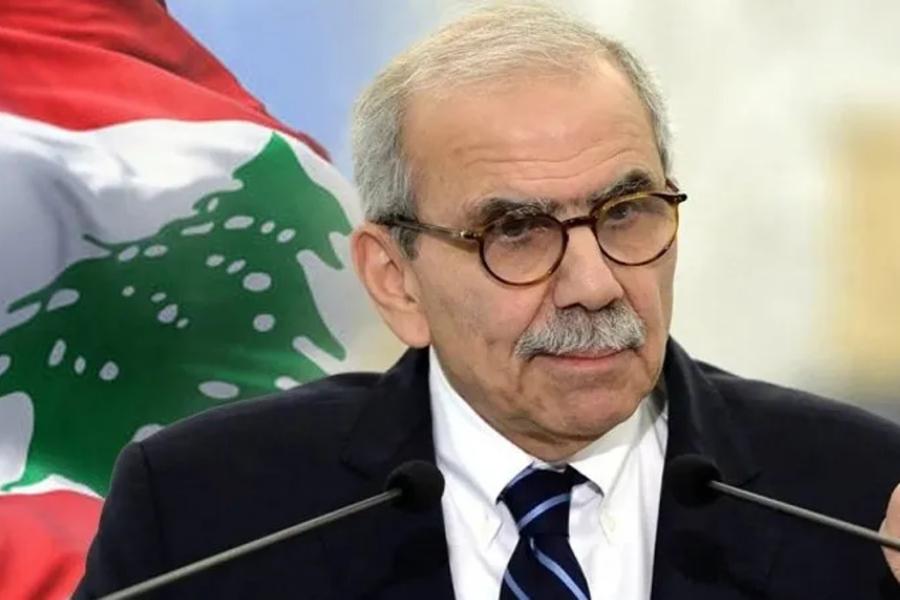
Lebanon Bans Hezbollah Military Actions After Israel Attack
Lebanon's Prime Minister Nawaf Salam has declared a ban on all military and security activities of Hezbollah, deeming them illegal. This decision follows Hezbollah's rocket and drone attacks on Israel, which were launched in retaliation for the killing of Iran's Supreme Leader Ayatollah Ali Khamenei. Israel responded with airstrikes in Lebanon, resulting in casualties. The Lebanese government's move asserts the state's sole authority over decisions of war and peace.
Key Highlights
- Lebanese PM bans Hezbollah's military activities.
- Hezbollah attacked Israel in retaliation for Khamenei's killing.
- Israel launched airstrikes on Lebanon following Hezbollah's attack.
- Lebanon asserts state's exclusive right to war decisions.
- Hezbollah's activities deemed illegal by Lebanese government.
- Demand for Hezbollah to surrender weapons to the state.
In a significant development, Lebanese Prime Minister Nawaf Salam has announced an immediate ban on all military and security activities undertaken by Hezbollah. This decisive action, declared on March 2, 2026, brands these activities as illegal and aims to restrict the group's role strictly to the political sphere. The government's stance asserts Lebanon's exclusive authority over decisions concerning war and peace, demanding that Hezbollah surrender its weapons to the state.
This move by the Lebanese government comes in the immediate aftermath of Hezbollah launching rocket and drone attacks towards Israel. Hezbollah stated that these attacks were in retaliation for the killing of Iran's Supreme Leader Ayatollah Ali Khamenei, who died in a bombing on Saturday. In response to Hezbollah's actions, Israel initiated heavy airstrikes on southern Beirut and other areas in Lebanon. According to the Lebanese health ministry, these Israeli strikes resulted in at least 31 fatalities and 149 injuries. The Israeli military stated that its actions were a response to the Hezbollah attacks and warned of further strikes, issuing evacuation orders for civilians in numerous Lebanese towns and villages.
The Lebanese Prime Minister's declaration is a notable break from previous government stances, as Hezbollah has historically operated with a degree of autonomy. The government has previously agreed to plans for disarming Hezbollah, but these efforts have faced significant challenges. The Taif Accords, signed at the end of the Lebanese Civil War, and subsequent UN Security Council resolutions have called for the disarmament of militias in Lebanon. Despite these calls, Hezbollah has maintained and expanded its military capabilities, with its armed wing reportedly being stronger than the Lebanese Armed Forces. Previous government plans to disarm Hezbollah, such as the 'Homeland Shield Plan' and a phased approach to dismantling arsenals, have been underway but have encountered resistance and complexities.
Prime Minister Salam emphasized Lebanon's commitment to the cessation of hostilities and the resumption of negotiations, reiterating the government's rejection of any military operations launched from Lebanese territory outside the framework of legitimate institutions. The government has instructed the Lebanese military and security agencies to take immediate measures to prevent any military operations or the launching of projectiles from Lebanese territory and to apprehend violators. The ban aims to consolidate the state's control over security and military decisions, a move likely to increase tensions with Hezbollah, which operates as both a political party represented in parliament and a powerful paramilitary force.
The broader regional context involves escalating tensions between Iran, Israel, and the United States, with the conflict widening across the Middle East. The initial trigger for the current escalation appears to be the killing of Iran's Supreme Leader Ayatollah Ali Khamenei, leading to retaliatory actions from Iran and its allies, including Hezbollah. The situation remains highly volatile, with the potential for further escalation across the region.
Frequently Asked Questions
What did the Lebanese Prime Minister ban?
Lebanese Prime Minister Nawaf Salam announced an immediate ban on all military and security activities of Hezbollah, deeming them illegal and restricting the group to political endeavors.
Why did the Lebanese government take this action?
The ban was imposed after Hezbollah launched rocket and drone attacks on Israel. The Lebanese government asserted its sole authority over decisions of war and peace and stated that such military actions from Lebanese territory are illegal.
What was Hezbollah's stated reason for attacking Israel?
Hezbollah stated that its attack on Israel was in retaliation for the killing of Iran's Supreme Leader Ayatollah Ali Khamenei.
What was Israel's response to Hezbollah's attack?
Israel responded with heavy airstrikes on southern Beirut and other areas in Lebanon, resulting in casualties.
Has the Lebanese government tried to disarm Hezbollah before?
Yes, the Lebanese government has previously agreed to plans for disarming Hezbollah, with efforts underway to consolidate state control over weapons, though these have faced challenges.