Iran Offers Strait of Hormuz Deal, Seeks Russian Support
Iran has reportedly offered a new deal to the US concerning the Strait of Hormuz, coinciding with a visit by Iranian official Araghchi to Russia for talks with President Putin. The specifics of the deal remain unclear, but it signals ongoing diplomatic maneuvering amidst regional tensions.
Key Highlights
- Iran proposes new deal to the US over Hormuz Strait.
- Iranian official Araghchi in Russia for talks with Putin.
- Diplomatic efforts intensify amid regional geopolitical shifts.
- Strait of Hormuz remains a critical global energy chokepoint.
Recent reports indicate that Iran has put forth a new proposal to the United States concerning the critical Strait of Hormuz. The announcement was made concurrently with the arrival of Iranian Deputy Foreign Minister Abbas Araghchi in Russia for high-level discussions with President Vladimir Putin. While the precise details of the proposed deal remain undisclosed, its timing suggests a strategic diplomatic initiative by Tehran amidst heightened regional tensions and ongoing international negotiations, particularly concerning Iran's nuclear program.
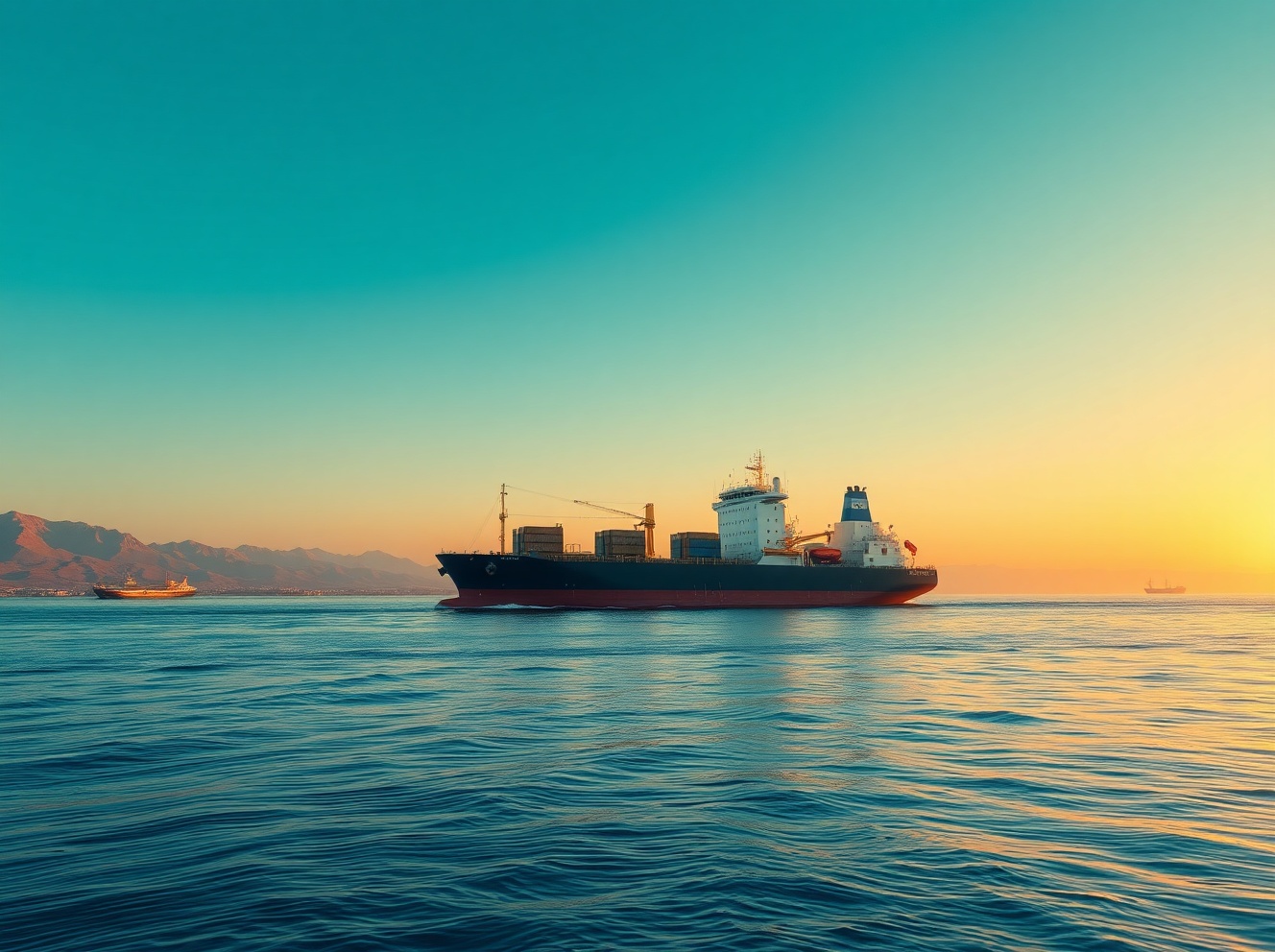
The Strait of Hormuz is a vital international waterway, serving as a crucial chokepoint for global oil and gas transit. Approximately 20% of the world's total oil consumption passes through this narrow strait, making any disruption to its passage a significant concern for global energy security and international markets. Iran has previously threatened to close the strait in response to perceived threats or sanctions, a move that would have severe economic repercussions worldwide.
Araghchi's visit to Moscow is significant, given Russia's role as a key player in regional geopolitics and its long-standing relationship with Iran. The discussions with President Putin are likely to encompass a range of issues, including bilateral relations, regional security, and the ongoing nuclear talks. Russia has consistently advocated for a diplomatic resolution to the Iranian nuclear issue and has been a recipient of Iranian overtures seeking to build international support or facilitate dialogue.
The nature of the "new deal" offered to the US is a focal point of speculation. It could potentially involve a quid pro quo related to sanctions relief, de-escalation of military posturing in the Persian Gulf, or assurances regarding freedom of navigation through the Strait of Hormuz. However, without official confirmation or further details, assessing the viability or intent behind the proposal remains challenging. The US has maintained a firm stance on Iran's regional activities and its nuclear ambitions, making any breakthrough contingent on significant shifts in policy or verifiable actions from Tehran.
This development occurs against a backdrop of complex geopolitical dynamics. The US has been engaged in efforts to revive the Iran nuclear deal, also known as the Joint Comprehensive Plan of Action (JCPOA), though progress has been slow and fraught with difficulties. Iran, meanwhile, continues to pursue its strategic objectives in the region, often in direct or indirect opposition to US interests and those of its allies. The potential reopening or continued free passage through the Strait of Hormuz is intrinsically linked to the broader context of these negotiations and the prevailing security environment in the Middle East.
For India, the developments in the Persian Gulf and the Strait of Hormuz carry significant implications. India relies heavily on oil imports, with a substantial portion sourced from the Middle East. Therefore, any instability or disruption in the Strait of Hormuz could directly impact India's energy security and economic stability. Furthermore, India maintains strategic ties with both Iran and the US, necessitating a careful balancing act in its foreign policy. India has consistently called for diplomatic solutions to regional conflicts and has emphasized the importance of unimpeded maritime trade.
The news article from Mint, while reporting on these developments, would need to be scrutinized for its sourcing and the verification of specific claims. The mention of "LIVE" in the original title suggests a developing story, and thus, the information needs to be contextualized within the most current available data. The visit of Araghchi to Russia and any potential new proposals to the US are critical pieces of information that, if confirmed and elaborated upon, could significantly influence regional stability and global energy markets. The article's accuracy hinges on the credibility of its sources and the timeliness of the information it presents, especially concerning the specifics of the Iranian offer and the outcomes of the Russia-Iran talks.
Frequently Asked Questions
What is the Strait of Hormuz and why is it important?
The Strait of Hormuz is a narrow waterway connecting the Persian Gulf to the Gulf of Oman and the open sea. It is a critical chokepoint for global oil transport, with a significant percentage of the world's oil supply passing through it daily.
Who is Abbas Araghchi and what was his visit to Russia about?
Abbas Araghchi is Iran's Deputy Foreign Minister. His visit to Russia was for high-level diplomatic talks, likely focusing on regional security, bilateral relations, and potentially the ongoing international negotiations concerning Iran's nuclear program.
What are the implications of Iran offering a 'new deal' regarding the Strait of Hormuz?
An offer concerning the Strait of Hormuz could relate to maritime security, freedom of navigation, or de-escalation of regional tensions. Such a deal would have significant implications for global energy markets and geopolitical stability in the Middle East.