Monsoon Covers Entire India, IMD Forecasts Below-Normal Rains Ahead
The Southwest Monsoon has officially covered the entire country as of July 9, 2026, a day later than its normal schedule, according to the India Meteorological Department (IMD). Despite a sluggish start in June, intense rainfall in early July significantly reduced the overall deficit, though below-normal rains are projected for the latter half of July and the season due to El Niño.
Key Highlights
- Southwest Monsoon covered entire India on July 9, 2026.
- Coverage was delayed by one day from the normal July 8 date.
- June saw a significant rainfall deficit, now reduced by July rains.
- IMD forecasts below-normal rainfall for remaining July and monsoon season.
- El Niño conditions are anticipated to impact seasonal rainfall.
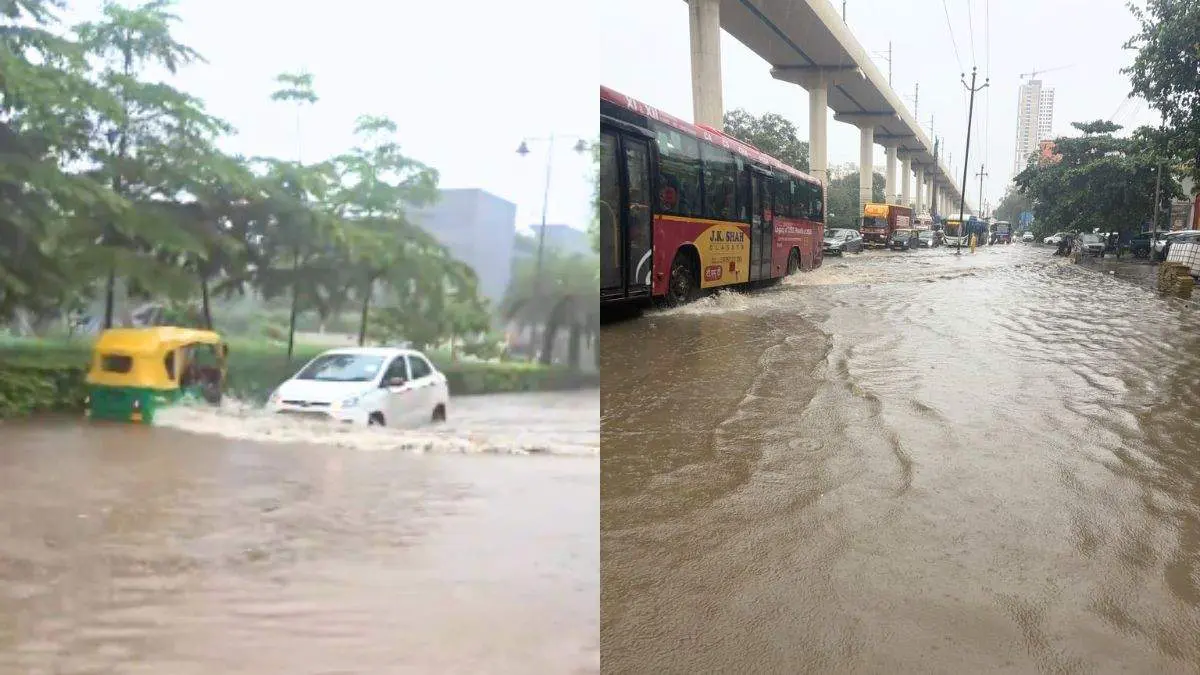
- Widespread heavy rains triggered floods and waterlogging across states.
The India Meteorological Department (IMD) announced on Thursday, July 9, 2026, that the Southwest Monsoon has successfully covered the entire geographical expanse of India. This significant milestone was achieved after the monsoon advanced into the remaining parts of the north Arabian Sea, Rajasthan, Haryana, and Punjab. While the nationwide coverage is a welcome development for the agricultural sector, it arrived a day later than its normal date of July 8.
The monsoon's journey this year began with a delayed onset over Kerala, where it arrived on June 4, three days later than the usual June 1 commencement date. This delayed start, combined with a subsequent lull in its advance, contributed to a significant rainfall deficit across the country in June, with India experiencing around 38-40% below-average rainfall for the month, marking one of the driest starts in decades. June's rainfall, at 99.5 mm, was the fifth-lowest recorded for the month since 1901.
However, the monsoon witnessed a remarkable revival in early July, driven partly by a depression from the Bay of Bengal. This active phase led to intense and widespread rainfall across many regions, dramatically reducing the cumulative rainfall deficit. As of July 8 and 9, the all-India rainfall deficit has sharply narrowed to approximately 14-15.2%. Some regions, including parts of central and northwest India, even experienced a surplus in the first week of July, with the country recording a 42% excess rainfall between July 1 and July 8.
Despite this recent surge, the IMD has issued a forecast for below-normal rainfall during the remainder of July, defined as less than 94% of the long-period average (LPA). Rainfall is expected to gradually weaken from July 10 onwards, with below-normal conditions likely to prevail across the country from July 15. For the entire June-September monsoon season, the IMD predicts below-normal rainfall, around 90% of the LPA, largely attributed to the strengthening El Niño conditions in the equatorial Pacific Ocean, which are typically associated with suppressed rainfall over India.
The current active monsoon conditions have also brought severe weather events across the country. Torrential rains have triggered widespread waterlogging, flash floods, and landslides in several states. Delhi, for instance, experienced one of its heaviest spells of rain, leading to significant waterlogging in areas like New Delhi Railway Station and Munirka, and disrupting daily life. Mumbai and other parts of Maharashtra also grappled with heavy rainfall and related incidents, including a building collapse in Pimpri Chinchwad. Flash floods and landslides were reported in hilly regions like Uttarakhand, Himachal Pradesh, Jammu & Kashmir (Kishtwar), and Kerala (Wayanad), with fatalities recorded in some incidents. The IMD has issued red and orange alerts for various regions, warning of heavy to very heavy rainfall, with isolated extremely heavy rainfall expected in states like Uttarakhand, Assam, Meghalaya, and parts of Uttar Pradesh.
The timing of the nationwide monsoon coverage varies historically. Since 1971, the monsoon has covered the country on dates ranging from June 16 in 2013 to as late as August 15 in 2002. This year's coverage on July 9 is the slowest since 2021, when it covered the country on July 12. While the speed of the monsoon's geographical advance doesn't singularly determine the seasonal rainfall, the interplay of global warming, which leads to more intense, short-duration rainfall spells, and phenomena like El Niño, significantly influences the monsoon's character and overall impact. The deficient monsoon in June has also affected Kharif sowing, with agricultural land under cultivation lagging behind previous years.
Frequently Asked Questions
When did the Southwest Monsoon cover the entire country in 2026?
The Southwest Monsoon officially covered the entire country on July 9, 2026, according to an announcement by the India Meteorological Department (IMD).
Was the monsoon's advance on schedule this year?
The monsoon's nationwide coverage on July 9, 2026, was delayed by one day from its normal date of July 8. Its onset over Kerala on June 4 was also three days later than the usual June 1.
What is the rainfall forecast for the remainder of July and the monsoon season?
The IMD has forecast below-normal rainfall for the rest of July and for the entire June-September monsoon season, predicting about 90% of the Long Period Average (LPA). This is largely due to the anticipated impact of El Niño conditions.
How has the monsoon affected rainfall deficit so far?
After a significant rainfall deficit of 38-40% in June, heavy rains in early July led to a dramatic reduction, bringing the cumulative all-India rainfall deficit down to about 14-15.2% as of July 9.
What are the immediate impacts of the heavy monsoon rains?
The heavy monsoon rains have caused widespread waterlogging and traffic disruptions in major cities like Delhi and Mumbai, and triggered flash floods and landslides in several other states including Uttarakhand, Himachal Pradesh, and Kerala.