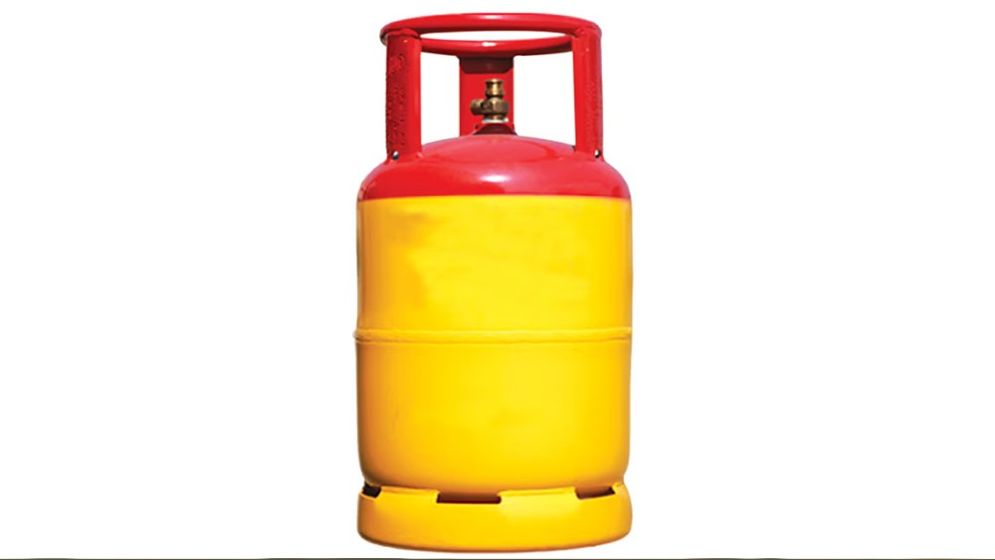
India Restores Commercial LPG Supply to Pre-Crisis Levels
India's government has fully restored commercial LPG supplies to pre-crisis levels and lifted all restrictions, easing pressure on businesses. This decision follows the de-escalation of the West Asia conflict and improved global energy availability, bringing relief to affected sectors.
Key Highlights
- Commercial LPG supply fully restored to pre-crisis levels.
- All sector-specific restrictions on LPG supply removed.
- Decision driven by easing West Asia conflict and improved supply.
- Previous curbs severely impacted hospitality and industrial sectors.
- Bulk LPG supplies also partially restored to 50% of pre-crisis levels.
- Government continues push for Piped Natural Gas (PNG) expansion.
The Union Petroleum Ministry in India announced on June 25, 2026, a significant decision to restore commercial Liquefied Petroleum Gas (LPG) supply to pre-crisis levels, simultaneously removing all sector-specific restrictions that had been in place. This move, which came into effect on Thursday, June 25, 2026, offers substantial relief to commercial and industrial users of bottled hydrocarbon gas across the country.
The decision to lift these restrictions was a direct consequence of the easing geopolitical tensions in West Asia and the subsequent improvement in the overall LPG supply situation, both domestically and internationally. Reports indicate that the culmination of the West Asia conflict, including a US-Iran peace deal and a ceasefire, led to the resumption of maritime traffic through the strategically vital Strait of Hormuz. This waterway is crucial for global energy shipments, and its disruption had a profound impact on India, which imports a substantial portion of its crude oil and natural gas requirements from the region.
Earlier in the year, at the peak of the West Asia crisis in early March 2026, the Indian government had implemented emergency measures to safeguard domestic LPG availability. These included imposing temporary restrictions on the supply of commercial LPG. The rationale behind these curbs was to ensure an uninterrupted supply of cooking gas to households, prioritizing the needs of domestic consumers amidst global supply chain uncertainties.
Under these emergency directives, industrial and commercial LPG allocation was initially suspended and then gradually restored in phases, eventually reaching up to 70% of pre-crisis levels. Furthermore, a critical measure involved mandating that all propane and butane molecules – byproducts of the crude oil refining process – be exclusively diverted for domestic LPG production. This diverted these crucial hydrocarbons from their alternative uses in petrochemical and allied sectors, impacting various industries. The government also sought that all C3-C4 streams be utilized solely for LPG production to augment domestic output.
The impact of these curtailed commercial LPG supplies was significant and widespread. Industries, particularly the hospitality sector, including hotels, restaurants, and eateries, bore the brunt of the restrictions. Commercial establishments faced operational challenges, with many having to limit their menus, explore alternative cooking methods like electric induction, or unfortunately, resort to purchasing unregulated cylinders at exorbitant rates from the black market. Even large fast-food chains like Jubilant Foodworks, operating Domino's Pizza and Dunkin' Doughnuts, reported operational impacts due to the supply constraints. The restrictions also affected heavy industries reliant on LPG.
With the recent governmental directives, not only has the supply of non-domestic packed LPG been fully restored, but the Ministry of Petroleum and Natural Gas has also relaxed the suspension on bulk LPG supplies. These bulk supplies, which had been completely halted at the onset of the crisis, are now restored to 50% of their pre-crisis consumption levels, providing further relief to industrial and commercial consumers. The earlier mandate to divert C3-C4 streams exclusively for LPG production has also been scaled back, allowing for enhanced allocation of these streams for non-LPG uses, provided domestic LPG availability remains unaffected and aggregate indigenous LPG production is maintained at not less than 40 TMT per day.
This swift action by the government highlights India's vulnerability to global energy supply disruptions. India is the world's third-largest oil importer and consumer, with about 88% of its crude oil requirements and around half of its natural gas needs being imported. A significant portion of these imports, approximately 40-45% of crude oil and nearly 65% of liquefied natural gas (LNG), originates from West Asia, making the country highly susceptible to any instability in the region.
Looking ahead, the government continues its strategic push to expand Piped Natural Gas (PNG) connectivity across the country. This initiative aims to reduce India's structural dependence on LPG for cooking energy. Commercial and bulk consumers who have already transitioned to PNG are encouraged to continue using it, and eligible LPG consumers with access to the PNG network or those in the process of shifting will be progressively transitioned in coordination with City Gas Distribution (CGD) entities. This long-term solution is vital for India's energy security and aims to diversify the cooking energy mix.
Industry experts and stakeholders are optimistic that the full restoration of supplies, coupled with the apparent end of the West Asia crisis, will lead to a reduction in LPG prices. These prices had more than doubled in the preceding months, creating significant financial strain on businesses and consumers. The latest policy move is also anticipated to boost LPG consumption, which had seen declines of over 19% in May and 16% in April from the comparable period of the previous year. The government's timely interventions and coordinated efforts by Oil Marketing Companies (OMCs) were crucial in maintaining stable supplies during the crisis, preventing a complete breakdown despite challenging global supply chains.
The broader context also reveals that other emergency measures implemented during the crisis, such as restricting diesel sales to bulk consumers, have also been gradually withdrawn as the supply situation normalized. Prime Minister Narendra Modi, on July 4, 2026, affirmed that India successfully navigated the challenges posed by the West Asia conflict through effective assessment, strategic decision-making, and strong diplomatic ties, ensuring fuel rationing was avoided and consumers were shielded from global price spikes.
This development underscores the dynamic nature of global energy markets and the critical role of government policy in mitigating external shocks to ensure domestic stability and economic continuity.
Frequently Asked Questions
What recent changes have been made to commercial LPG supply in India?
Effective June 25, 2026, the Indian government has fully restored commercial LPG supply to its pre-crisis levels and removed all previous sector-specific restrictions. Bulk LPG supplies have also been partially restored to 50% of pre-crisis consumption levels.
Why were commercial LPG supplies restricted earlier in India?
Commercial LPG supplies were restricted starting in early March 2026 due to the West Asia conflict, which disrupted global energy supplies, particularly through the Strait of Hormuz. These restrictions aimed to prioritize and maintain an uninterrupted supply of LPG for domestic household use.
How did the commercial LPG restrictions impact businesses in India?
The restrictions severely impacted industries like hospitality, restaurants, and heavy industries. Businesses faced limited menus, explored alternative cooking methods, and sometimes resorted to purchasing expensive black-market cylinders, leading to operational challenges and increased costs.
What role did the West Asia conflict and Strait of Hormuz play in India's LPG supply?
The West Asia conflict and the disruption of maritime traffic through the Strait of Hormuz led to significant uncertainties in global energy supplies. As India imports a large portion of its LPG from West Asia, these tensions directly impacted India's supply chain, necessitating emergency restrictions. The recent easing of these tensions and a US-Iran peace deal allowed for the resumption of normal supplies.
What is the Indian government's long-term strategy for cooking energy?
The Indian government is actively promoting the expansion of Piped Natural Gas (PNG) connectivity across the country. This initiative aims to reduce the nation's reliance on LPG and diversify the cooking energy mix, enhancing long-term energy security.