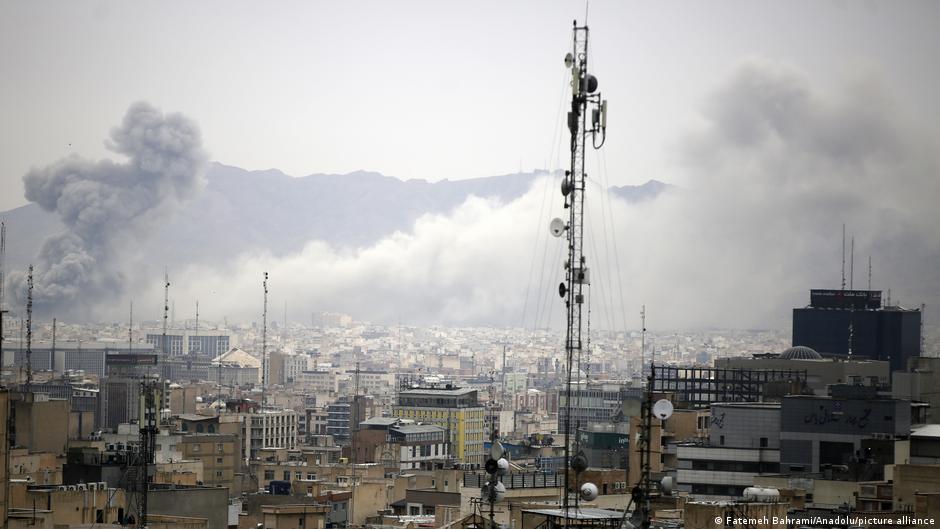
US Deploys 2,500 Marines, Warships to Middle East Amid Iran Tensions
The United States is deploying approximately 2,500 Marines and three warships to the Middle East in response to escalating tensions with Iran and ongoing attacks on shipping lanes. The deployment, led by the USS Tripoli amphibious assault ship, aims to bolster U.S. military options and deter further aggression.
Key Highlights
- 2,500 U.S. Marines and three warships are being sent to the Middle East.
- The deployment is a response to heightened tensions with Iran.
- The USS Tripoli amphibious assault ship is leading the deployment.
- The move aims to expand U.S. military options and deter aggression.
- The deployment addresses disruptions in the Strait of Hormuz.
Amidst escalating conflict and disruptions to vital shipping lanes in the Middle East, the United States has initiated a significant military deployment, sending approximately 2,500 Marines and three warships to the region. This reinforcement is a direct response to heightened tensions with Iran and the country's persistent attacks on maritime traffic, particularly in the critical Strait of Hormuz.
The deployment is being spearheaded by the USS Tripoli, an amphibious assault ship currently en route from its homeport in Sasebo, Japan. This vessel, along with its accompanying Marines, forms part of a broader U.S. military buildup in the Middle East that has been expanding since early 2026. The U.S. Central Command (CENTCOM), which oversees American military operations in the region, requested these additional forces to enhance operational flexibility and provide commanders with more options in a volatile environment. Defense Secretary Pete Hegseth has approved this request, signaling a concerted effort to bolster U.S. presence and capabilities.
Reports indicate that the deployed force includes elements of the 31st Marine Expeditionary Unit (31st MEU), a highly flexible unit typically based in Japan and trained for a wide range of missions, including amphibious assaults, evacuations, and raids. The 31st MEU is equipped to conduct complex operations, including those involving advanced aircraft like F-35 Lightning II fighter jets and Bell Boeing V-22 Osprey aircraft. Officials have emphasized that this deployment is primarily a precautionary measure and a show of force intended to deter further aggression, rather than an immediate precursor to a ground invasion of Iran.
The increased military presence is a direct consequence of Iran's actions, which have included missile and drone attacks targeting shipping in the Strait of Hormuz, a chokepoint for a significant portion of global oil trade. These disruptions have led to a surge in oil prices and a wider threat to global energy supplies. The U.S. military's decision to reinforce its presence aims to safeguard international trade routes, maintain regional stability, and provide a robust response capability should the situation further deteriorate.
This deployment is part of a larger trend of increased U.S. military activity in the Middle East. Reports suggest that the U.S. has been considering various options to protect commercial shipping, including potentially placing armed personnel on foreign-flagged commercial ships. The scale of this reinforcement is notable, with analysts suggesting it is among the largest in the region in recent years. The U.S. military has also indicated that it has conducted numerous strikes against Iranian targets in response to escalating provocations. The U.S. Central Command has stated that American forces have struck roughly 6,000 targets inside Iran since the conflict began.
The situation remains highly dynamic, with implications for global energy markets and regional security. The deployment underscores the strategic importance of the Middle East and the ongoing efforts by the United States to manage tensions and prevent a wider conflict. The presence of these additional forces is intended to provide a strong deterrent and ensure the continued free flow of commerce through the vital maritime passages of the region. The deployment also comes in the wake of other related events, including the U.S. military's confirmation of six American soldiers killed in a refueling aircraft crash in Iraq, for which an Iranian group has claimed responsibility, though the U.S. maintains it was not due to hostile fire.
The U.S. Marines and warships are expected to take over a week to reach the region due to their current locations. However, their arrival will significantly bolster the U.S. military's posture and its ability to respond to any emerging threats in the increasingly volatile Middle East. The deployment is a clear message to Iran and other regional actors about the U.S. commitment to maintaining stability and ensuring freedom of navigation in this critical part of the world. The broader context includes ongoing diplomatic efforts and potential international responses, such as the release of emergency oil reserves, being considered by allies to mitigate the impact of rising oil prices linked to the conflict.
Frequently Asked Questions
Why is the US deploying Marines and warships to the Middle East?
The U.S. is deploying approximately 2,500 Marines and three warships to the Middle East in response to escalating tensions with Iran and ongoing attacks on shipping lanes, particularly in the Strait of Hormuz. The deployment aims to bolster U.S. military options and deter further aggression in the region.
Which specific U.S. Navy ship is leading this deployment?
The amphibious assault ship USS Tripoli is leading this deployment. It is being accompanied by other warships and elements of the 31st Marine Expeditionary Unit.
What is the significance of the Strait of Hormuz in this context?
The Strait of Hormuz is a critical chokepoint for global oil trade. Iran's attacks on shipping in this area have disrupted maritime traffic, leading to increased oil prices and concerns about global energy supplies. The U.S. deployment aims to ensure freedom of navigation and maritime security in this vital waterway.