Middle East Conflict Halts Flights: Dubai, Abu Dhabi Airports Closed, Indian Carriers Hit
Escalating Middle East conflict led to widespread flight cancellations and airspace closures on March 2, 2026, severely impacting major hubs like Dubai and Abu Dhabi Airports. Indian carriers Air India and IndiGo halted numerous flights, stranding thousands of passengers, including Indian pilgrims, as tensions escalated in the region.
Key Highlights
- Middle East conflict triggers widespread airspace closures and flight cancellations.
- Dubai, Abu Dhabi, Kuwait, and Qatar airports faced closures or significant disruptions.
- Air India and IndiGo suspended numerous flights to and from the Middle East.
- Tens of thousands of passengers, including Indians, were stranded globally.
- Indian government reviewed situation and directed assistance for stranded citizens.
- Major international airlines, including Emirates and Etihad, halted operations.
On March 2, 2026, a significant escalation in the Middle East conflict, marked by reported missile strikes by Israel and the US in Iran and retaliatory airstrikes by Tehran across several Middle Eastern countries, triggered widespread disruption in global air travel. This volatile geopolitical situation led to the closure of airspaces and major airport operations across the region, including the vital hubs of Dubai International Airport (DXB), Al Maktoum International Airport (DWC), Abu Dhabi's Zayed International Airport, and Kuwait's main airport, among others.
The closure of these key aviation hubs and regional airspaces resulted in the suspension and cancellation of tens of thousands of flights over the past three days, leaving countless passengers stranded globally. Specifically, Dubai International Airport (DXB) and Abu Dhabi's Zayed International Airport experienced temporary halts in operations, with reports of an explosion near Dubai Airport and a drone attack at Abu Dhabi's airport, which tragically resulted in one fatality and several injuries. Sharjah International Airport also announced a full suspension of flights.
Major international airlines were severely affected. Emirates, the world's largest international airline, halted all operations to and from Dubai until 3 PM local time on Monday, March 2, and cautioned that disruptions were expected to continue through Thursday. Etihad Airways similarly extended its flight cancellations from Abu Dhabi until 2 PM on the same day. Qatar Airways also announced the suspension of flights to and from Doha due to the closure of Qatari airspace.
Indian carriers, Air India and IndiGo, were significantly impacted. Both airlines announced the suspension of numerous flights to and from the Middle East, citing the ongoing conflict and airspace restrictions. Air India further confirmed the cancellation of specific flights to and from Europe on March 2, including routes such as Amritsar-Birmingham, Delhi-Zurich, Delhi-Copenhagen, and Birmingham-Delhi. IndiGo extended its flight cancellations until Tuesday, March 3, affecting nearly 200 flights connecting India with destinations like Kuwait, Muscat, Doha, Abu Dhabi, Dubai, Sharjah, and Fujairah.
The broader impact extended to other international airlines, with Cathay Pacific Airways Ltd. canceling some services to the Middle East through March 5. Lufthansa and Air France KLM were also among the carriers forced to cancel or reroute flights, bypassing UAE airspace. In India, the flight disruptions were substantial, with 100 flights cancelled at Delhi's Indira Gandhi International Airport and 30 at Chennai Airport. Kerala's airports, including Cochin, Kannur, and Thiruvananthapuram, also reported the cancellation of dozens of flights to Gulf countries for the third consecutive day. Bengaluru's Kempegowda International Airport also saw numerous cancellations, affecting services to destinations like Abu Dhabi, Riyadh, Jeddah, Dammam, Dubai, and Doha.
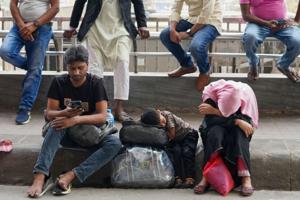
The humanitarian aspect of the crisis was evident as tens of thousands of passengers found themselves stranded. The UAE's civil aviation authority confirmed that it handled approximately 20,200 affected passengers, providing accommodation, meals, and assistance with rebooking in line with operational plans. Many Indian citizens, including Umrah pilgrims, were among those stranded in Gulf transit hubs. Reports indicated that 47 pilgrims from Hyderabad were stuck in Saudi Arabia, and over 45 tourists from Vadodara were stranded at Dubai and Abu Dhabi airports. The Indian government, through the Cabinet Committee on Security (CCS), reviewed the West Asia situation and directed measures to assist stranded Indians.
Economically, the conflict also caused a ripple effect. Shares of aviation firms and tour operators in India, such as InterGlobe Aviation (IndiGo) and SpiceJet, experienced significant declines in stock value on Monday, March 2. The Indian Association of Tour Operators (IATO) reported a noticeable increase in booking cancellations and rescheduling requests, particularly for routes connecting India with Europe via major Gulf hubs. This widespread disruption underscores the critical role of the Middle East in global aviation and the significant repercussions of geopolitical instability on international travel and trade.
Frequently Asked Questions
What caused the widespread flight disruptions in the Middle East on March 2, 2026?
The flight disruptions were primarily caused by an escalation in the Middle East conflict, specifically reported missile strikes by Israel and the US in Iran, and subsequent retaliatory airstrikes by Tehran across several Middle Eastern countries, leading to airspace closures and airport operational halts.
Which major airports and airlines were most affected by the airspace closures?
Major airports severely affected included Dubai International Airport, Al Maktoum International Airport, Abu Dhabi's Zayed International Airport, Sharjah International Airport, and Kuwait's main airport. Key airlines impacted were Emirates, Etihad Airways, Qatar Airways, Air India, IndiGo, and Cathay Pacific.
How many flights were cancelled and how many passengers were stranded due to the conflict?
Tens of thousands of passengers were stranded over three days. The UAE civil aviation authority reported assisting approximately 20,200 affected passengers. In India alone, over 350 flights by domestic carriers were cancelled, including around 100 at Delhi IGI and 30 at Chennai Airport on March 2, 2026.
What measures were taken by airlines and authorities to assist stranded passengers?
Airlines offered rebooking flexibility or refunds, while the UAE's civil aviation authority covered accommodation, meals, and refreshments for transit passengers. The Indian government also reviewed the situation and directed steps to assist stranded Indian citizens.
What was the specific impact on Indian travelers and airlines?
Indian airlines like Air India and IndiGo cancelled numerous flights to and from the Middle East and some European routes. Many Indian citizens, including Umrah pilgrims, were stranded in Gulf transit hubs. The disruption also led to a noticeable rise in booking cancellations and rescheduling requests for travel connecting India with Europe via the Gulf.