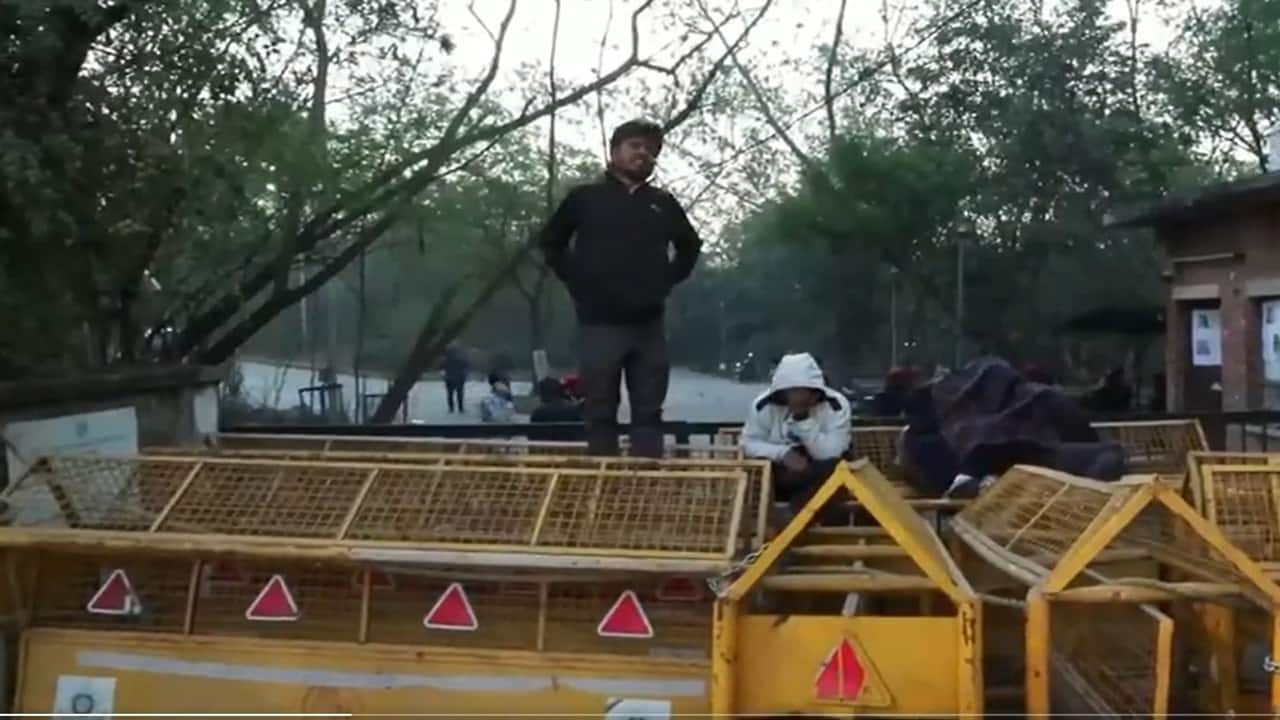
JNU protest violence: Students clash with police over UGC norms
Violence erupted during a JNU student protest march towards the Ministry of Education, leading to injuries on both sides and 14 arrests. Police accused students of assault, including biting, while students alleged excessive force. The protest concerned UGC regulations and other demands.
Key Highlights
- JNU students marched towards Ministry of Education over UGC norms.
- Clashes erupted between students and police, resulting in injuries.
- Police arrested 14 students, accusing them of assault.
- Students alleged police used excessive force during the protest.
- The university administration stated UGC norms are stayed by Supreme Court.
A protest march by Jawaharlal Nehru University (JNU) students towards the Ministry of Education on February 26, 2026, turned violent, resulting in injuries to both students and police personnel, and the subsequent arrest of 14 students. The demonstration, organized by the JNU Students' Union (JNUSU), was initially intended to voice demands including the implementation of University Grants Commission (UGC) regulations, opposition to the rustication of student leaders, and support for the proposed Rohith Act.
According to police reports, approximately 400-500 students gathered for the "Long March." The protest escalated when students attempted to move beyond the campus gates, leading to a confrontation with police who had set up barricades. Police alleged that protesters damaged barricades, threw objects such as banners, sticks, and shoes, and physically assaulted officers, with some officers claiming they were bitten. Approximately 25 police personnel, including senior officers, sustained injuries. Following these events, an FIR was registered at the Vasant Kunj North police station under various sections of the Bharatiya Nyaya Sanhita related to obstruction, assault, and causing hurt.
The JNUSU presented a different account, accusing the police of using excessive force and detaining over 50 students, some of whom were allegedly taken to undisclosed locations without medical attention. The union also claimed that a portrait of B.R. Ambedkar was damaged during the police action. Later that day, JNUSU organized another march to the Vasant Kunj Police Station and called for a "complete lockdown" of the campus to protest the detentions and demand the resignation of the Vice-Chancellor, increased funding for public universities, and the implementation of equity-related regulations.
The JNU administration clarified that the UGC regulations, which students were demanding, are currently under a Supreme Court stay and cannot be implemented by the university. The administration also accused the protesting students of vandalism and attempting to divert attention from earlier incidents of campus violence. The university also stated that the students were rusticated following a proctorial inquiry for alleged vandalism and violence within the campus.
Reports from various news outlets, including India Today, NDTV, and The Times of India, corroborate the occurrence of clashes, injuries to both police and students, and the subsequent arrests. The timeline of events indicates that the protest began on Thursday, February 26, 2026, with arrests being made on Thursday night and Friday morning. The 14 arrested students, including prominent JNUSU leaders such as president Aditi Mishra, vice-president Gopika Babu, former president Nitish Kumar, and joint secretary Danish Ali, were reportedly granted bail by a Delhi court the following morning.
The underlying issues fueling the protests included the VC's alleged casteist remarks made in a podcast, where she reportedly dismissed UGC regulations and discussed "permanent victimhood" among Dalits and Black individuals. This, coupled with the rustication of student leaders for alleged vandalism and the demand for the Rohith Act, formed the core of the students' grievances. The UGC Equity Regulations themselves had faced controversy, with a Supreme Court stay in place, making their implementation by the university impossible according to the administration. The JNU Teachers' Association condemned the police action, alleging excessive force against students and expressing concern over the safety of those detained.
Frequently Asked Questions
What were the main demands of the JNU students during the protest?
The JNU students were protesting for the implementation of University Grants Commission (UGC) regulations, demanding the resignation of the Vice-Chancellor, and seeking support for the proposed Rohith Act. They also opposed the rustication of student leaders.
What were the UGC regulations that students were demanding?
The UGC Equity Regulations aimed to address caste-based discrimination and student suicides by mandating anti-discrimination cells and penalties for violations. However, these regulations were under a Supreme Court stay, meaning the university administration could not implement them.
What led to the violence during the protest?
According to police, the protest turned violent when students attempted to march beyond campus gates, damaged barricades, and allegedly assaulted police personnel. Students, however, accused the police of using excessive force.
How many students were arrested and what was the outcome?
Fourteen JNU students, including prominent union leaders, were arrested. They were reportedly granted bail by a Delhi court the following morning.
What was the JNU administration's response to the protest?
The JNU administration stated that the UGC regulations could not be implemented due to a Supreme Court stay. They also accused the protesting students of vandalism and attempting to divert attention from earlier campus incidents.