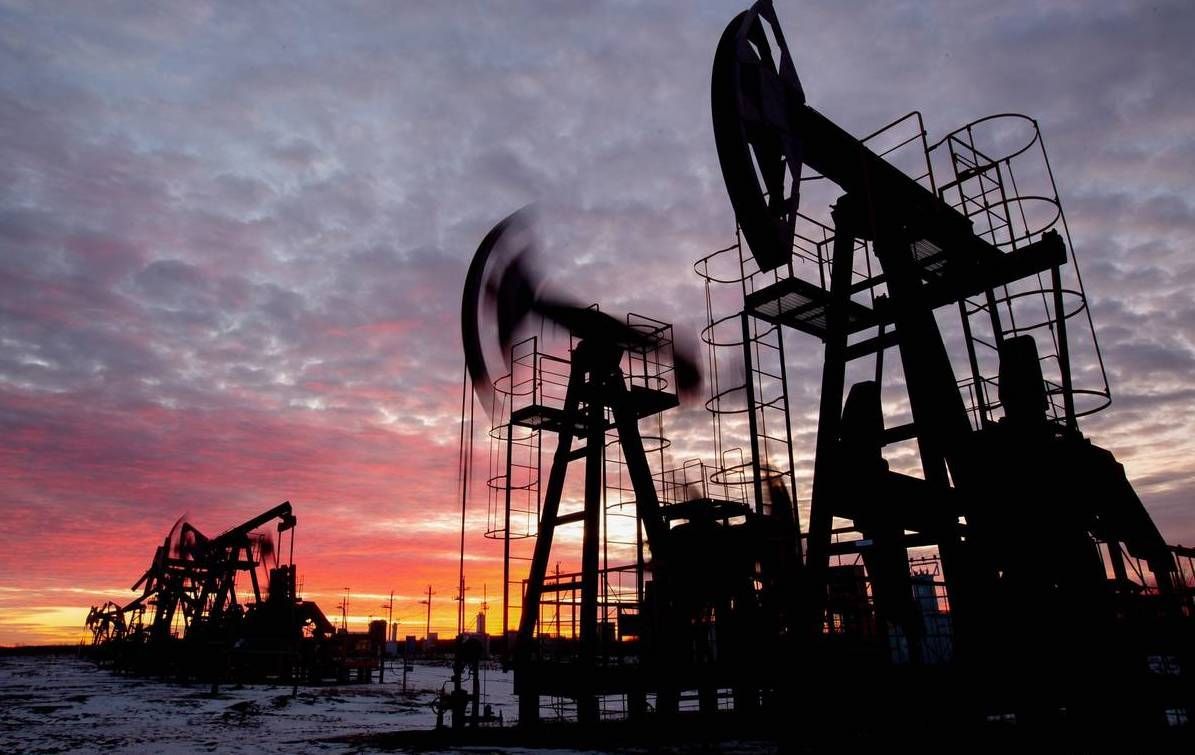
Middle East War Escalation Fuels Global Oil Price Surge, Strait of Hormuz Crisis
Oil prices are soaring globally as the escalating Middle East conflict involving the US, Israel, and Iran sparks critical supply fears, particularly due to severe disruptions in the vital Strait of Hormuz. This geopolitical instability threatens global energy supply chains and significantly impacts energy-importing nations like India.
Key Highlights
- Oil prices surged over 4% as Middle East conflict escalates.
- Strait of Hormuz disruption halts tanker traffic, raising supply fears.
- Analysts warn of potentially largest oil supply disruption in history.
- India, a major importer, faces significant economic vulnerability.
- Shipping costs and insurance premiums in Gulf have sharply increased.
- LNG markets also impacted by attacks and transit risks.
The global energy market is experiencing significant volatility and price increases as the Middle East conflict involving the United States, Israel, and Iran escalates, intensifying fears of severe supply disruptions, particularly from the critical Strait of Hormuz. Oil prices have soared, with Brent crude futures advancing over 4% in Asian trade and climbing to levels not seen since July 2024 or January 2025 in recent days. West Texas Intermediate (WTI) crude futures have also registered substantial gains, rising over 4%. This sharp upward movement in crude benchmarks is a direct consequence of the widening conflict, which began with coordinated U.S. and Israeli strikes on Iran and has been met with retaliatory missile and drone attacks across the region.
A central concern driving these market movements is the Strait of Hormuz, a narrow waterway connecting the Persian Gulf with the Gulf of Oman and the Arabian Sea. Approximately one-fifth of the world's total petroleum liquids consumption, or about 20 million barrels per day, typically transits through this chokepoint. The conflict has led to the "effective closure" or severe disruption of shipping through the Strait, with Iranian officials reportedly declaring "complete control" and issuing warnings to vessels. Reports indicate that tanker traffic has come to a near standstill, with numerous vessels either delaying movement or dropping anchor in open waters to avoid the high-risk zone. This disruption has already forced regional producers, such as Iraq, to declare force majeure on some crude exports due to an inability to ship oil.
The ripple effects of this escalation are profound and global. Analysts from S&P Global Energy and MST Financial have warned that the U.S.-Iran conflict could lead to the largest oil supply disruption in history, potentially dwarfing past crises like the 1973 Arab oil embargo. Goldman Sachs, among other institutions, has raised its oil price forecasts, with estimates suggesting that a full closure of the Strait of Hormuz for a month could add a significant risk premium of $15-18 per barrel to crude prices. Some predictions even suggest Brent crude could soar above $100 or even $140 per barrel in a worst-case, prolonged disruption scenario.
For energy-importing nations, particularly in Asia, the situation is critical. Countries like India, China, Japan, and South Korea are highly dependent on oil and liquefied natural gas (LNG) shipments transiting the Strait of Hormuz. India, importing nearly 85% of its crude oil requirements, faces heightened vulnerability to price shocks. Approximately 40-50% of India's crude oil and 50-60% of its LNG shipments are routed through this strait. A 10% rise in crude prices could increase India's inflation by about 30 basis points and lower GDP growth by around 15 basis points, assuming a full pass-through of costs. The Indian rupee has already shown depreciation against the US dollar, further amplifying inflationary pressures.
Beyond crude oil, the LNG market is also facing severe risks. Approximately 19-22% of global LNG supply, largely from Qatar and the UAE, passes through the Strait of Hormuz. QatarEnergy has reportedly halted activity at the world's largest LNG export facility after an Iranian drone attack, leading to concerns about significant shortages for Asian buyers like Pakistan and Bangladesh. Unlike oil, there is no comparable strategic reserve system for natural gas to stabilize supply in an emergency.
The broader economic consequences extend to soaring shipping costs and war risk insurance premiums for vessels operating in the Gulf, with some insurers reportedly withdrawing coverage entirely. This makes transit through the region riskier and more expensive, impacting global logistics and potentially leading to supply chain volatility and higher inflation worldwide. While some pipeline alternatives exist to bypass the Strait of Hormuz for a fraction of the oil (e.g., Saudi Aramco's East-West Pipeline), their capacity is limited and insufficient to fully offset a major disruption. Moreover, such alternative routes could still be vulnerable to attacks.
The conflict has also raised environmental concerns, with fears of oil spills in the Persian Gulf due to attacks on tankers. China, a major importer of energy from the region, has urged all parties to cease military operations and prevent further escalation, highlighting the global economic damage such turmoil could inflict. India, while vulnerable, has taken steps to diversify its oil imports (from Russia, Africa, and the US) and build strategic petroleum reserves to cushion against such shocks. However, the sheer scale of the potential disruption means that prolonged instability would undeniably impact its economy.
The current market response is being closely watched, with analysts noting that while a geopolitical risk premium has been priced in, the full extent of actual supply disruption remains a critical variable. The duration and intensity of the conflict will determine whether this remains a significant market shock or evolves into a more prolonged and economically damaging global energy crisis. U.S. inventory data showing a build in crude stockpiles somewhat contrasted the immediate supply fears, but the overarching concern remains the Middle East conflict.
Frequently Asked Questions
Why are global oil prices rising amidst the Middle East conflict?
Oil prices are surging due to the escalating conflict between the US, Israel, and Iran, which has sparked fears of major supply disruptions from the Middle East. The primary concern is the effective closure or severe disruption of the Strait of Hormuz, a critical chokepoint for global oil and gas shipments.
What is the significance of the Strait of Hormuz for global energy supply?
The Strait of Hormuz is a vital maritime chokepoint through which approximately one-fifth of global oil consumption (around 20 million barrels per day) and a significant portion of liquefied natural gas (LNG) shipments pass. Any prolonged disruption in this narrow waterway can lead to severe shortages, increased shipping costs, and a sharp rise in global energy prices.
How does the Middle East conflict impact India's economy?
India is highly vulnerable to the escalating conflict, as it imports nearly 85% of its crude oil, with 40-50% of its crude and 50-60% of its LNG shipments typically routed through the Strait of Hormuz. Higher oil prices can increase inflation, widen the current account deficit, weaken the Indian rupee, and negatively impact GDP growth, affecting various industries such as chemicals, aviation, and fertilizers.
What are the potential long-term consequences if the Strait of Hormuz remains disrupted?
A prolonged disruption in the Strait of Hormuz could trigger the largest oil supply crisis in history, pushing Brent crude prices well above $100 per barrel, potentially even to $140. This would lead to sustained global inflation, necessitate central banks to tighten monetary policies, slow global economic growth, and cause significant volatility across commodity and financial markets.
Has India taken measures to mitigate the risks from Middle East energy supply disruptions?
Yes, India has actively diversified its crude oil import sources, increasing purchases from countries like Russia, Africa, and the United States, to reduce its reliance on any single region, including the Middle East. The country has also established strategic petroleum reserves to provide an additional buffer against unexpected supply interruptions.