PM Modi Urges Austerity Amid West Asia Conflict Economic Fallout
Prime Minister Narendra Modi has urged Indians to adopt austerity measures, including working from home, limiting foreign travel, and avoiding gold purchases for a year. These appeals stem from the economic fallout of the ongoing conflict in West Asia, which has led to soaring crude oil prices and significant pressure on India's foreign exchange reserves. The government seeks public cooperation to mitigate the global energy crisis's impact on the national economy.
Key Highlights
- PM Modi urged Indians to revive work-from-home practices.
- Indians are asked to limit non-essential foreign travel for a year.
- PM appealed to citizens to avoid buying gold for one year.
- Appeals are due to economic impact of West Asia conflict and high oil prices.
- Measures aim to conserve foreign exchange and strengthen the rupee.
- Opposition criticizes Modi's appeals as an admission of economic failure.
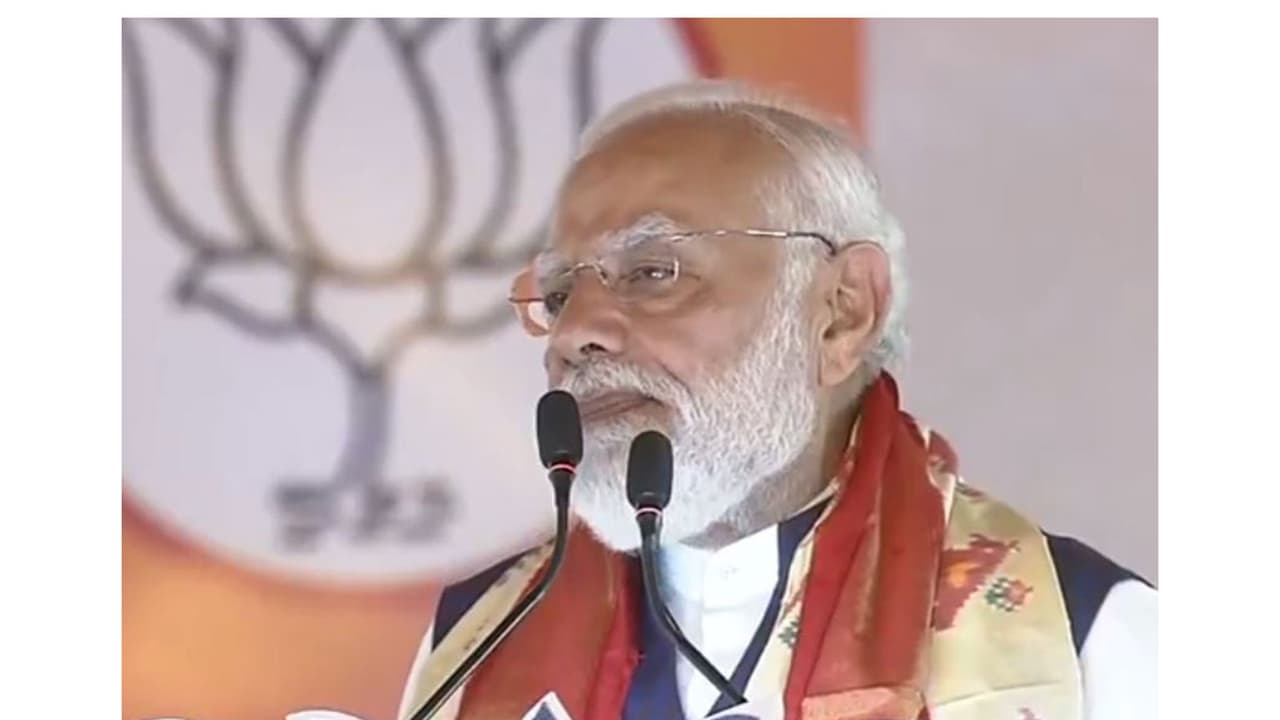
Prime Minister Narendra Modi recently addressed the nation, urging citizens to adopt a series of austerity measures aimed at mitigating the severe economic repercussions stemming from the ongoing conflict in West Asia, often referred to as the US-Iran war. On Sunday, May 10, 2026, during a public address in Hyderabad, PM Modi called upon Indians to revive work-from-home practices, postpone non-essential foreign travel, and avoid purchasing gold for at least a year. These directives are a direct response to the global energy crisis, characterized by surging crude oil prices and the subsequent pressure on India's foreign exchange reserves and the weakening of the Indian Rupee.
The conflict in West Asia, which reportedly began with US-Israeli airstrikes on Iran on February 28, 2026, has significantly disrupted global oil supplies, particularly through the crucial Strait of Hormuz. This disruption has pushed global crude oil prices significantly, with reports indicating prices soaring from around $70 to over $105–$126 per barrel. As India imports over 85% to 88% of its crude oil requirements, the nation is acutely vulnerable to such international price shocks. The government's appeals are therefore primarily aimed at conserving foreign exchange (forex) reserves, which are crucial for maintaining economic stability.
One of the key appeals is to revive the 'work-from-home' (WFH) culture, reminiscent of the COVID-19 pandemic era. This measure is intended to reduce daily fuel consumption by decreasing office commuting, cutting aviation demand, and alleviating road traffic congestion. PM Modi emphasized the need to resume methods like virtual meetings and video conferencing to save fuel and foreign exchange. He also advocated for increased use of public transport, carpooling, electric vehicles, and shifting freight transportation to railways to further reduce dependence on fuel-intensive road transport.
Another significant appeal is to curtail non-essential foreign travel and postpone destination weddings for a year. The Prime Minister highlighted that the growing trend of overseas vacations and destination weddings among the middle class contributes to a significant outflow of foreign currency. By reducing such discretionary spending abroad, India can conserve its precious foreign exchange reserves, which are under immense pressure due to the high import bill of crude oil.
Furthermore, PM Modi urged citizens to avoid buying gold for a year, even for weddings and festive occasions. Gold is deeply ingrained in Indian culture, serving as a form of savings, investment, and a crucial component of weddings and festivals. However, India is one of the world's largest importers of gold, and these imports are paid for in foreign currency, placing additional strain on the country's forex reserves, especially during a global crisis. The appeal, while unusual given the cultural significance of gold, underscores the severity of the economic challenges facing the nation.
The Prime Minister also extended his appeals to include reducing the consumption of edible oils and minimizing the use of chemical fertilizers, advocating for a shift towards natural farming and promoting 'Swadeshi' (indigenous) products. He framed these responsible lifestyle choices as a form of patriotism, emphasizing collective public participation in safeguarding national economic interests.
While the government positions these measures as essential for national economic defense, opposition leaders, including Rahul Gandhi, have criticized Modi's appeals as an admission of the government's economic failures and an attempt to shift responsibility onto citizens. They argue that the crisis management response highlights underlying economic vulnerabilities. Nevertheless, multiple credible news outlets have corroborated the Prime Minister's appeals and their underlying economic rationale, indicating the seriousness with which India is addressing the global energy shock and its implications.
Frequently Asked Questions
Why has PM Modi urged Indians to work from home and limit foreign travel?
PM Modi has urged these measures to help India's economy cope with the global energy crisis caused by the ongoing West Asia conflict (US-Iran war). The aim is to reduce fuel consumption and conserve India's foreign exchange reserves, which are under pressure due to soaring crude oil import costs.
What is the reason behind PM Modi's appeal to avoid buying gold?
India is a major importer of gold, and these imports require significant foreign currency. By urging citizens to avoid non-essential gold purchases for a year, including for weddings, PM Modi aims to reduce the outflow of foreign exchange and protect India's reserves during this economic crisis.
What is the 'Iran war' or 'West Asia conflict' referred to in the news?
The 'Iran war' or 'West Asia conflict' refers to a conflict that reportedly began on February 28, 2026, with US-Israeli airstrikes on Iran, leading to heightened tensions and disruptions in global oil supplies, particularly through the Strait of Hormuz.
How do these measures impact the average Indian citizen?
These appeals ask citizens to make personal sacrifices by altering lifestyle choices such as working from home, reconsidering foreign travel plans, and postponing gold purchases. These actions are intended to collectively contribute to national economic stability by conserving fuel and foreign exchange.
What is the opposition's reaction to PM Modi's appeals?
Opposition leaders, particularly from the Indian National Congress, have criticized PM Modi's appeals, calling them an admission of the government's economic failures and an attempt to shift the burden of economic challenges onto the citizens.