Trump: US-Iran Peace Deal 'Largely Negotiated' Amid Hormuz Strait Dispute
US President Donald Trump announced that a peace deal to end the conflict with Iran is "largely negotiated" and will be revealed "shortly". This comes amidst an ongoing ceasefire following a war that began in February 2026, with a major point of contention being Iran's disputed control over the Strait of Hormuz.
Key Highlights
- President Trump announced a US-Iran peace deal is 'largely negotiated'.
- Announcement expected 'shortly' via social media, stirring global anticipation.
- Reopening of vital Strait of Hormuz is a key deal element.
- Iran disputes US claims on Hormuz control; talks mediated by Pakistan.
- Ceasefire holding since April 2026 amidst February 2026 conflict.
- US Secretary of State Marco Rubio hinted at announcement from New Delhi.
US President Donald Trump has announced that a peace deal aimed at resolving the ongoing conflict with Iran has been "largely negotiated" and is expected to be announced "shortly." This significant development comes amidst heightened tensions and a fragile ceasefire in what has been described as a 'US-Iran War' that commenced in February 2026. The announcement was made by Trump via his social media platform, Truth Social, indicating that the final aspects and details are currently being discussed.
The core of the proposed agreement, according to President Trump, includes the reopening of the crucial Strait of Hormuz. This vital shipping passage has been effectively closed since February 28, 2026, causing substantial disruption to global energy markets. However, Iranian news agency Fars has quickly disputed Trump's claim, asserting that the Strait of Hormuz would remain under Iranian control as per the latest versions of the proposals exchanged between the two nations. This immediate contradiction highlights a key point of contention and potential fragility in the reported deal.
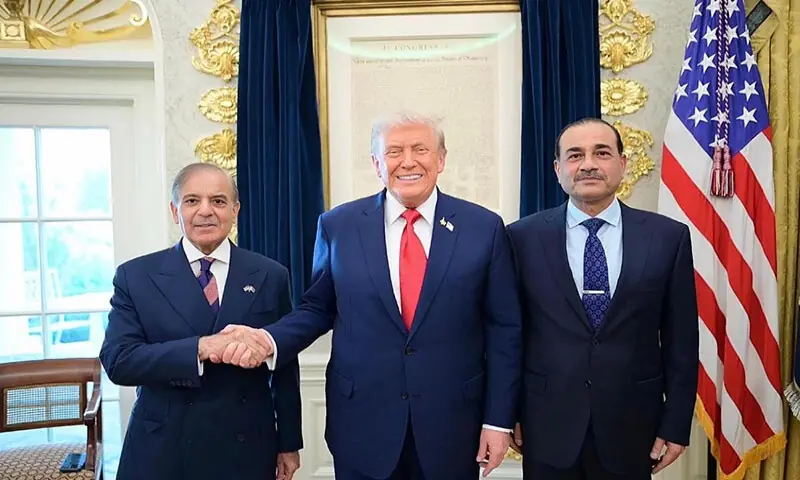
The broader conflict, which saw the United States and Israel launch a major attack on Iran in February 2026, has been characterized by diplomatic pressure and military conflict, leading to the reported death of Supreme Leader Ayatollah Ali Khamenei. A ceasefire has been in place since April 8, 2026, with negotiations ongoing to secure a more lasting peace. Pakistan has played a significant mediating role in these intricate talks between Washington and Tehran, with its military chief actively involved in efforts to seal the deal.
Further details emerging from the negotiations suggest the agreement encompasses a 60-day ceasefire extension during which the Strait of Hormuz would be reopened, allowing Iran to freely sell oil. Crucially, discussions would also continue on curbing Iran's nuclear program. Despite the optimism surrounding the potential announcement, President Trump has also conveyed a cautious stance, stating that his representatives have been instructed "not to rush into a deal, in that time is on our side." He added that the blockade on the Strait of Hormuz would remain in full force until an agreement is certified and signed.
The international community is closely monitoring these developments. US Secretary of State Marco Rubio, speaking from New Delhi, suggested that there was a possibility of "some good news" regarding a deal with Iran being announced later today (May 24, 2026), underscoring the global implications and India's relevance in the diplomatic landscape. This statement indicates the high-level engagement and widespread interest in de-escalating the crisis, especially given the impact on international oil supplies and economic stability.
The situation remains dynamic, with reports also indicating Israel's involvement and concerns about threats in Lebanon, which it would remain free to act against, during a phone call between Trump and Israeli Prime Minister Benjamin Netanyahu. The conflicting statements regarding the Strait of Hormuz, coupled with Trump's cautious approach to finalizing the deal, suggest that while significant progress has been made, the path to a comprehensive and lasting peace agreement is still fraught with challenges. The NDTV article provides real-time coverage of these critical international developments.
Frequently Asked Questions
What is the primary claim made by President Trump regarding the US-Iran situation?
President Trump has claimed that a peace deal to end the conflict with Iran has been 'largely negotiated' and will be announced 'shortly' via his social media.
What is the status of the Strait of Hormuz in relation to this peace deal?
Trump states the deal includes reopening the Strait of Hormuz, which has been closed since February 28, 2026. However, Iran's Fars news agency disputes this, asserting the Strait will remain under Iranian control.
When did the 'US-Iran War' mentioned in the article begin?
The 'US-Iran War' or significant conflict reportedly began in February 2026, with a ceasefire holding since April 8, 2026, leading to the current peace negotiations.
Which country is mediating the peace talks between the US and Iran?
Pakistan has taken on a significant mediating role in the peace talks between the United States and Iran.
What are the broader implications of this potential peace deal?
A peace deal would have critical global implications, particularly for international security, geopolitics, and energy markets due to the importance of the Strait of Hormuz.