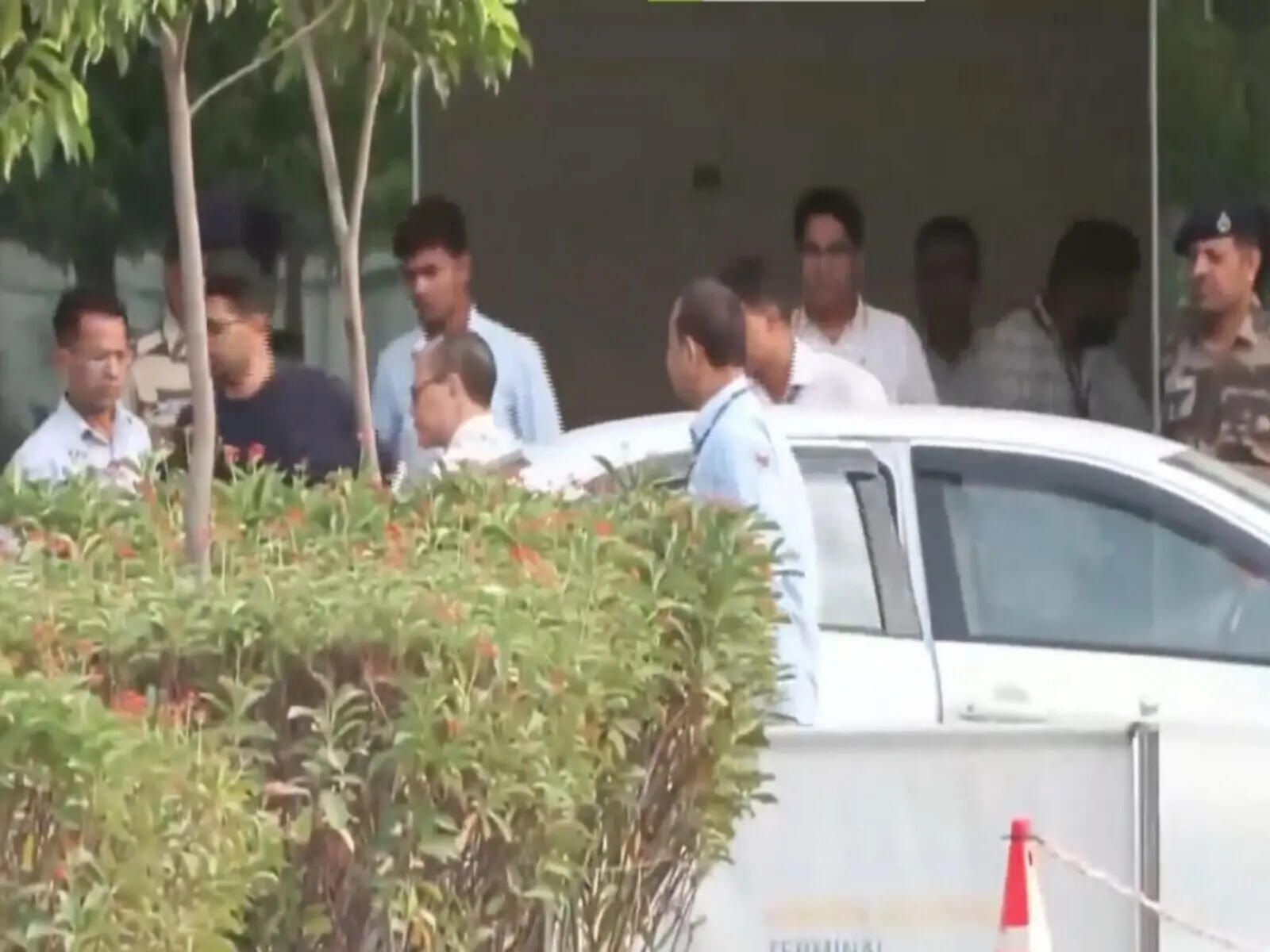
Twisha Sharma cremated after 2nd autopsy amid dowry death probe
Twisha Sharma was cremated in Bhopal 12 days after her death, following a second autopsy ordered by the Madhya Pradesh High Court. The case involves allegations of dowry harassment, and the Supreme Court has taken suo motu cognizance. Her husband, Samarth Singh, has been arrested and remanded to police custody.
Key Highlights
- Twisha Sharma cremated in Bhopal after 12 days.
- Second autopsy conducted by AIIMS Delhi doctors.
- Supreme Court takes suo motu cognizance of the case.
- Husband Samarth Singh arrested and in police custody.
- Allegations of dowry harassment and procedural lapses.
- Family demanded justice and a fair investigation.
The cremation of Twisha Sharma, a former model and actor, took place in Bhopal 12 days after her death, following a second post-mortem examination conducted by a team of doctors from AIIMS Delhi. The Madhya Pradesh High Court had ordered the fresh examination after Twisha's family raised concerns about the initial post-mortem findings and alleged procedural lapses in the investigation. Twisha was found dead at her matrimonial home in Bhopal on May 12, with her family accusing her husband, Samarth Singh, and her mother-in-law, Giribala Singh (a retired district judge), of dowry harassment and abetment to suicide.
The case gained significant national attention, leading the Supreme Court of India to take suo motu cognizance of the matter. The Supreme Court registered a case titled "In Re: Alleged Institutional Bias and Procedural Discrepancies in the Unnatural Death of Young Woman at Matrimonial Home" and scheduled a hearing. This intervention by the apex court was a result of media reports and other circumstances that suggested potential institutional bias and compromises in the investigation, particularly due to the family connections of the accused to the judiciary.
Twisha's husband, Samarth Singh, a lawyer, had been absconding since the FIR was registered. He later surrendered before a court in Jabalpur and was subsequently remanded to seven days of police custody. The Madhya Pradesh Police also approached the High Court seeking cancellation of the anticipatory bail granted to Giribala Singh.
The family's persistent demand for a second post-mortem stemmed from their concerns about the initial examination and the circumstances of Twisha's death, which they alleged involved multiple injuries not adequately explained. The second autopsy, conducted meticulously by the AIIMS Delhi team, aimed to preserve evidence and investigate these physical injuries. The AIIMS forensic team also visited the crime scene to correlate their findings.
Several news outlets, including The Hindu, NDTV, The Times of India, and Bar and Bench, have extensively covered the developments. The articles highlight the emotional toll on Twisha's family, their struggle to secure justice, and the legal and political sensitivity surrounding the case due to the involvement of influential individuals. The Madhya Pradesh government also proposed a CBI probe into the matter.
The cremation ceremony itself was an emotional event, with Twisha's family members expressing their grief and their continued hope for justice. The family had to endure a significant delay in performing the last rites, which is against traditional Hindu customs, due to the legal and medical procedures. The forensic report from the second autopsy is expected to shed further light on the cause of death, with Dr. Sudhir Gupta of AIIMS Delhi stating that the compilation of the report would take time due to necessary laboratory tests. The ongoing investigation aims to bring clarity to the circumstances of Twisha Sharma's death and ensure accountability.
Frequently Asked Questions
What is the Twisha Sharma case about?
The Twisha Sharma case involves the alleged dowry harassment and suspicious death of a 33-year-old woman in Bhopal. Her family accuses her husband and mother-in-law of dowry harassment and abetment to suicide.
Why was a second autopsy performed on Twisha Sharma?
A second autopsy was ordered by the Madhya Pradesh High Court after Twisha Sharma's family raised concerns about the initial post-mortem findings and alleged procedural lapses in the investigation, seeking a more thorough examination of the cause of death.
What is the status of the legal proceedings?
The Supreme Court of India has taken suo motu cognizance of the case due to alleged institutional bias and procedural discrepancies. Twisha's husband, Samarth Singh, has been arrested and remanded to police custody, while her mother-in-law, Giribala Singh, is facing challenges to her anticipatory bail.
When was Twisha Sharma cremated?
Twisha Sharma's last rites were performed on Sunday, May 24, 2026, 12 days after her death, following the completion of a second autopsy and other legal formalities.
What is the significance of the Supreme Court's intervention?
The Supreme Court's suo motu cognizance highlights the national concern over the case, particularly regarding allegations of institutional bias and potential influence due to the judicial background of the accused family. It aims to ensure a fair and independent investigation.